Zanzibar: Spice Island Shores
Swahili history in Stone Town and soft white beaches on the coast make Zanzibar a richly textured island escape.
Zanzibar, Tanzania · 8 min read · IGANAVI Editorial Team
Published June 3, 2026 · Updated November 16, 2026
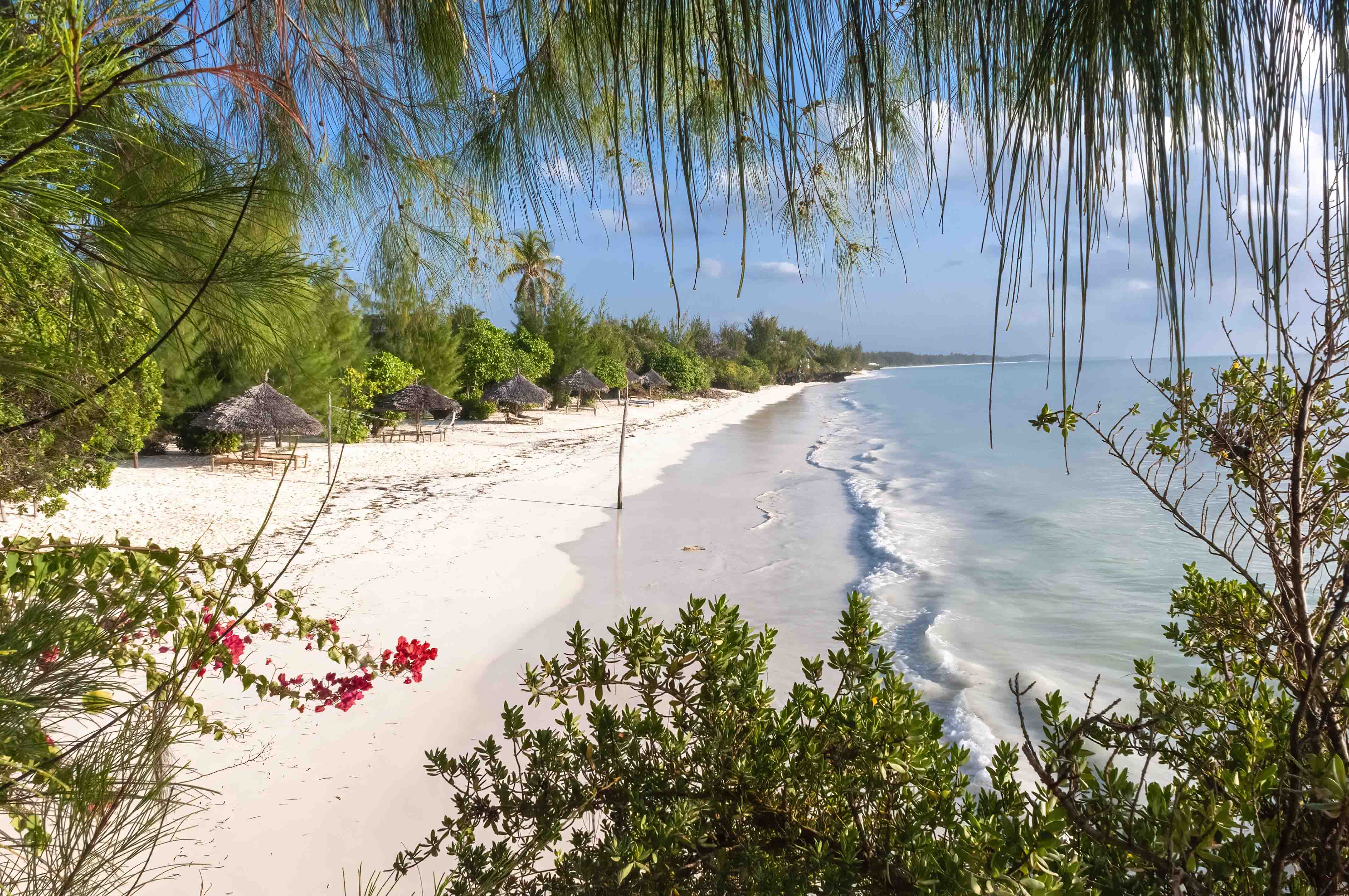
Zanzibar is not simply a beach at the end of a safari. On Unguja, the archipelago's main island, the distances between a crowded market, a clove tree and a lagoon can be surprisingly short. The connections between them run much deeper. Indian Ocean trade, African coastal culture and the seasonal monsoon winds have shaped the food, architecture and daily routines you encounter here.
Give the island more than one setting. Stone Town rewards unhurried mornings, while the coast makes room for afternoons with very little planned. A forest visit or a walk through a spice farm adds another layer without turning every day into an excursion.
Understanding the island
Zanzibar is part of Tanzania, with its own local administration. The archipelago includes Unguja, Pemba and smaller islands; most first visits focus on Unguja. Stone Town occupies the historic heart of Zanzibar City on the west coast. The airport is outside the city, and passenger ferries from Dar es Salaam arrive at the city waterfront.
A map can make transfers look quicker than they feel. Village traffic, road conditions and the location of your accommodation all matter. Rather than commuting across the island daily, divide your stay between Stone Town and one coastal base. Choose that beach for how you want to spend your days, not only for the colour of the water in photographs.
Stone Town, beyond the postcard doors
Stone Town is a UNESCO World Heritage Site, recognised for its distinctive Swahili coastal urban heritage and the cultural exchanges visible in its buildings. Coral stone walls, shaded passages and carved wooden doors are part of a living neighbourhood, not an open-air museum. People are carrying shopping home, heading to prayer and moving goods through lanes too narrow for cars.
Begin early, when the heat is softer. Walk without insisting on a perfectly straight route, but use a map when you need one. A local guide can explain architectural details and the island's complicated trading history, including slavery, with more context than a quick circuit of famous doorways provides. The former slave market site deserves a thoughtful visit rather than a hurried photo stop.

Markets and the waterfront
Around Darajani market, food shopping provides a different view of town from the seafront. Ask before photographing vendors or their stalls, and step aside when porters need room. A little patience makes these encounters more comfortable for everyone.
Later, the waterfront draws walkers towards Forodhani Gardens. Evening stalls sell grilled food and Zanzibar pizza, a filled, folded street snack rather than an Italian pizza. Look for food cooked thoroughly to order, establish the cost before ordering and choose drinking water from a reliable source. The sea breeze makes lingering tempting. Theres usually no reason to rush back indoors once the strongest heat has passed.
Choosing a beach that suits the tide
The northern and eastern coasts offer different daily rhythms. All beaches experience tides, but the shape of the shore and lagoon determines how strongly you notice them. Ask accommodation providers about swimming directly outside their property, especially if swimming whenever you please is central to your trip.
Nungwi and Kendwa
Nungwi and Kendwa, in the north, are popular with visitors who want swimming opportunities through more of the tidal cycle. They are generally less affected by the extensive low-tide retreat seen along much of the east coast. That does not make every stretch safe in every condition: currents, boats and local weather still deserve attention.
Nungwi combines a working coastal settlement with a substantial tourism scene. Traditional boatbuilding remains part of its maritime identity, although access to workshops should be arranged respectfully rather than assumed. Kendwa is known for broad sand and west-facing sunsets. Both areas can be lively, so check how close a room is to evening music if quiet nights matter.
Paje and Jambiani
On the east coast, Paje and Jambiani face a broad, shallow lagoon. At low tide the water may withdraw a considerable distance, exposing sand and areas used for seaweed farming. This is not a defect in the beach. It is the defining rhythm of the coast, and planning around it makes a stay much more satisfying.
Paje has a well-established kitesurfing scene, with conditions varying by wind season and tide. Take lessons through a responsible school and keep swimming areas separate from launching kites. Jambiani offers a long coastal village setting, though the atmosphere changes from one section to another. Avoid walking through cultivated seaweed plots, and ask before photographing the people tending them.
Spice gardens and Jozani forest
A spice farm visit turns familiar kitchen ingredients into living plants. Cloves are flower buds; pepper grows on climbing vines; nutmeg comes from a fruit with more than one useful part. Guided walks may also introduce cinnamon, vanilla and tropical fruit, depending on the farm and season. Choose a visit that explains cultivation rather than focusing entirely on a souvenir stall.
Morning is often more comfortable for walking. Establish what the visit includes, whether transport is provided and whether any extra purchases or tips are optional. Buying spices is a personal choice, not an obligation created by accepting a tasting.
Jozani Chwaka Bay National Park protects forest and mangrove habitats and is known for the Zanzibar red colobus, an endemic monkey. Follow the guide's instructions, keep your distance and never feed wildlife. Sightings are not a reason to crowd an animal or block its path. Forest paths and mangrove boardwalks reveal quite different environments, so allow time for both when available.
Seasons, rain and the sea
The relatively dry months from roughly June to October are popular for combining town and coast. Another commonly drier period falls around January and February, with December often transitional. The long rains usually arrive between March and May, while shorter rains are commonly associated with November and can extend beyond it. These are patterns, not guarantees.
Monsoon winds affect sea conditions as well as rainfall. A bright morning does not promise a comfortable boat journey, and a rainy forecast does not necessarily mean continuous rain all day. For snorkeling or a dhow outing, use an operator that checks marine conditions and carries suitable safety equipment. Be willing to change the plan.
Arriving and moving around
Scheduled passenger ferries connect Dar es Salaam with Zanzibar. Check the operator's current timetable, departure terminal, luggage rules and identification requirements before travelling. Buy through an official sales channel, allow time for check-in and keep essential documents accessible. Seas can be uncomfortable even on an operating service, so consider motion sickness precautions if needed.
Flights arrive from mainland Tanzania and selected international gateways. Entry conditions depend on your nationality and route. Before departure, check official Tanzanian immigration guidance, health requirements and Zanzibar's current mandatory inbound travel insurance rules, including any exemptions. Do not assume that a general travel policy automatically satisfies a separate local requirement.
Taxis and arranged transfers are practical with luggage. Confirm the destination and total fare before leaving. Local dala-dala minibuses are part of everyday transport but can be crowded and are less straightforward with large bags. Distances are not enormous, yet a packed itinerary can still spend too much time on the road.
Practical tips for spice and sand days
- Dress modestly in Stone Town and villages, covering shoulders and knees; keep swimwear for the beach or pool.
- Check a local tide table before arranging east coast swimming, a lagoon walk or watersports.
- Carry small denominations of Tanzanian shillings for everyday purchases, and clarify the currency whenever a price is quoted.
- Ask permission before photographing people, especially in markets and residential streets.
- Take shoes suitable for slippery forest paths, but avoid stepping on coral or marine life even when wearing water shoes.
- During Ramadan, be particularly considerate about eating, drinking and dress in public away from visitor-oriented venues.
Keep a little flexibility in the middle of the day. Heat can make even a short walk feel longer, and a shaded lunch is sometimes the better choice than another transfer. A small bag with water, sun protection and a light covering make town-to-coast days easier.
Questions before you go
Is Stone Town worth an overnight stay?
Yes, if you enjoy history, food and walking. Staying overnight lets you experience the early morning and evening without fitting everything around a beach transfer. Two nights can provide a useful introduction, though there is no required length of stay.
Which coast is better for swimming?
The north, particularly parts of Nungwi and Kendwa, generally offers easier swimming across more of the day. On the east coast, high tide often determines swimming opportunities. Check the exact beach rather than relying on a broad regional description.
Can I visit a spice farm and Jozani in one day?
It is possible with organised transport, but the route depends on your starting point and chosen farm. Leave enough time to walk rather than treating both as quick stops. A separate morning for each can feel much less hurried.
Should I choose the ferry or a flight?
Consider your starting location, luggage, sea tolerance and onward plans. Compare complete journeys, including transfers and check-in, rather than just time in transit. Use official operators for current schedules and let weather, not a fixed sightseeing list, have the final say.
Related guides
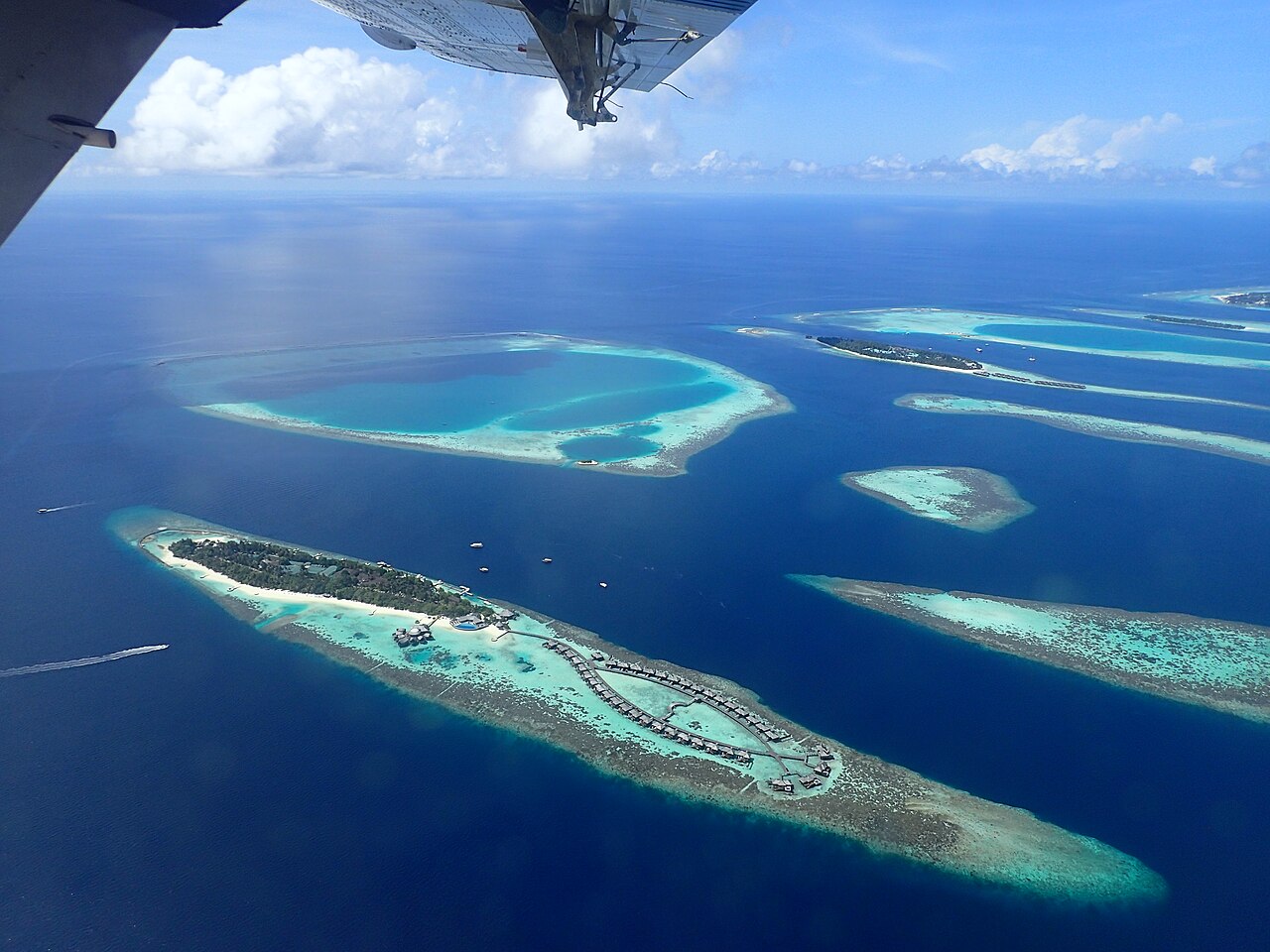
Maldives, Indian Ocean
The Maldives: Learning to Read the Atolls
A nation of coral rings scattered across the Indian Ocean, where choosing an atoll matters as much as choosing an island.
Tropical Islands · 8 min read
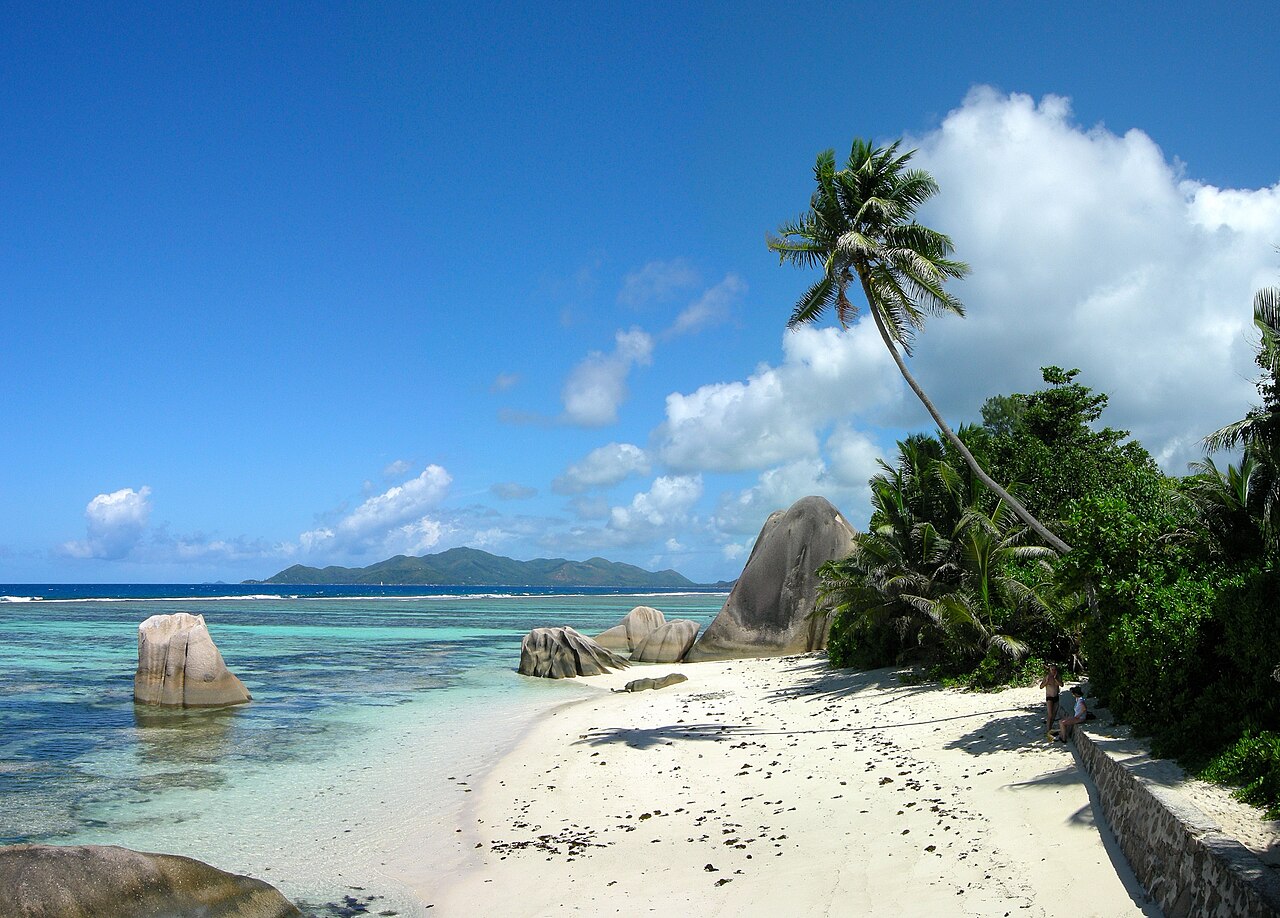
Seychelles, Indian Ocean
Seychelles: Granite Boulders and Endless Light
Ancient granite, quiet coves and forested peaks make the Seychelles feel unlike any other tropical archipelago.
Tropical Islands · 9 min read
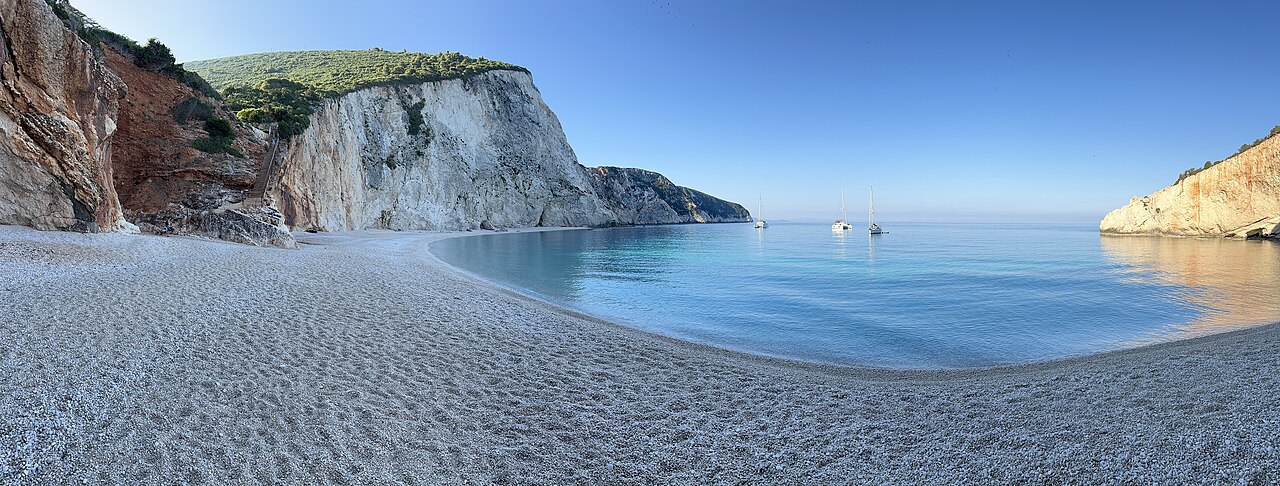
Lefkada and Kefalonia, Greece
The Cliff Beaches of the Ionian Islands
Lefkada and Kefalonia hide pale beaches beneath white cliffs, where the sea glows an almost unreal blue.
Secret Beaches · 8 min read