The Cliff Beaches of the Ionian Islands
Lefkada and Kefalonia hide pale beaches beneath white cliffs, where the sea glows an almost unreal blue.
Lefkada and Kefalonia, Greece · 8 min read · IGANAVI Editorial Team
Published March 22, 2026 · Updated November 16, 2026
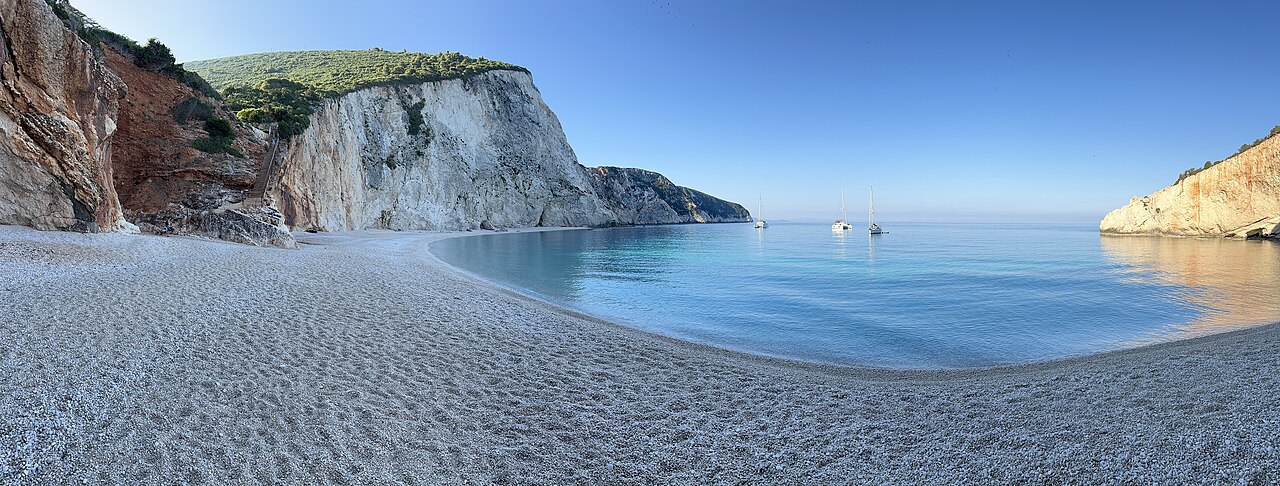
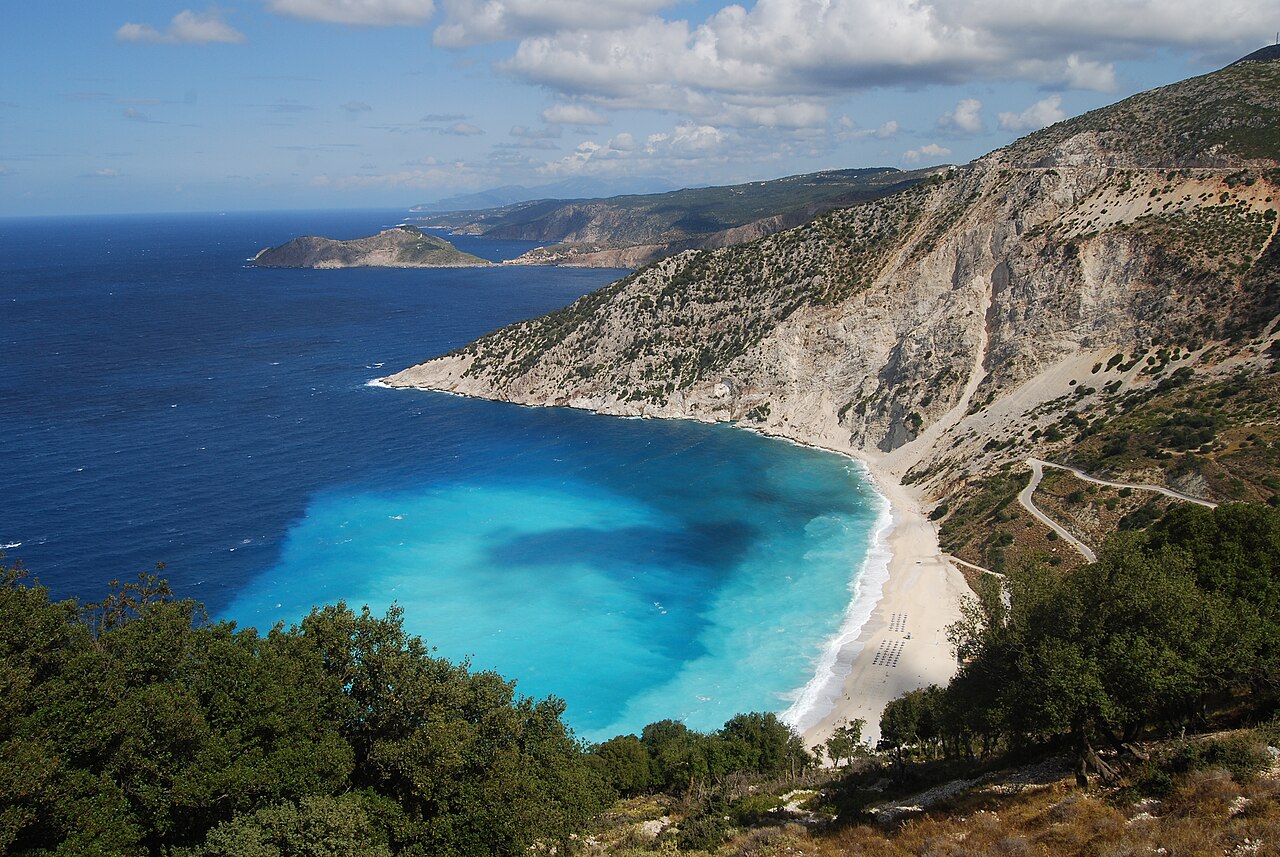
From the road above Myrtos, the beach looks almost unreal: a white crescent pressed between mountain and sea, with turquoise water turning abruptly to blue. Down at the shoreline, the scene is less abstract. Pebbles shift underfoot, waves drag at the edge and the cliffs make their scale unmistakable. The Ionian's western beaches are beautiful, but they are not gentle swimming pools.
Lefkada and Kefalonia offer two especially rewarding ways to explore this coastline. Lefkada combines road access from the mainland with a dramatic western shore. Kefalonia is larger, with mountain roads, harbour villages and beaches spread across distinct corners of the island. Add Zakynthos only if you have time for another island, not because a famous photograph makes it seem nearby.
Lefkada, from the road to the water
Lefkada is connected to mainland Greece by a causeway and a short movable bridge. That makes arrival by car possible without a ferry, although summer traffic and bridge operations can slow the final approach. Once on the island, allow more time than the distance alone suggests. Roads toward the western beaches can be narrow and winding.
Choosing a base depends on your priorities. A village with restaurants within walking distance may be more useful than a remote room positioned between several beaches. Driving a twisting road after every meal soon changes the feel of a holiday. Check parking at your accommodation and be realistic about how much driving you want each day.
Porto Katsiki
Near Lefkada's southern end, Porto Katsiki sits beneath a pale cliff reached from above by steps. The first view deserves a pause, but keep stairways and access routes clear. Carry only what you can comfortably take down and back up, especially in strong heat.
The beach is exposed to changing sea conditions. Check flags, notices and local advice before entering, and remember that a calm morning may not describe the afternoon. Keep away from the cliff base because falling material is a real hazard. A patch of shade under rock is not worth the risk.
Arriving earlier can help with parking and heat, though the beach will not necessarily be empty. If the access area is congested, follow official parking instructions rather than blocking the road. Emergency vehicles and residents need that route as much as visitors do.
Egremni and Kathisma
Egremni is associated with a long beach, high cliffs and a demanding descent. Access has changed following earthquake damage and subsequent works. Check the current road, stair and pedestrian arrangements through local authorities before travelling, and consider whether the climb back suits everyone in your group.
Kathisma is generally easier to approach by road and often has more facilities in season. Easier access does not mean safer swimming. The open western coast can develop waves and shore break, and facilities may be reduced outside peak months. Use each beach's actual conditions, not its popularity, to decide whether to swim.
Kefalonia's larger canvas
Kefalonia rewards choosing an area rather than driving across the island every day. Mountain roads make a straight line on the map misleading. A beach morning paired with a nearby village is often more satisfying than trying to collect several widely separated stops before dinner.
Myrtos from above and below
Myrtos lies on Kefalonia's northwestern coast beneath steep slopes. The approach road offers celebrated views, but stop only in safe, permitted places. Do not stand in the carriageway for a photograph or reverse into traffic because you missed a viewpoint.
Below, pale pebbles and coarse beach material meet water that can deepen quickly. Waves may be strong and the shore break forceful. Stay out when conditions are unsuitable, even if other people are entering. Inflatables are not safety equipment and can carry swimmers away from shore in offshore wind.
Bring footwear for hot or uneven stones and enough drinking water for your plans. Check seasonal facilities rather than assuming loungers, refreshments or lifeguards will be available. The return drive is easier when nobody is exhausted, dehydrated or struggling with sunburn.
Smaller places to pause
Assos offers a harbour setting and a walk toward its Venetian fortress, rather than another version of Myrtos. It makes a useful contrast: quieter water in suitable conditions, village streets and views from higher ground. Wear proper shoes for a longer walk and avoid climbing during the strongest heat.
Elsewhere, coves and beaches around the Paliki peninsula give another perspective on the island. Some are sandy, others rocky, and exposure varies. Ask locally for a beach that fits the day's wind instead of assuming the most famous west-facing stretch is always the best choice.
Zakynthos and the limits of a postcard
Navagio, also called Shipwreck Beach, is on Zakynthos, not Lefkada or Kefalonia. Its enclosed cove has become one of Greece's most circulated images, but access has been subject to safety closures and restrictions because of rockfall and instability. An old photograph of people on the sand is not evidence that landing or swimming is currently allowed.
The clifftop viewpoint also requires caution. Official access restrictions, barriers and temporary closures may apply, and unofficial paths beyond the designated area are dangerous. Never step around a barrier or follow a crowd toward an unprotected edge. The limestone is not made safe by a popular photo angle.
For a visit in 2026, check current notices from local authorities, the municipality and the relevant coastguard or port authority. Ask a licensed operator exactly what its trip is permitted to do. A boat may offer an offshore view only, or a route may change entirely. Do not make a whole island journey depend on access that has not been confirmed.
Why the colours change
Pale limestone, light beach material and the way sunlight travels through water contribute to the Ionian's striking blues. Suspended fine sediment can create a milky turquoise appearance near shore, while deeper water looks darker. Wind and wave action change that effect, so yesterday's photograph may look unlike today's view.
Light matters too. Morning shade beneath a cliff can keep part of a beach cool while the sea beyond glows. Later, the same shoreline may be fully exposed. Choose your timing for comfort as well as colour, and never use a cliff overhang as guaranteed shelter from the sun.
Moving between the islands
Seasonal ferry services can connect Kefalonia and Lefkada, commonly using northern Kefalonian and southern Lefkadian ports, but routes and operating days vary. Confirm the current service directly with the ferry operator. Check whether your chosen sailing accepts vehicles and whether advance reservations are advisable.
If you have a rental car, get written permission for ferry travel and check how insurance and breakdown assistance apply on another island. Returning the vehicle to its original island may also shape your route. A passenger ticket does not solve the question of transport after arrival.
For Zakynthos, look at the whole connection rather than assuming there is a convenient direct boat from every neighbouring island. Seasonal excursion boats are not interchangeable with public ferries. Mainland connections may make more sense, depending on dates and the available timetable.
Choosing the season and the day's beach
Late spring and early autumn can offer more breathing room than July and August. Sea temperature varies, with early-season swims often cooler than visitors expect. September can retain summer warmth, but weather is never guaranteed and services may begin reducing as the season progresses.
High summer brings heat, busy roads and pressure on small parking areas. Start early, carry more water than you expect to need and plan a shaded break. Check current fire-risk advice and any road or trail restrictions during hot, dry periods.
On a windy day, choose a sheltered alternative or stay ashore. A beach day need not include a swim to be worthwhile. There is plenty to enjoy in a harbour lunch or a slow walk through a village while the exposed coast settles down.
Practical tips for cliff beaches
- Check local access notices after earthquakes, rockfalls or severe weather, even if you visited the same beach before.
- Wear secure shoes on steps and paths; carry beach footwear separately if needed.
- Stay well away from cliff bases and obey barriers at both beach level and viewpoints.
- Bring water, sun protection and a way to carry your rubbish out.
- Ask whether boat trips land, anchor offshore or only pass a beach, and confirm cancellation arrangements for bad weather.
- Keep valuables out of sight in parked cars and avoid leaving important documents at the beach.
- Save offline maps, but do not follow suggested shortcuts onto unsuitable tracks.
A small waterproof pouch is usefull for keys, although it is no reason to swim in unsafe water. There is less to worry about when you bring only what you need and keep the day's plan simple.
Questions about the Ionian coast
Is Porto Katsiki suitable for everyone?
The steps, heat and return climb can be difficult for some visitors. Check current access and consider mobility needs honestly. A more accessible beach may give your group a better day than reaching a famous one with difficulty.
Is Myrtos safe for children to swim?
Conditions decide, not the beach's reputation. The water can deepen quickly and waves can be powerful. Supervise children closely, follow any lifeguard instructions and choose a calmer alternative when necessary. Do not rely on inflatable toys.
Can I walk down to Navagio?
Do not plan on it. Beach and viewpoint access are subject to safety restrictions, and dangerous informal routes are not an alternative. Consult current official notices and obey closures, whether you approach the area by land or sea.
Can I combine Lefkada and Kefalonia without a car?
Yes, but it requires checking seasonal ferries and arranging transport at both ends. Buses and taxis may not connect neatly with every sailing or remote beach. Choose accommodation around confirmed connections rather than assuming frequent transport will be available everywhere.
Related guides
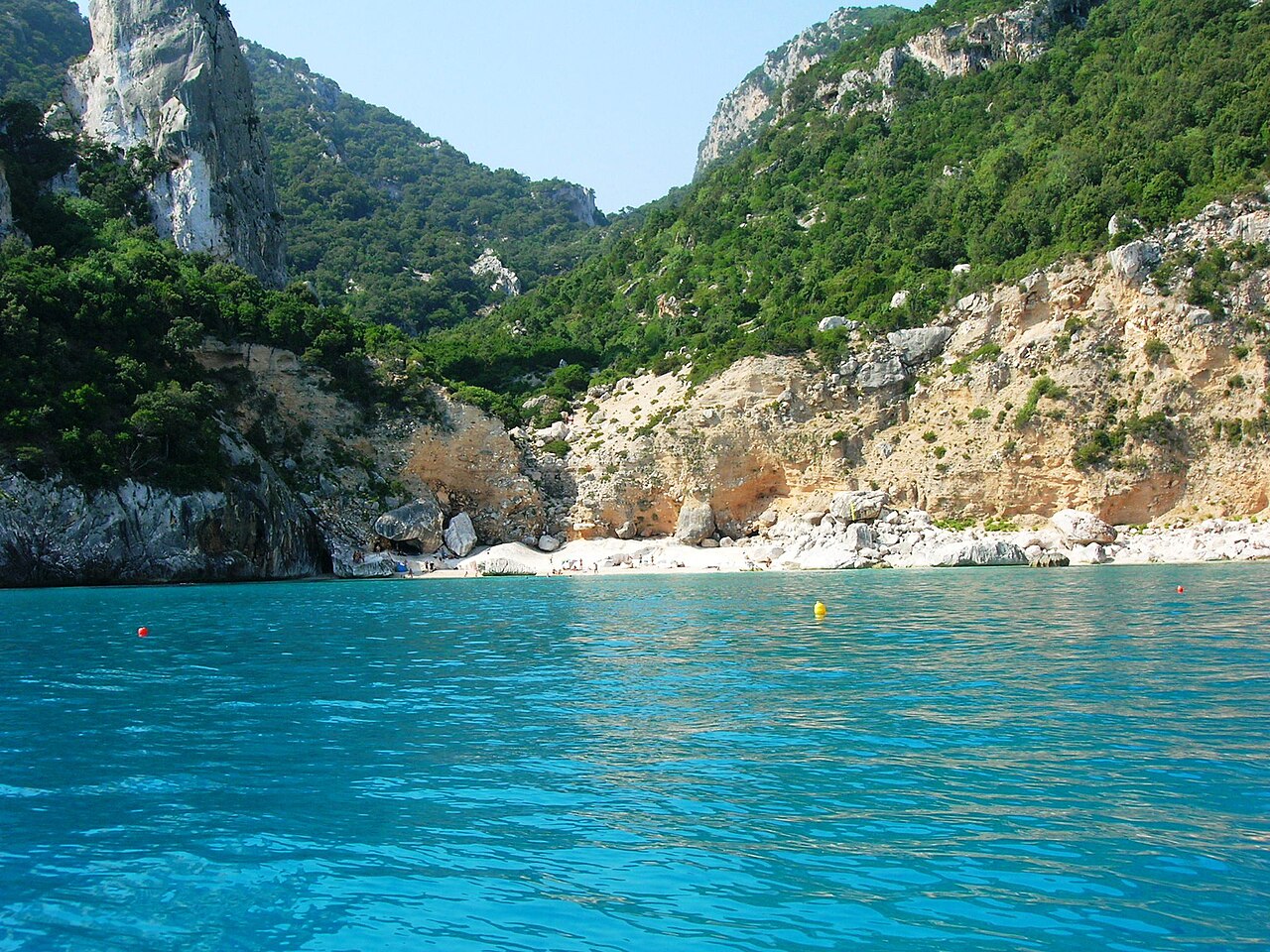
Sardinia, Italy
Sardinia's Gulf of Orosei: Coves at the End of the Trail
Limestone spires, hidden coves and turquoise water reached only by boat or a long hike on Sardinia's east coast.
Secret Beaches · 9 min read
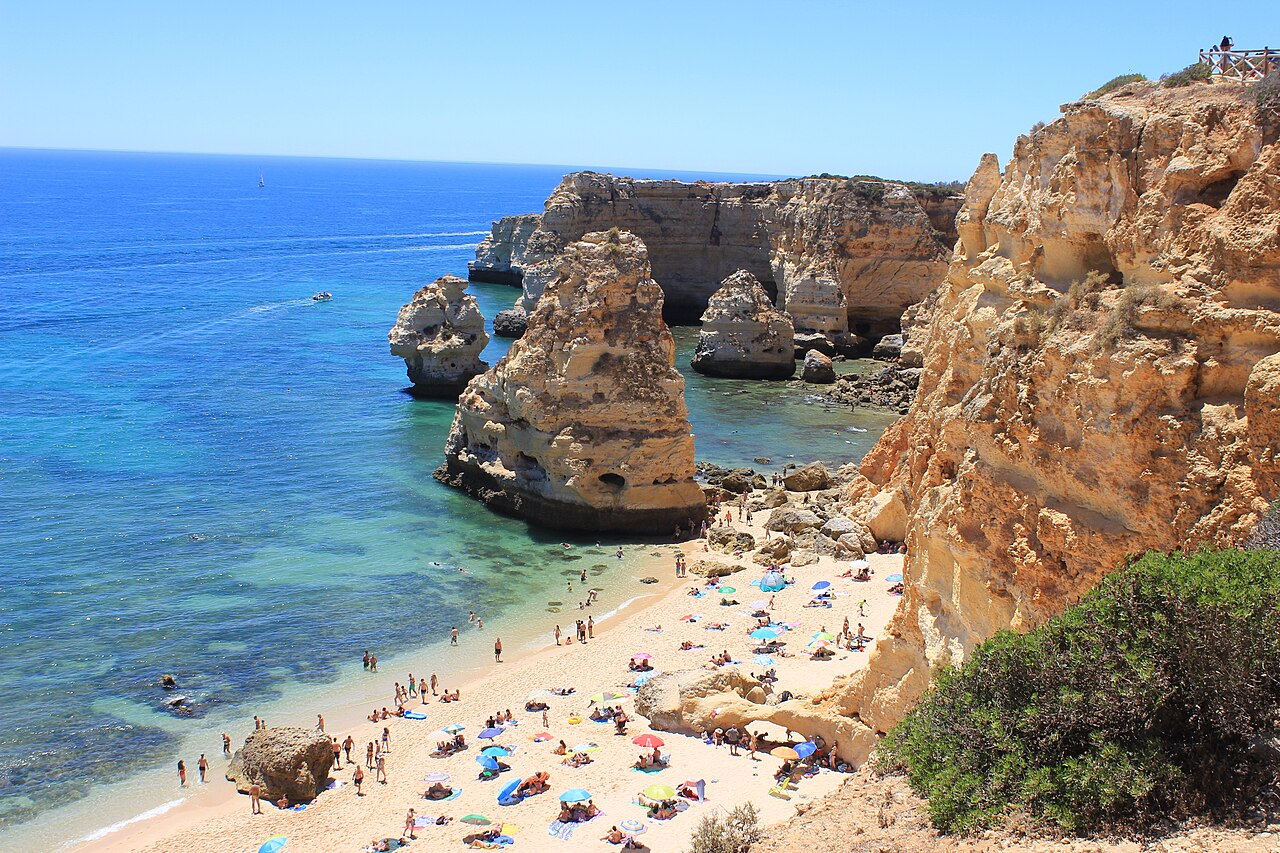
Algarve, Portugal
The Algarve's Golden Coves
Sea caves, rock arches and sheltered sand pockets line Portugal's southern coast between Lagos and Carvoeiro.
Secret Beaches · 8 min read
Maldives, Indian Ocean
The Maldives: Learning to Read the Atolls
A nation of coral rings scattered across the Indian Ocean, where choosing an atoll matters as much as choosing an island.
Tropical Islands · 8 min read