The Algarve's Golden Coves
Sea caves, rock arches and sheltered sand pockets line Portugal's southern coast between Lagos and Carvoeiro.
Algarve, Portugal · 8 min read · IGANAVI Editorial Team
Published May 6, 2026 · Updated November 16, 2026
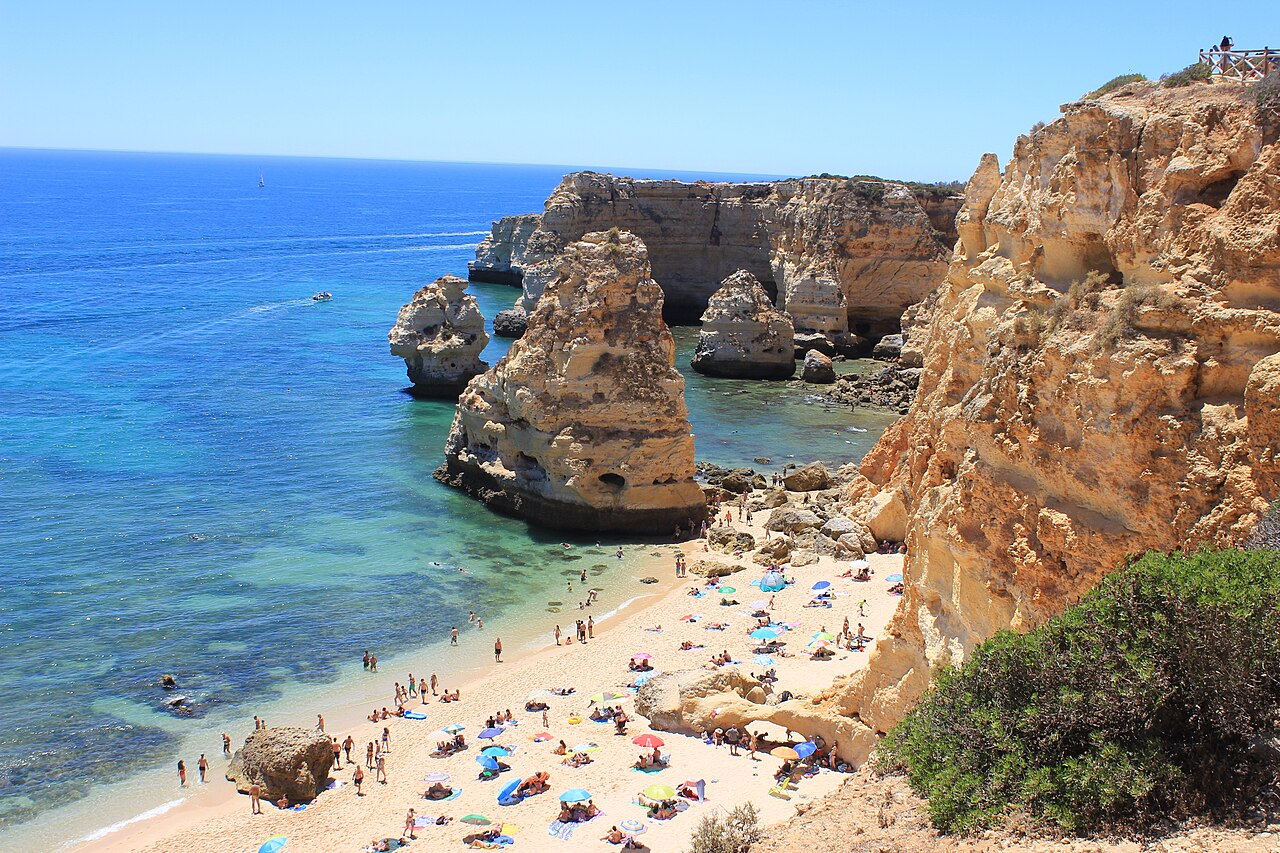
Seen from a clifftop, an Algarve cove can look like a private discovery: a scoop of pale sand, green water and golden rock closing around it. Walk down the steps and you may find plenty of other people had the same idea. That need not spoil the place. The pleasure lies less in finding a secret beach than in learning how this coast works, from morning shade to the tide that changes the available sand.
The Algarve is on mainland Portugal, not an island. Yet its enclosed bays can feel wonderfully separate from the towns above. Along the central coast, especially around Lagoa, the cliffs create a succession of small coastal worlds. Explore selectively and leave room for the sea to change your plans.
Read the cliffs before choosing a beach
Much of the celebrated golden coast is formed from sedimentary rock, including limestone, shaped by erosion and the action of water. Caves, arches, sinkholes and isolated stacks are different expressions of that continuing process. The scenery is not a finished sculpture. Rockfalls are a real hazard, including on apparently quiet days.
Set up well away from cliff bases and overhangs, observe exclusion signs and avoid stopping beneath unstable rock for shade. Above, stay back from edges and fenced openings. The best angle for a photograph is rarely worth an uncertain foothold on crumbling ground.
A cove is not always sheltered
High cliffs can block the wind while waves still enter the bay. Check the forecast, local beach flags and lifeguard advice where available. An inviting colour tells you little about currents, underwater rocks or how difficult it will be to get out of the water.
Tide tables are useful for understanding how much beach may remain, not as permission to squeeze through a rocky passage. Do not depend on a low-tide shortcut as your only return route. A swell can make a crossing dangerous even when the predicted tide seems favourable.
Praia da Marinha deserves time
Praia da Marinha is among the coast's best-known beaches, so arrive expecting company rather than solitude. The clifftop views explain its reputation before you reach the sand: layered headlands, sea stacks and water that changes colour with clouds and depth. Stay on the established approaches rather than following eroded photo trails towards the edge.
The descent involves steps, and the return can feel harder in afternoon heat. Carry what you can comfortably bring back uphill. Visitors with limited mobility should check current access information before committing to the descent; a clifftop visit may be the better choice.
On a calm day, clear water makes the beach appealing for a swim or a little snorkeling. Keep away from cliff bases and boat activity, and do not venture around a headland simply because another swimmer has done so. Conditions can differ markedly between adjacent pockets of water.
Enjoy the view without chasing it
There is no single compulsory photograph here. Walk a little along the designated clifftop route, pause at a safe viewpoint and watch the light move. Early and later visits can be gentler than midday, though parking and paths may still be busy. Leave valuables out of sight and avoid leaving anything on the sand that you cannot afford to lose.
Walk the Seven Hanging Valleys Trail
The Seven Hanging Valleys Trail links Praia da Marinha with Praia de Vale Centeanes along a remarkable stretch of coast. Its appeal comes from the changing perspective: one moment a broad view across the sea, the next a glimpse into an inlet or towards a hollow in the rock. It is a walk, not merely a connection between beach bars.
Uneven surfaces, exposed sections and limited shade call for proper footwear and drinking water. In hot weather, start early and consider walking only part of the route. Check current trail notices, since erosion or maintenance can alter access. Keep children close beside steep drops and never cross barriers for a closer look into a sinkhole.
If walking point to point, arrange your return before setting out. Reversing the route means covering the ground again, including the climbs. Local transport or a taxi may help, but availability should not be taken for granted at the exact moment you become tired.
Benagil: admire it from the water
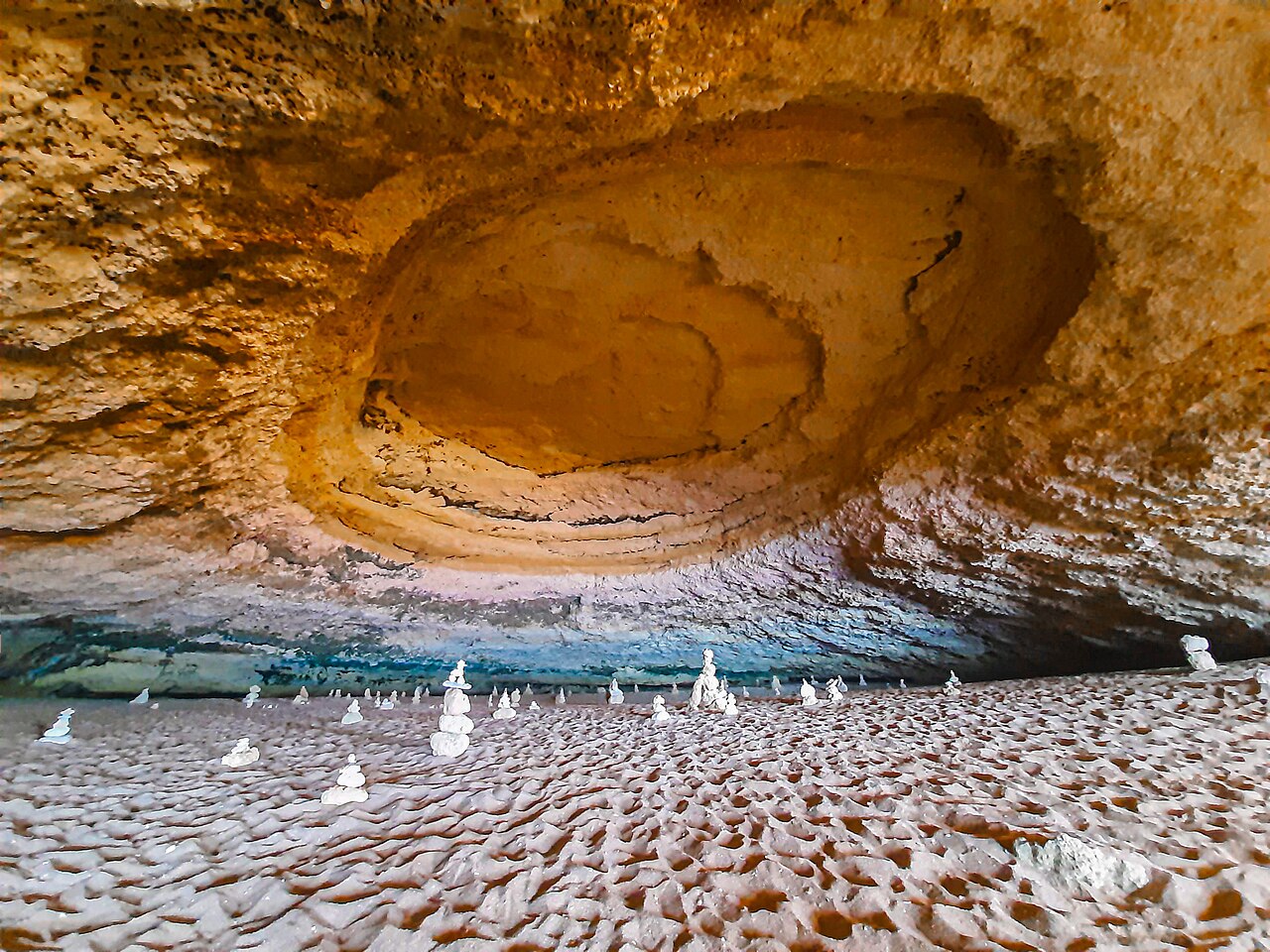
The opening in Benagil cave's roof has made it an emblem of the Algarve. Sunlight reaches an interior beach enclosed by rock, creating a striking scene even when viewed briefly. Its popularity also means that older travel accounts and photographs can give a misleading impression of what visitors may do today.
Do not swim into Benagil cave or plan to land on its inner beach. Visits are from the water by authorised boat, without disembarking. Do not treat a kayak or paddleboard listing as proof that entry is allowed. Confirm current restrictions with the Portuguese maritime authorities and a licensed operator before paying for an excursion, as access arrangements can change.
What a responsible boat trip looks like
Ask where the boat departs, which areas it expects to visit and what happens if the sea prevents cave entry. Operators must make safety decisions on the day; no responsible itinerary can guarantee access regardless of swell. A trip along the open coast may still be enjoyable without entering a particular cave.
Look for a clear safety briefing and suitable lifejackets. Follow instructions about remaining seated and keeping hands inside the vessel near rock. Small boats can move sharply, and the contrast between bright sea and shaded cave is a reason to secure your camera rather than lean out for a shot.
Smaller beaches, different compromises
Praia de Albandeira offers a compact coastal setting with impressive rock scenery nearby. Small does not mean undiscovered, and a modest beach fills quickly. Choose a spot away from cliffs and accept that there may simply be too little safe sand for another towel at the busiest times.
Praia do Carvalho has a distinctive approach through a passage cut into the rock. Check access conditions and watch your footing, particularly where sand and damp surfaces meet. It is not a place to improvise cliff jumps or to follow strangers onto ledges.
Near Lagos, Praia do Camilo is framed by attractive cliffs and reached by a substantial staircase. It makes a lovely short visit if the climb suits you, but is hardly a reliable escape from crowds. The walk back up takes a bit more effort then the descent suggests.
Make quiet a matter of timing
For a less pressured day, select one beach and arrive before the busiest period rather than driving between famous names. Visit outside high summer if your dates allow. Even then, do not equate an empty cove with safe swimming: the absence of people may mean no one is available to help.
A cafe lunch away from the most photographed viewpoint can be a welcome reset. Ask what fish is available that day and check how it is priced before ordering. Leave yourself time to enjoy it; parking searches and narrow approach roads are good reasons to keep the afternoon flexible.
Practical tips for a golden-coast day
Spring and autumn often suit coastal walking, though rain, heat and rough seas remain possible. Summer brings stronger demand for parking, boat trips and beach space. Winter can offer bright walking days, but services may be reduced and Atlantic conditions can be forceful.
- Check maritime forecasts as well as the general weather forecast before arranging a boat trip.
- Wear shoes with grip on trails and stairs; carry beach footwear separately if needed.
- Take water, sun protection and a hat, especially on exposed clifftop walks.
- Use designated parking and keep access roads clear for residents and emergency vehicles.
- Carry rubbish out, including food scraps, and avoid collecting shells or disturbing coastal vegetation.
- Check whether your chosen beach has seasonal lifeguards, toilets and accessible facilities rather than assuming it does.
Keep a dry layer handy after boat trips outside the hottest months. A breeze that feels pleasant on land can turn chilly once clothing is wet. It is an easy detail to forget untill the return journey.
Questions before setting out
Can I swim into Benagil cave?
No. Swimming into the cave and landing on its beach are prohibited. Plan only an authorised boat visit from the water and verify current maritime rules before travelling. Images of people standing inside are not reliable guidance for today's visit.
Is the Seven Hanging Valleys Trail suitable in summer?
It can be, but exposed walking in high heat is demanding. Start early, carry ample water and shorten the route if necessary. Avoid walking during dangerous heat or when official advice warns against it.
Which cove is best for a quiet afternoon?
There is no guaranteed quiet choice among these well-known beaches. Timing, season and the amount of safe sand matter more than a label such as hidden. Have a second option, and leave if a beach is too crowded to use safely.
Do I need a car?
Not necessarily if you stay near your chosen beaches and arrange selected transfers. A car makes scattered coves easier to combine, but brings parking problems. Often the better day is one short journey, one stretch of coast and no race to see the next bay.
Related guides
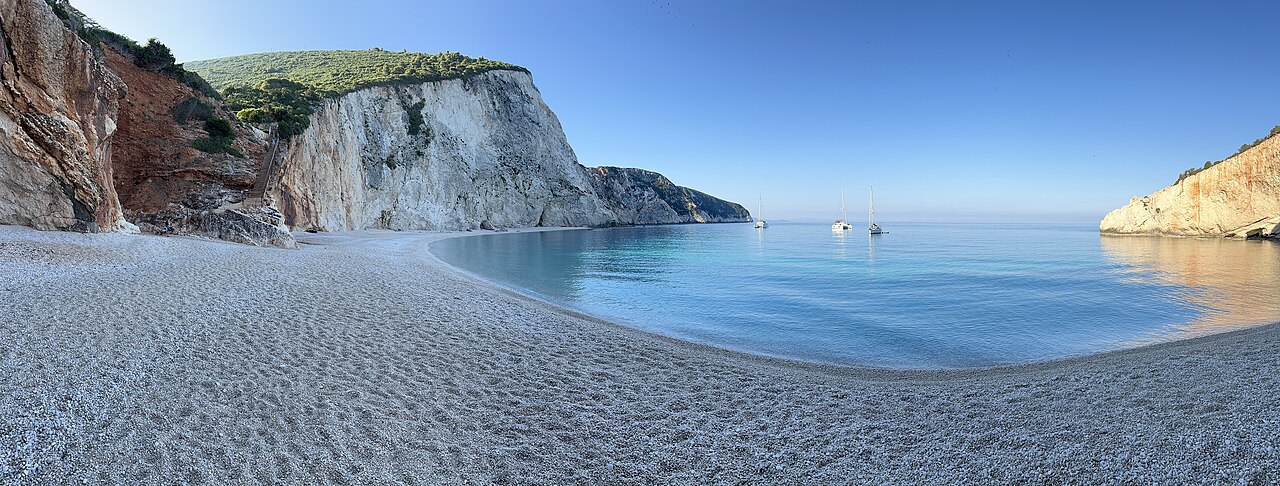
Lefkada and Kefalonia, Greece
The Cliff Beaches of the Ionian Islands
Lefkada and Kefalonia hide pale beaches beneath white cliffs, where the sea glows an almost unreal blue.
Secret Beaches · 8 min read
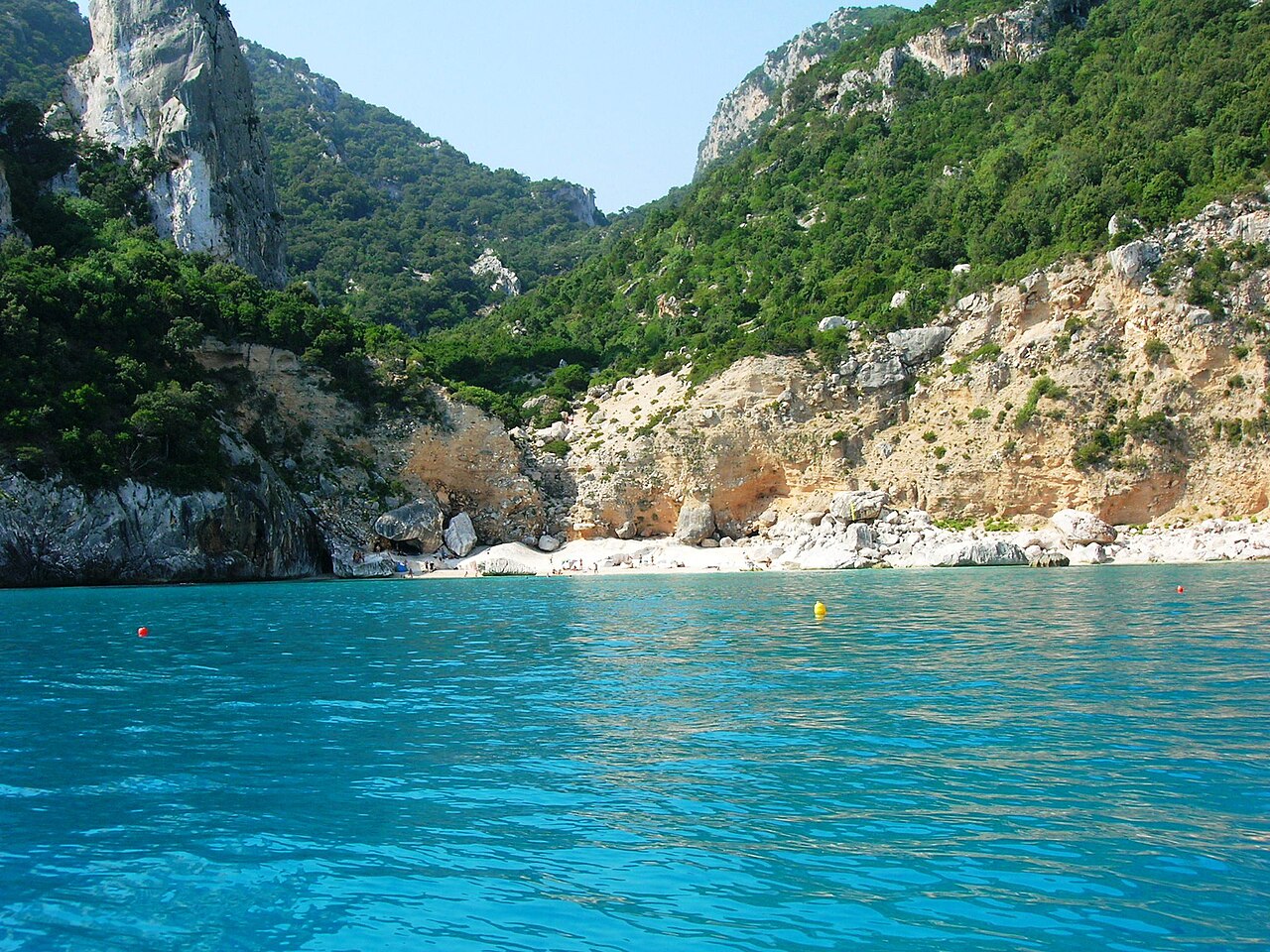
Sardinia, Italy
Sardinia's Gulf of Orosei: Coves at the End of the Trail
Limestone spires, hidden coves and turquoise water reached only by boat or a long hike on Sardinia's east coast.
Secret Beaches · 9 min read
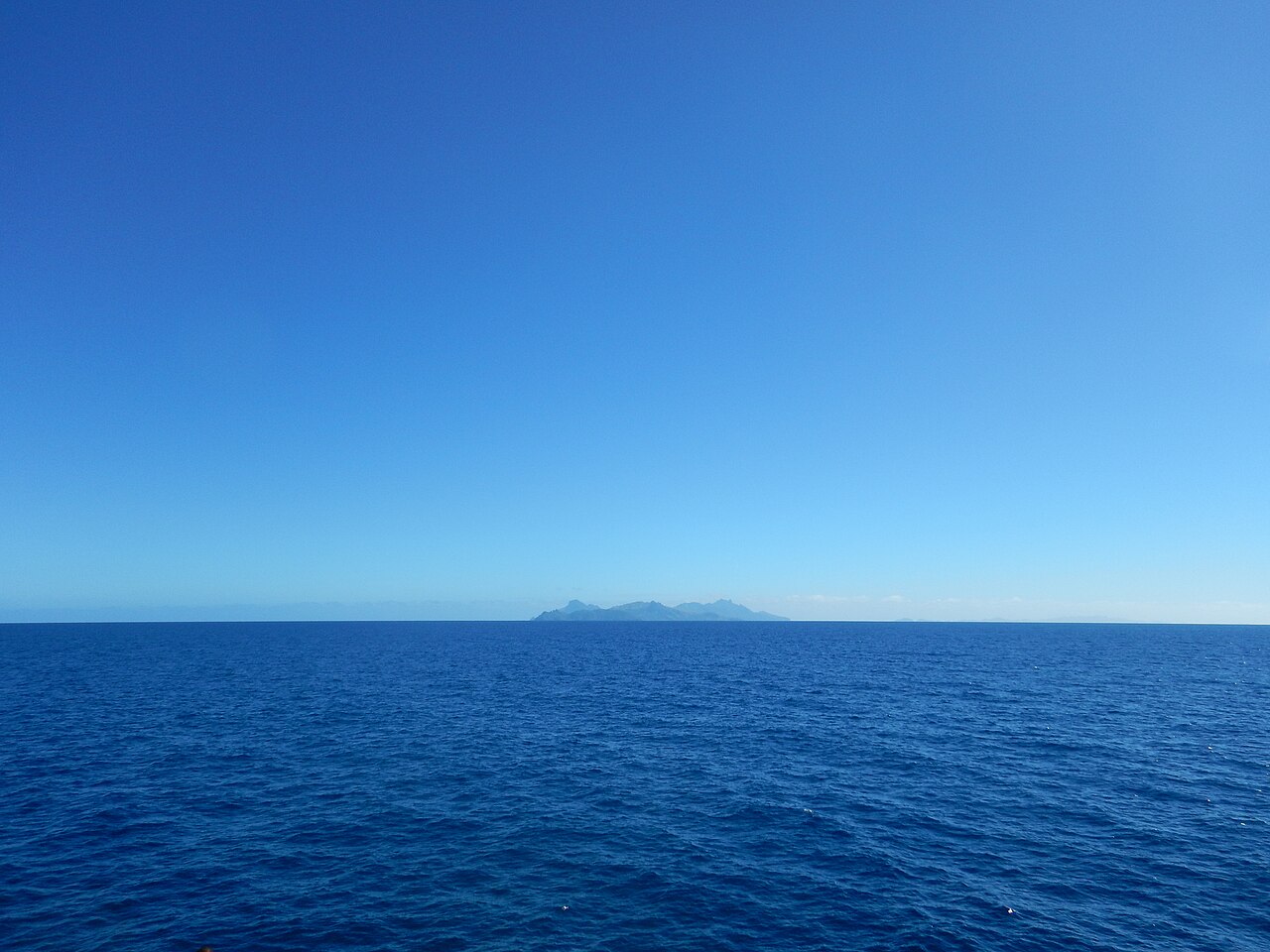
Fiji, South Pacific
Fiji's Island Chains: The Yasawas and Mamanucas
Two island groups off Viti Levu offer reef-fringed beaches, village warmth and easy access by boat.
Tropical Islands · 8 min read