Sardinia's Gulf of Orosei: Coves at the End of the Trail
Limestone spires, hidden coves and turquoise water reached only by boat or a long hike on Sardinia's east coast.
Sardinia, Italy · 9 min read · IGANAVI Editorial Team
Published April 15, 2026 · Updated November 16, 2026
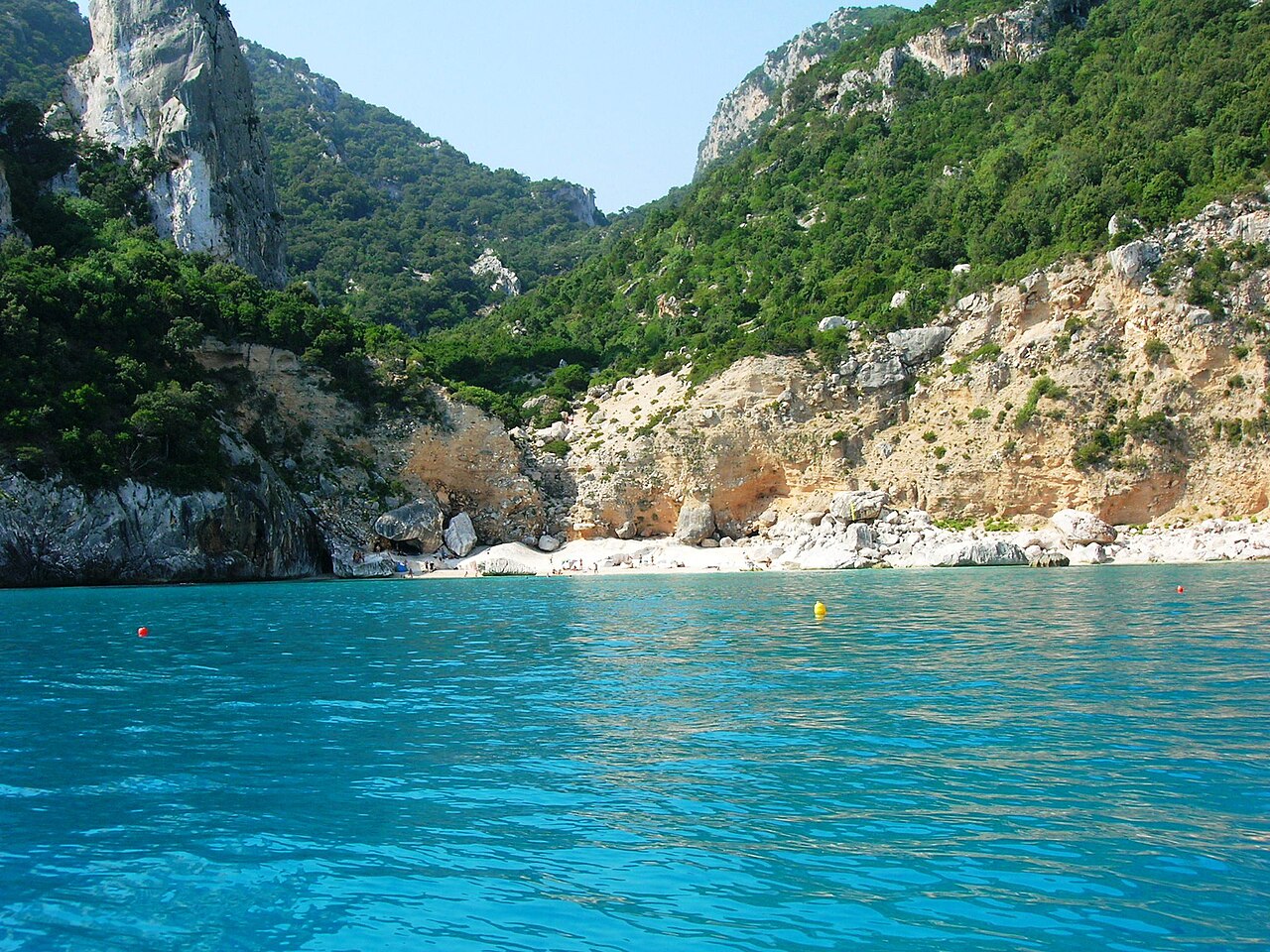
From above, the coast looks almost folded: limestone ridges, wooded gullies, then a sudden drop to water. Down at sea level, each opening in the cliffs becomes a possible beach. Some are broad enough for a lazy afternoon; others feel like small interruptions in a mountain wall. The Gulf of Orosei is not a single seaside resort but a coastline whose geography determines nearly every decision you make.
The most dramatic stretch lies along eastern Sardinia below the Supramonte and the territory of Baunei. Roads reach useful starting points, not every cove. To get closer you will usually need a boat, a walk, or a carefully organised combination of both. That effort is part of the attraction, provided you understand what it involves before setting off.
Choose a base before choosing your beaches
Cala Gonone is a practical northern base, with accommodation, places to eat and a harbour used by coastal excursions. Santa Maria Navarrese, farther south, is another important departure point for boat trips along the Baunei coast. Both let you discuss the day's conditions and itinerary locally rather than relying entirely on a photograph and a distant forecast.
Baunei itself sits above the coast and makes sense for visitors interested in mountain landscapes and trail access. It is not a beach resort: reaching the shore is a separate undertaking. Orosei can suit a broader coastal holiday, but check driving distances to your chosen harbour or trailhead rather than assuming all places sharing the gulf's name are neighbours.
Plan by method, not by wish list
Decide whether your main day will be spent walking or travelling by boat. Then choose a destination that suits that method. Trying to fit Cala Goloritzé, several swimming stops and a demanding hike into one day usually means misunderstanding either the distances or the access rules.
Leave another day uncommitted if the coves are the main reason for your visit. Wind and swell can cancel landings even when the sky is blue. A flexible plan is more valuable here than a long list of beaches marked on a map.
Cala Goloritzé: a protected destination
Cala Goloritzé is recognisable by its limestone pinnacle, pale shore and natural arch. It is also a natural monument, not an unrestricted beach where arrival guarantees entry. Access is limited through a numbered admission system, and an access fee applies in season. Check the current official arrangements through Baunei's visitor information and its authorised access channel before travelling to the trailhead.
Reservation windows, opening periods and operational rules can change. Do not rely on an old account of walking down without checking anything first. Keep your confirmation available offline, and read the instructions about when to arrive and what the admission covers. There is no useful shortcut around a full allocation.
The walk from the Golgo plateau
The usual walking approach starts from the Golgo plateau above Baunei. The trail descends over rough ground, with loose stones and uneven footing. Coming back means regaining that height, often when the day is warmer and your legs are less enthusiastic. A simple downhill time estimate says little about the effort of the full return journey.
Wear walking footwear with reliable grip and carry sufficient water for both directions, with a reserve. Start early within the permitted access arrangements, and check the day's heat and any trail restrictions. Shade comes and goes. Do not assume the beach will provide food, drinking water or a convenient solution if you arrive underprepared.
Why the boat rules matter
Boat landing is not permitted at Cala Goloritzé. Boats must also respect the protected swimming area and current exclusion rules offshore. An excursion advertised as viewing the cove from the sea is therefore different from one offering a beach stop elsewhere on the coast.
Do not plan to hike down and casually find a boat ride back from this beach. The normal walking visit requires a return on foot. Ask operators clear questions about what their itineraries actually include, and treat protective restrictions as part of the destination rather than an inconvenience to work around.
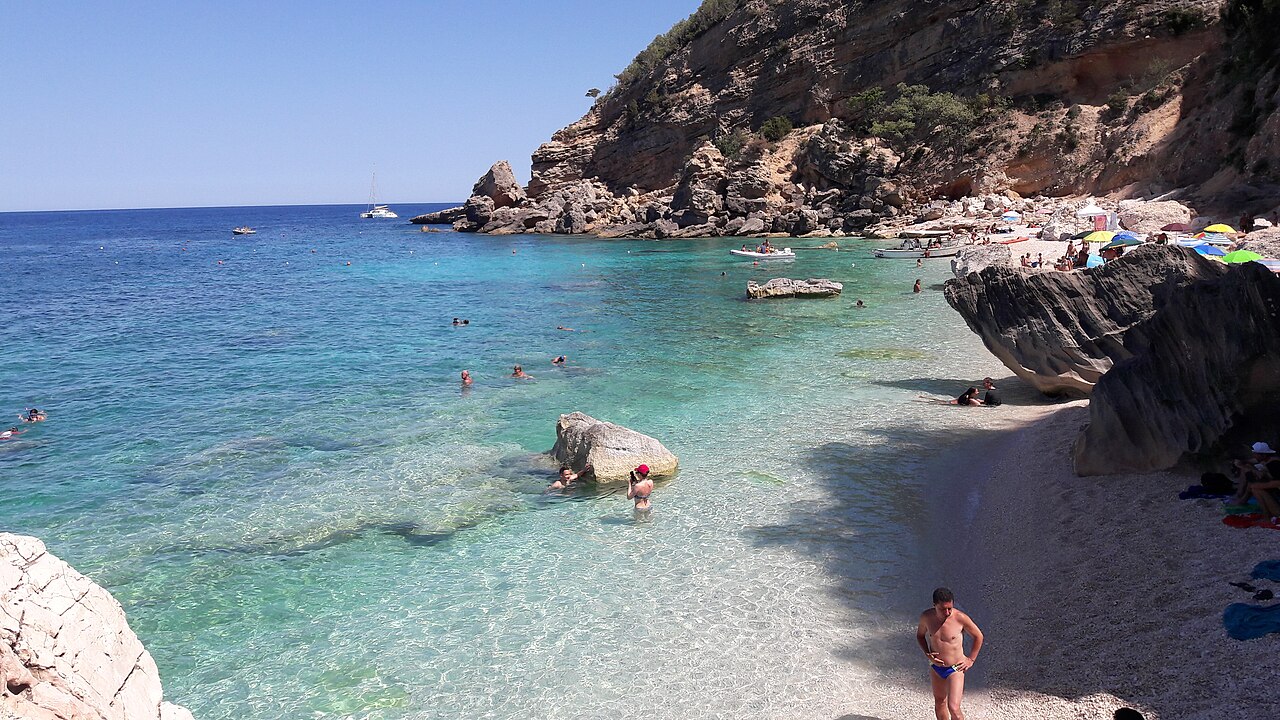
Cala Mariolu and the character of the shore
Cala Mariolu is known for pale pebbles against water that shifts from transparent turquoise to a deeper blue offshore. It can feel almost dazzling in strong sunlight. Boat excursions make it accessible to many visitors, but popularity means that a remote position does not guarantee solitude.
Check current access and visitor-management arrangements before setting out. Different beaches along this coast can have different rules, and arrangements may change between seasons. A boat operator should explain the permitted landing, the length of the stop and how passengers will reboard. Listen carefully if surf makes the shoreline awkward.
Treat an overland approach to Cala Mariolu as a serious mountain undertaking, not an alternative version of the ordinary Goloritzé walk. Steep, exposed and technical terrain is involved on approaches in this area. Seek a qualified local guide and a route assessment rather than following an attractive line on a phone map.
Leave pebbles where they are, however tempting their shapes. The same applies to shells, sand and other natural material. A photograph weighs less in your bag and leaves the beach intact for the next arrival.
Cala Luna, caves and other stops
Cala Luna has a different atmosphere, with a wider beach at the mouth of a valley and large recesses in the cliff behind it. It is a familiar stop on excursions from Cala Gonone, though availability and landings depend on conditions. Walking approaches exist, including the route from Cala Fuili, but they cross rough ground and require proper preparation.
Do not confuse a popular trail with a paved coastal promenade. Check the route, weather and your return plan, and take walking shoes even if swimming is the day's main ambition. A boat return must be confirmed in advance, including where and when to meet it and what happens if sea conditions prevent collection.
Cala Sisine and Cala Biriola
Cala Sisine and Cala Biriola add variety to a coastal itinerary, each with its own setting and access considerations. Whether either appears on your day's route may depend on sea state, the vessel and current local rules. Ask which stops are intended, which are conditional and how much actual time ashore is included.
There is little advantage in comparing trips solely by the number of beach names on the description. A relaxed stop with time to swim may be more satisfying than repeated hurried landings. The coastline between coves, with its cliffs, trees and rock formations, is also part of the journey.
Grotta del Bue Marino
Some excursions include or offer a separate visit to the Grotta del Bue Marino, the sea cave associated with the Mediterranean monk seal's history on this coast. Entry and guided visits have their own arrangements. Check whether cave admission is included, how the transfer works and whether the visit is operating on your date.
Cave paths and boat boarding require attention even on a gentle sightseeing day. Follow the guide's instructions and avoid assuming that every coastal attraction shares the same accessibility. If steps, balance or enclosed spaces are a concern, ask specific questions before choosing the trip.
Boat days are still weather days
Larger excursion boats and smaller rigid inflatable boats offer different experiences. Compare passenger arrangements, shade, time ashore and the method of getting on and off. Families with young children and anyone with limited mobility should discuss their needs directly with the operator, not infer suitability from a sunny photograph.
If considering a self-drive boat, check legal requirements, the vessel's permitted operating area and the operator's safety briefing. Local knowledge matters around cliffs, protected areas and changing wind. Being allowed to hire a particular craft does not make every condition appropriate for an inexperienced driver.
Take drinking water, sun protection and a waterproof bag for essential belongings. Keep your return instructions somewhere you can read without an internet connection. The most useful peice of information may be the name of your boat and the exact collection point, rather than another saved beach photograph.
Selvaggio Blu is not a casual coastal hike
The Selvaggio Blu is associated with this coast's wild terrain, combining demanding navigation with exposed sections and technical passages that can involve abseiling. It should not be presented as a scenic extension of an ordinary beach walk. Experience, specialist equipment and a properly organised plan are essential.
Unless you have the relevant technical competence and detailed local knowledge, use qualified guides for such terrain. Even shorter routes in the surrounding Supramonte can be hard to follow, with sharp limestone and limited water. Tell someone your plan and understand that mobile coverage may be unreliable.
Practical tips for the coves
Late spring and early autumn can be more comfortable for walking than midsummer, but neither guarantees calm seas or operating boats. Early-season water may feel cool, while summer heat makes exposed return climbs much harder. Check both mountain and marine conditions for the activity you intend to do.
- Verify Cala Goloritzé's numbered access, seasonal fee and current booking procedure through official sources.
- Carry sufficient drinking water and food rather than counting on beach facilities.
- Download the appropriate map before leaving reliable mobile coverage.
- Confirm any boat pickup explicitly, including cancellation arrangements.
- Pack out all rubbish and do not remove sand, shells or pebbles.
- Turn back early if heat, fatigue or conditions make the return doubtful.
A spare layer and basic first-aid supplies can earn their place even in a light daypack. So can an honest conversation about fitness before the group leaves. The final uphill stretch feel longer after hours in the sun, and enthusiasm is not a substitute for water or daylight.
Short FAQ
Can I land at Cala Goloritzé by boat?
No. Boat landing is not permitted there, and offshore protection rules must also be observed. Plan an authorised walking visit if you want to reach the beach itself.
Do I need to reserve Cala Goloritzé?
Access is limited and numbered, with a seasonal fee. Check the official current procedure and secure the required admission before making the journey; do not assume space will be available on arrival.
Which harbour should I use for a boat trip?
Cala Gonone and Santa Maria Navarrese are both established departure points. Choose according to where you are staying, the specific route and the vessel, then confirm operations close to departure.
Can beginners walk to every cove?
No. Routes differ enormously, from rough but established paths to exposed technical terrain. Ask about the exact route rather than the beach name, and choose a guided alternative or a suitable boat excursion when the approach exceeds your experience.
Related guides
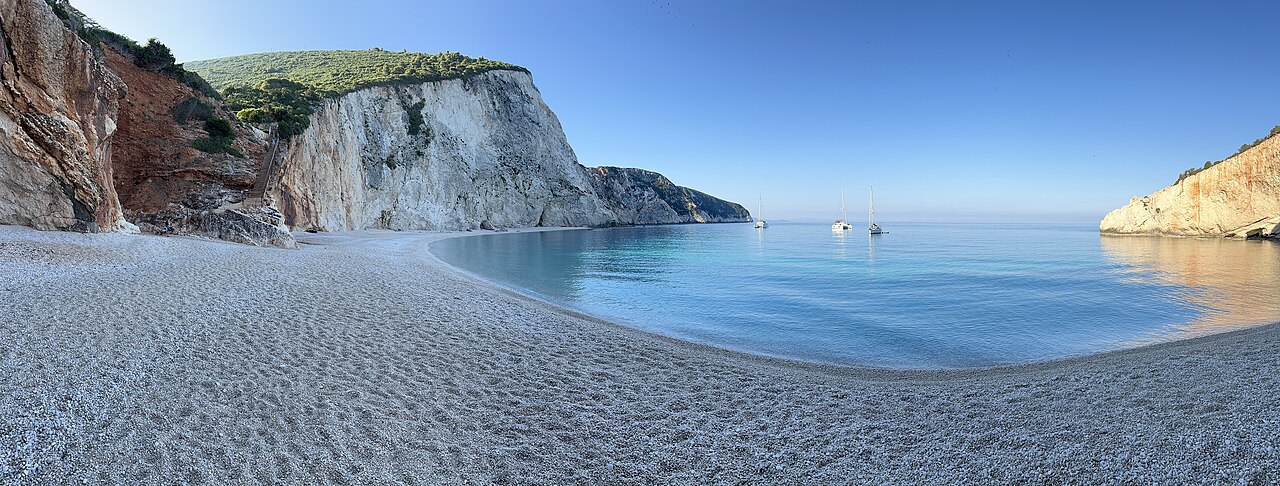
Lefkada and Kefalonia, Greece
The Cliff Beaches of the Ionian Islands
Lefkada and Kefalonia hide pale beaches beneath white cliffs, where the sea glows an almost unreal blue.
Secret Beaches · 8 min read
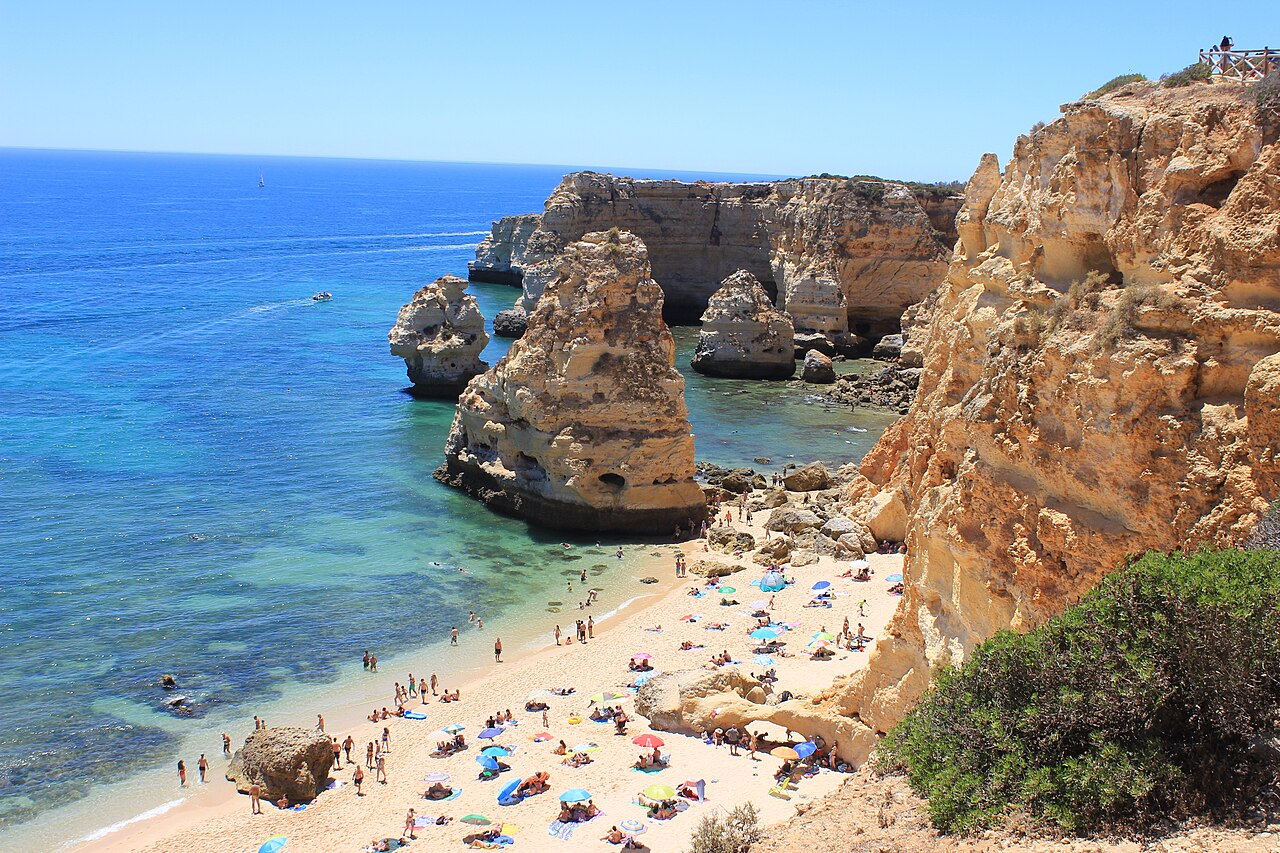
Algarve, Portugal
The Algarve's Golden Coves
Sea caves, rock arches and sheltered sand pockets line Portugal's southern coast between Lagos and Carvoeiro.
Secret Beaches · 8 min read
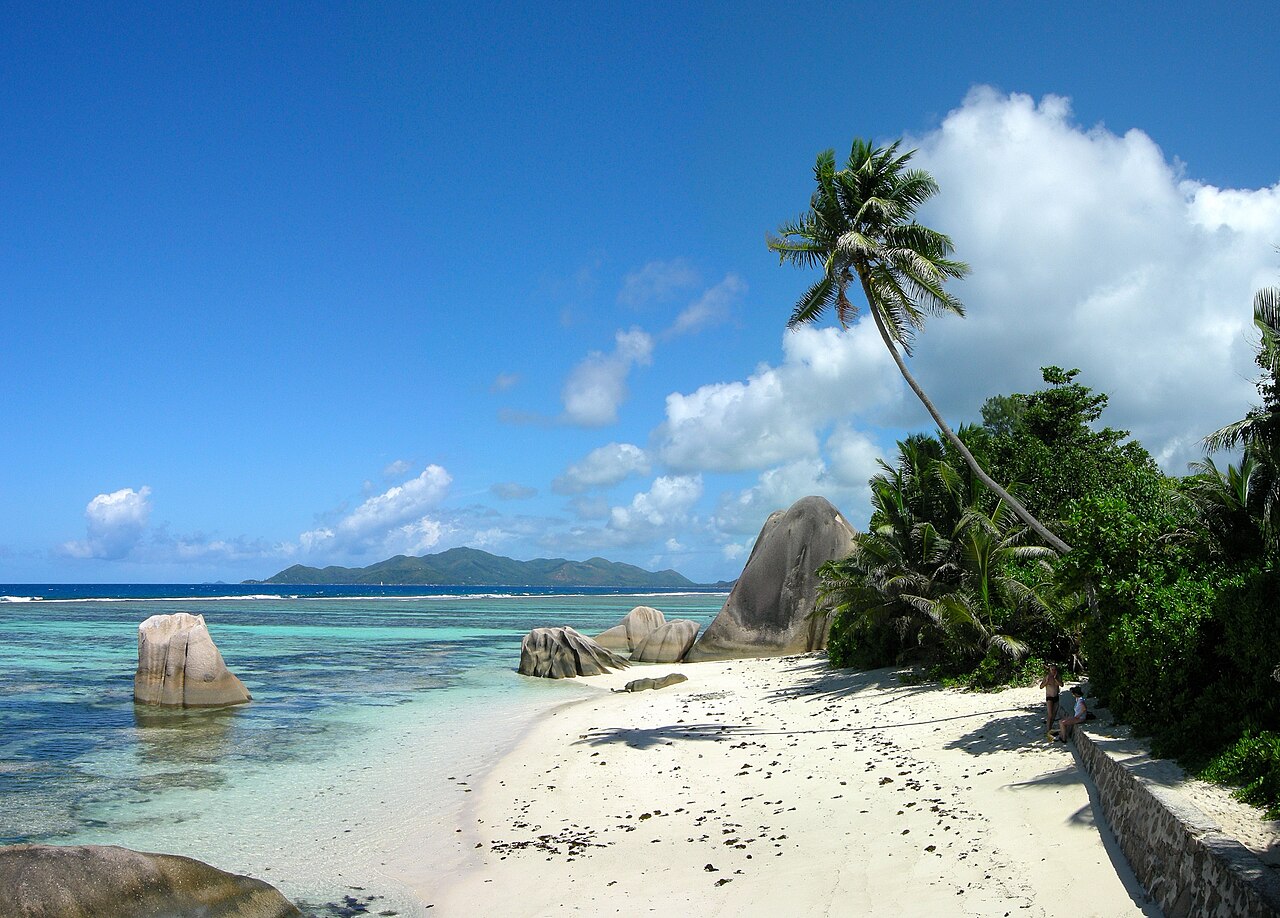
Seychelles, Indian Ocean
Seychelles: Granite Boulders and Endless Light
Ancient granite, quiet coves and forested peaks make the Seychelles feel unlike any other tropical archipelago.
Tropical Islands · 9 min read