Seychelles: Granite Boulders and Endless Light
Ancient granite, quiet coves and forested peaks make the Seychelles feel unlike any other tropical archipelago.
Seychelles, Indian Ocean · 9 min read · IGANAVI Editorial Team
Published February 18, 2026 · Updated November 16, 2026
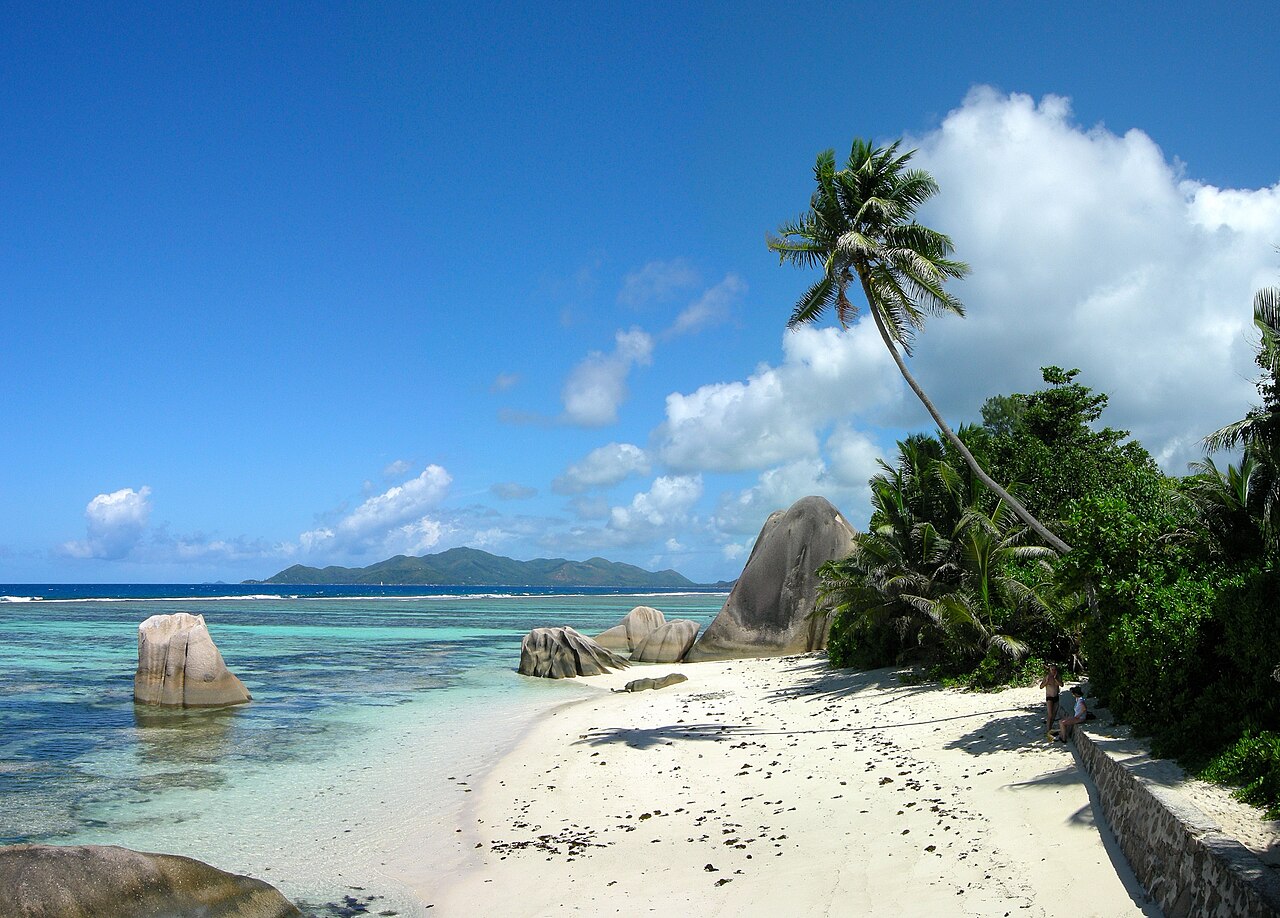
On a Seychelles beach, the boulders can be as absorbing as the sea. Granite folds into rounded shoulders, splits into narrow passages and gathers warm colour as the sun lowers. A patch of sand that seemed ordinary at noon becomes a small theatre of shadow an hour later. Sit still and the composition keeps changing.
These are not all flat coral islands. On Mahé, Praslin and La Digue, forested hills rise behind the coast, and roads or footpaths must negotiate real slopes. Understanding that combination of rock, vegetation and water helps you choose an itinerary that offers more than a sequence of beach photographs.
Three islands, three different rhythms
The Seychelles lies in the western Indian Ocean, northeast of Madagascar. Its main visitor circuit centres on the granitic inner islands. The more distant outer islands include low coral formations and require different travel arrangements; they are not casual additions to a ferry itinerary.
Mahé is the largest island and the main international gateway. Praslin offers a compact combination of beaches and remarkable palm forest. La Digue is smaller and encourages journeys by bicycle or on foot, although it is neither traffic-free nor entirely flat. None needs to be treated as merely a stepping stone to another.
For a short visit, two islands may be more satisfying than three. Every move involves packing, transfers and waiting, even when the time on the water is brief. Leave enough space for weather to change your plans and for a favourite beach to deserve a second visit.
Mahé: look beyond the arrival day
Mahé's mountain backdrop is an immediate reminder that the interior matters. Forest covers steep slopes above the coastal settlements, and a journey across the island can move quickly from humid shore to mistier upland air. Hiking here requires proper footwear, water and an honest assessment of the conditions.
Victoria provides a different scale of interest: streets, shops and the everyday business of the capital rather than an isolated holiday landscape. Allow time for a wander, checking current access and opening arrangements for any particular attraction you want to see. Markets and public buildings are working places, not stage sets.
Along the coast, Beau Vallon has a more developed beach setting, with services and activity around it. Southern and western stretches offer other moods, but a quieter beach is not automatically a safer swimming beach. Ask locally about conditions on the day, not simply whether a place is usually sheltered.
Getting around Mahé
A car can help with exploring several areas, provided you are comfortable driving on the left on winding roads that can be narrow. Choose stopping places carefully and never pull over where you obstruct traffic. The scenery is not worth a risky roadside photograph.
Public buses suit some independent journeys, but check current routes, payment arrangements and luggage policies. Taxis or prearranged transfers can be more practical with suitcases or for an early departure. Distances alone do not tell you how long a journey will take.
Praslin: forest first, beach afterwards
Praslin is often introduced through its beaches, yet the Vallée de Mai deserves time of its own. This UNESCO World Heritage site protects a remarkable palm forest, including the coco de mer. Its enormous leaves change the sound and quality of the air beneath them. Even a breeze seems to arrive in sections.
Stay on the marked trails, allow time for the interpretation and consider a guided visit if you want help understanding the forest rather than simply walking through it. The Seychelles black parrot is among the wildlife associated with Praslin, but spotting one is never guaranteed. Listening can be as rewarding as searching for movement overhead.
The coco de mer is a protected natural emblem, not a beach souvenir to collect. Buy any regulated natural products only through legitimate channels with the required documentation. Never remove seeds, plants or other material from a protected site.
Choosing a Praslin beach
Côte d'Or, also known as Anse Volbert, offers a long coastal setting with accommodation and services nearby. It can be a useful base if you prefer access to meals and excursions without arranging a separate drive each time. Boat activity and swimming conditions vary along the shore.
Anse Lazio is framed by granite and green hills, with the broad sweep of sand that makes Praslin so recognisable. Its beautiful appearance should not distract from checking the surf and currents. Sheltered-looking corners and clear water do not remove ocean risks, and conditions can change during a visit.
La Digue: slow journeys still need planning
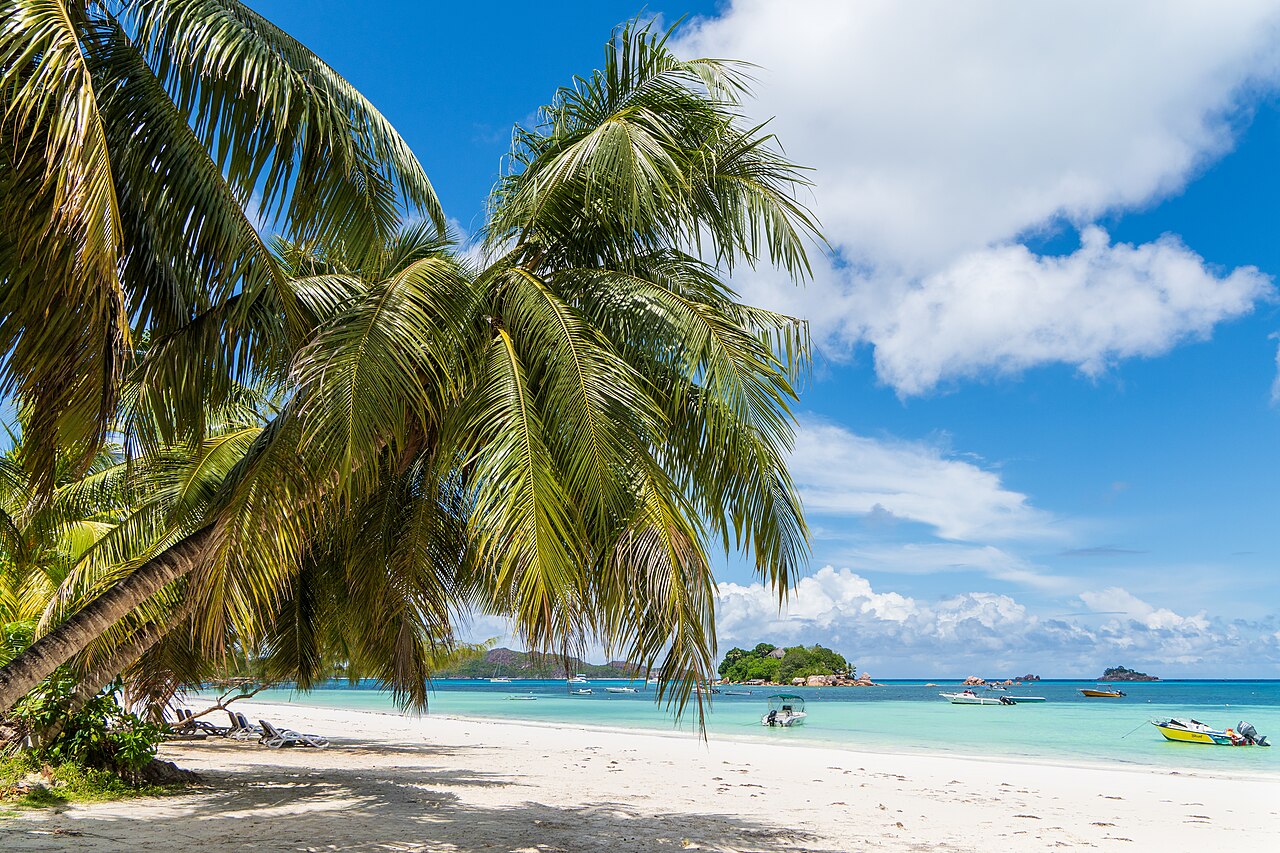
Bicycles give La Digue much of its visitor rhythm. Rent one that fits, test the brakes and gears, and ask about a suitable route before leaving. Some roads are steep, and shared routes also carry pedestrians and vehicles. Slow down through settlements and near other riders.
Carry water, sun protection and a secure way to hold your belongings. A short-looking ride can become tiring in humid heat, especially if you stop often and leave the return until midday. Dont assume every coastal path is suitable for cycling or that every beach can be reached by an easy ride.
Anse Source d'Argent and L'Union Estate
The usual visitor access to Anse Source d'Argent is through L'Union Estate, where an entrance fee applies. The estate is part of the visit rather than simply a gate on the way to the sand. Check its current opening hours, ticket conditions and payment arrangements before setting out.
Beyond the approach, granite divides the shore into smaller spaces. Move slowly between them and watch the water level: the beach's character changes with the tide. Very low water can make swimming awkward in shallow areas; higher water changes the amount of available sand and the ease of passing particular rocks.
A reef offers some protection here, but it does not make every spot safe in every condition. Avoid walking on coral or seagrass, keep clear of marine life and seek local advice about suitable swimming areas. For photographs, patience and changing light are better tools than climbing fragile vegetation or crowding another visitor's patch of shade.
The island's more exposed beaches require particular caution. Grand Anse and other open shores can have dangerous surf and currents. Obey warning signs and do not enter simply because someone else has done so. A beautiful place can be best enjoyed from dry sand.
Ferries, flights and the space between islands
Cat Cocos operates ferry services linking the main islands, while other inter-island services include connections between Praslin and La Digue. Routes, stops and departure times vary, so check the operator's current timetable rather than assuming a particular direct sailing runs every day.
The Mahé to Praslin crossing can be rough, especially in windier periods. If you are prone to motion sickness, discuss appropriate medication with a pharmacist or clinician before travel and follow the instructions. Keep essentials with you instead of packing everything into checked ferry luggage.
Domestic flights connect Mahé and Praslin; reaching La Digue normally involves continuing by boat. Compare the whole journey, including airport or harbour transfers, baggage allowances and check-in requirements. A shorter flight does not eliminate the need for onward planning.
Leave a generous buffer before an international flight. Sea conditions, operational changes and road delays can upset a tight connection. Spending the final night on Mahé can reduce the consequences of a disrupted inter-island journey, although it does not remove every travel risk.
Wind, tide and the changing light
The islands are warm throughout the year. The northwest monsoon generally brings a wetter period around November to March, while southeast trade winds are more prominent roughly May to September. The transition months, often April and October and sometimes extending into neighbouring months, can bring lighter winds and calmer seas.
Those patterns are guides, not promises. Rain showers are possible at any time, and exposed coasts can have difficult conditions even during an otherwise pleasant week. Seaweed may accumulate on different shores with seasonal winds and currents. Ask your accommodation which nearby beaches are currently comfortable rather than choosing from a fixed annual ranking.
For walking and cycling, start early and take shade seriously. For photography, return when the light changes instead of chasing another island immediately. The same boulder can look silver under cloud, nearly white at midday and copper towards evening. There is plenty reasons to stay put for a while.
Practical tips before arrival
- Complete the required Seychelles Travel Authorisation before travel through the official government system, and check current document requirements and processing arrangements.
- Check passport, onward travel and accommodation documentation requirements with official immigration sources; visa-free travel does not mean arrival without formalities.
- Confirm ferry tickets, check-in times and harbour transfer arrangements, especially when changing islands on the same day.
- Carry some Seychelles rupees for smaller purchases and check payment options before remote outings or paid site visits.
- Budget for protected-area entrances, estate access and any applicable accommodation levies, confirming current charges directly rather than relying on old figures.
- Take water on every walk or bicycle outing, and follow local swimming warnings even on apparently calm days.
Use the official Seychelles immigration and Travel Authorisation channels for entry advice close to departure. Requirements and supporting documents can change, and an accommodation confirmation is not a substitute for an approved authorisation. Save the approval where you can access it without mobile data.
Questions for an island-hopping visit
Must I visit Mahé, Praslin and La Digue?
No. Mahé alone offers beaches, forest and local life, while two islands can give a shorter trip useful variety. Add the third when you have enough nights to absorb the transfers without making every other morning a departure.
Is Anse Source d'Argent free to enter?
The usual access is through L'Union Estate and requires a paid entrance ticket. Check current terms directly, including whether re-entry is allowed. Do not plan on bypassing the estate through unsafe or unauthorised routes.
Is the Vallée de Mai only for keen hikers?
No, its appeal is the forest itself rather than an endurance challenge. However, trails have natural surfaces, slopes and potentially slippery sections. Check current route information and accessibility advice with the site if mobility or stamina is a concern.
When is the sea calmest for ferry travel?
The transition periods often offer lighter winds, but no month guarantees a smooth crossing. Check the forecast and operator advice near your travel date, keep connections flexible and choose an itinerary that can tolerate a slower day. In the Seychelles, leaving room is often the most useful plan of all.
Related guides
Maldives, Indian Ocean
The Maldives: Learning to Read the Atolls
A nation of coral rings scattered across the Indian Ocean, where choosing an atoll matters as much as choosing an island.
Tropical Islands · 8 min read
Fiji, South Pacific
Fiji's Island Chains: The Yasawas and Mamanucas
Two island groups off Viti Levu offer reef-fringed beaches, village warmth and easy access by boat.
Tropical Islands · 8 min read
Lefkada and Kefalonia, Greece
The Cliff Beaches of the Ionian Islands
Lefkada and Kefalonia hide pale beaches beneath white cliffs, where the sea glows an almost unreal blue.
Secret Beaches · 8 min read