Fiji's Island Chains: The Yasawas and Mamanucas
Two island groups off Viti Levu offer reef-fringed beaches, village warmth and easy access by boat.
Fiji, South Pacific · 8 min read · IGANAVI Editorial Team
Published April 9, 2026 · Updated November 16, 2026
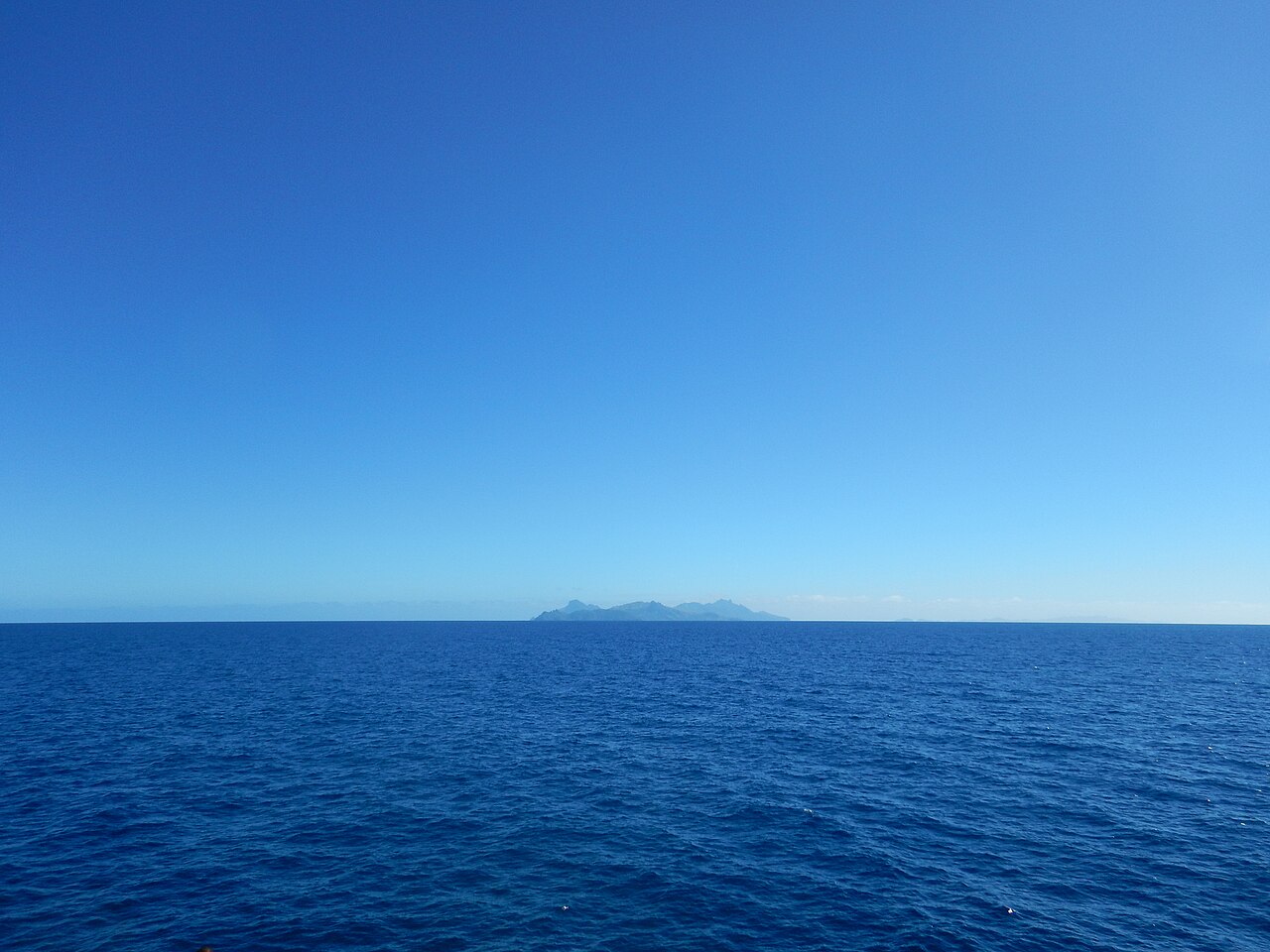
The first decision is not which beach to choose, but how much moving you want to do. West of Viti Levu, the Mamanucas offer relatively short journeys from the mainland and islands where a few unhurried days slip past easily. Farther north, the Yasawas stretch into a longer chain of volcanic ridges, village shorelines and bays where the arrival of a boat still shapes the afternoon.
Both belong to Fiji, yet they reward different kinds of trip. You can settle into one island and learn the reef outside your room, or link a handful of stays with sea crossings between them. Neither approach needs a packed activity list. The trick is leaving enough time for the place beyond the postcard.
Choosing between the two chains
The Mamanucas for an easier start
The Mamanuca Islands sit closer to the Nadi side of Viti Levu. Many scheduled resort transfers and excursions leave from Port Denarau, reached by road from Nadi International Airport. Proximity makes this group useful after a long flight, although a late arrival can still mean a mainland overnight before your boat.
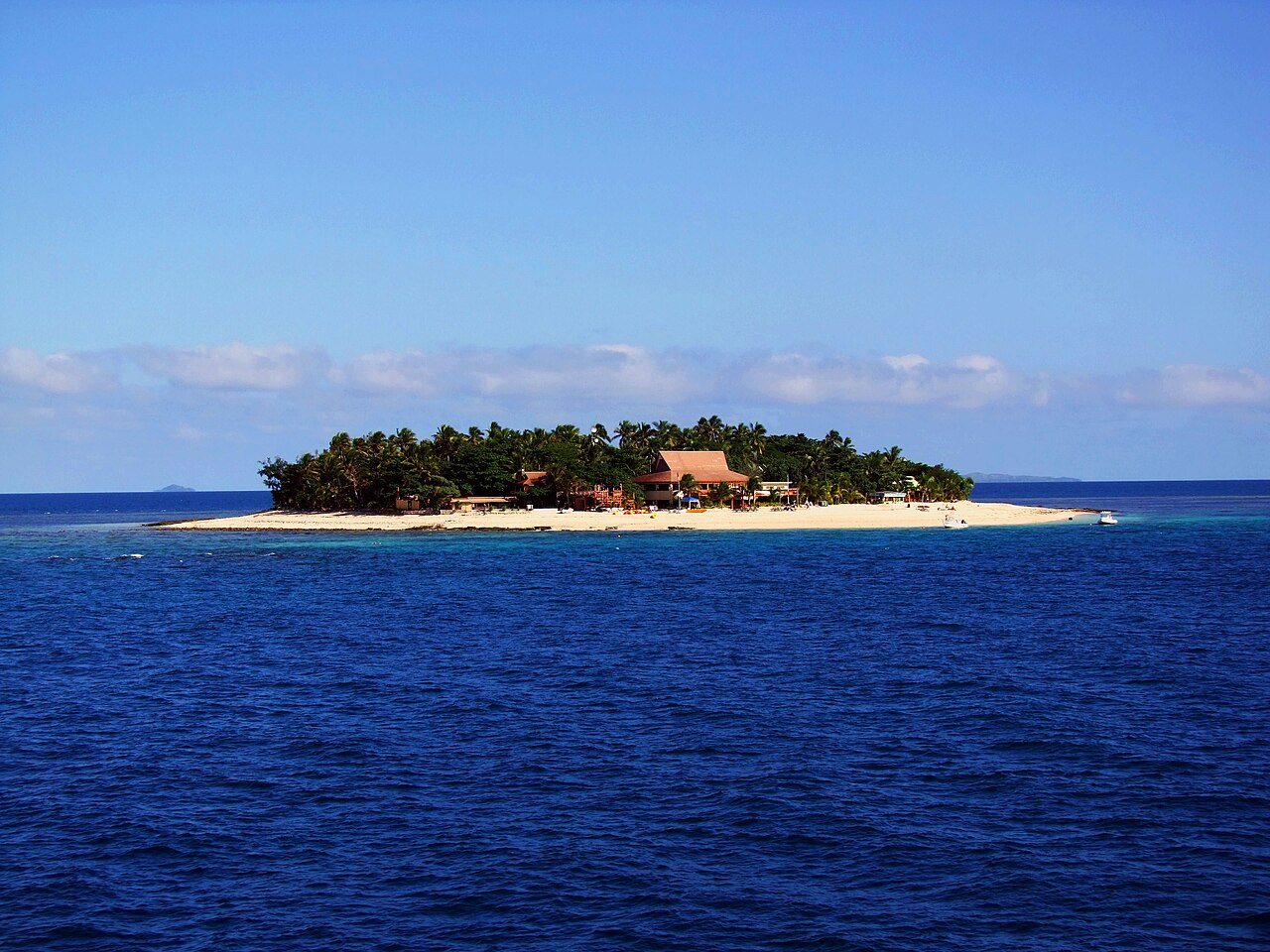
Accommodation ranges from sociable island properties to secluded resorts. Some islands are low and sandy; others have hills, villages or longer shorelines. Do not assume every island is a tiny sand circle, or that every beach has safe swimming at every tide. Ask about the particular shoreline rather than relying on a photograph of the group.
A short transfer also makes the Mamanucas practical for families, but the details matter more than the label. Check shaded space, meal arrangements, swimming supervision and whether reaching your room involves steps or sand paths. A sheltered-looking lagoon is not a substitute for watching children near water.
The Yasawas for a longer island journey
In the Yasawas, grassy slopes rise behind beaches and headlands divide one bay from the next. Some stays are comfortable resorts; others are modest lodges with shared facilities or family connections to a nearby village. Remote does not automatically mean rustic, and locally run does not describe every property. Read the actual arrangements carefully.
Hopping between two or three islands can reveal more than racing through many. A longer stay gives you another chance when wind cancels snorkeling, time to join an arranged village visit, and a morning when walking to a ridge feels more appealing than boarding another transfer. There is less clock-watching when your next boat is several days away.
Getting out from the mainland
Scheduled boats from Port Denarau, including services such as the Yasawa Flyer, connect travellers with island stops. Routes, stopping patterns and operating arrangements can change. Confirm the current timetable directly with the operator and have your accommodation explain exactly how the final transfer works. At some stops, a smaller boat meets the main vessel offshore.
Distances increase as you travel north through the Yasawas. Do not treat the furthest island as a quick extension of a mainland day trip. Compare arrival times, check-in arrangements and the journey back before deciding how many stops to make. A connection that looks tidy on paper may leave little room for weather or delays.
If your international flight leaves on a fixed date, consider returning to Viti Levu the previous day. Travel insurance should cover the activities you intend to do and the consequences of disrupted transport. Keep essential medicines, valuables and a change of clothes in a small bag protected from spray.
Village visits are invitations, not attractions
A village visit is most rewarding when arranged through hosts who know the community and its expectations. Ask before arriving independently. Villages are homes, with church commitments, family responsibilities and customary rules that do not exist for a visitor's convenience.
Sevusevu is a customary presentation made when seeking welcome or permission, often involving yaqona, the kava root. Your host or guide should advise whether it is appropriate and arrange the correct offering. It is not simply a souvenir exchange or a guarantee that any activity will be allowed. Kava drinking may follow, but the social meaning matters more than the novelty of the drink.
Dress modestly, usually covering shoulders and knees, and carry a sulu or another suitable wrap. Remove hats where requested, follow guidance about footwear, and ask before photographing people. Sunday can be especially quiet because of church observance. Accepting an invitation to a service means respecting the congregation rather than treating it as a performance.
If you do not wish to drink kava, explain politely through your host. There is no need to turn participation into a test of endurance. Listen first; a little patience does more than a rehearsed speech about local culture.
Reading the reef before entering it
A beach can look perfectly still while a channel nearby carries a strong current. Ask where to enter, where boats pass and whether the tide affects the route back. Snorkel with a companion, stay within your abilities and use a guided trip when the conditions or site are unfamiliar.
Coral is living habitat, not a foothold. Avoid standing on it, trailing fins across it or collecting shells that may contain animals. Sun protection is best built around clothing, shade and carefully chosen sunscreen rather than assuming a marketing label makes any product harmless. Give turtles and other wildlife room to move away.
Parts of the Yasawas are associated with seasonal manta encounters. Sightings depend on conditions and animal movements, not an appointment. Choose guides who limit disturbance, explain how to position swimmers and never encourage touching or chasing. A quiet wait can be more memorable than a frantic pursuit.
For diving, check operator credentials, equipment procedures and the experience required for each site. Leave appropriate time between diving and flying, following recognised dive guidance. The reef will still be there if you decide a rough-water excursion is not for you.
Days away from the water
Hill walks offer a different view of the chains, especially when low sunlight picks out the ridges and reef edges. Ask permission before crossing village or customary land, use a guide where advised and start before the strongest heat. Exposed grassy slopes can be surprisingly tiring, even when the summit looks close.
Back near the shore, the pleasure may be ordinary: a shaded lunch, watching a supply boat unload, or a conversation with your hosts about the weather. There is a kind of calm that arrives only after you stop checking what comes next. Leave a little room for that too.
Weather and the shape of a stay
Roughly May to October is generally the drier, cooler part of the year. Trade winds can still make crossings bumpy and affect exposed beaches. A clear sky does not guarantee a smooth boat ride, so discuss the day's conditions with the people operating it.
November to April is broadly the wetter, hotter period and the main tropical cyclone season. Rain may arrive as a short downpour or persist longer, and severe weather can disrupt transport. Follow Fiji Meteorological Service advice and local instructions rather than assuming a booked itinerary will continue unchanged.
Choose accommodation for rainy hours as well as sunny ones. Somewhere comfortable to sit, reliable drinking water and a realistic understanding of electricity or internet provision all matter. On smaller islands, supplies and repairs depend on transport from elsewhere.
Practical tips for island days
- Confirm whether meals and drinking water are included, and discuss dietary needs before travelling.
- Carry enough cash for agreed local expenses, with smaller notes where possible; do not assume a remote island has an ATM.
- Bring a reusable bottle, sun hat, protective swim clothing and footwear suitable for rough paths.
- Tell hosts about mobility needs, especially if transfers involve small boats or wet landings.
- Pack a dry bag for electronics and keep luggage manageable for boat handling.
- Check phone coverage and charging arrangements rather than expecting mainland connectivity.
- Take packaging and difficult waste back to the mainland when practical, following your host's disposal guidance.
A small torch is usefull after dinner, when paths can be dark and uneven. Keep it pointed down so it helps your footing without lighting up everyone else's evening.
Questions before you go
Can I combine the Mamanucas and Yasawas?
Yes, with enough time and a workable transfer plan. Compare actual boat connections rather than assuming every island links directly to every other. For a short holiday, one well-chosen base can be more satisfying than repeated moving.
Do I need to visit a village to experience Fiji?
No. An arranged visit can be meaningful, but it should never be forced into a checklist. Respectful exchanges with hosts and guides are valuable too. If you do visit, let the community set the terms.
Are the islands suitable for non-swimmers?
They can be, provided you choose carefully. Ask about land activities, safe access to boats and whether suitable flotation equipment is available. Do not assume a shallow lagoon is risk-free, and tell activity staff plainly about your confidence in water.
How long should I stay on each island?
Several nights generally give you breathing space for weather and a slower day. There is no compulsory circuit. Choose fewer stops if transfers would otherwise dominate, and leave yourself enough margin to return to the mainland without a last-minute rush.
Related guides
Maldives, Indian Ocean
The Maldives: Learning to Read the Atolls
A nation of coral rings scattered across the Indian Ocean, where choosing an atoll matters as much as choosing an island.
Tropical Islands · 8 min read
Seychelles, Indian Ocean
Seychelles: Granite Boulders and Endless Light
Ancient granite, quiet coves and forested peaks make the Seychelles feel unlike any other tropical archipelago.
Tropical Islands · 9 min read
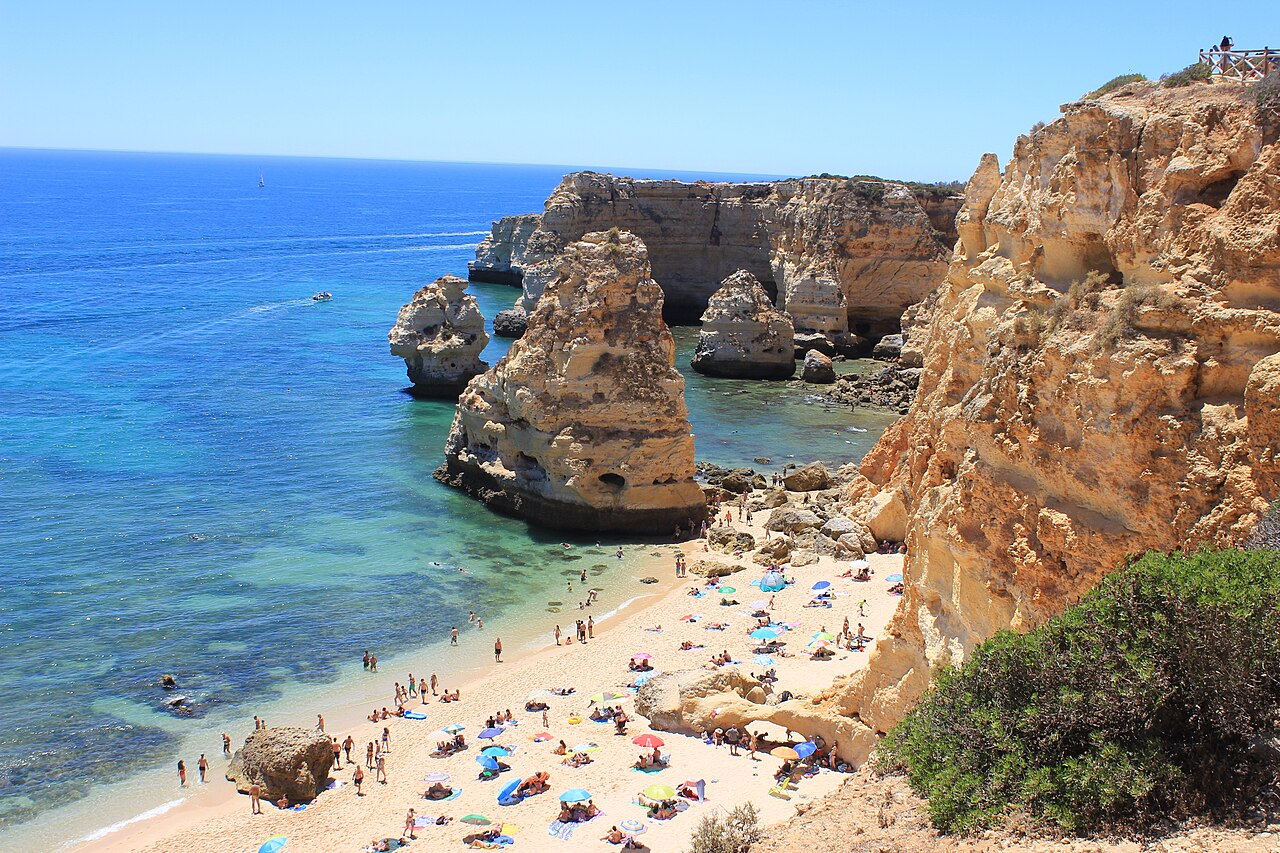
Algarve, Portugal
The Algarve's Golden Coves
Sea caves, rock arches and sheltered sand pockets line Portugal's southern coast between Lagos and Carvoeiro.
Secret Beaches · 8 min read