The Maldives: Learning to Read the Atolls
A nation of coral rings scattered across the Indian Ocean, where choosing an atoll matters as much as choosing an island.
Maldives, Indian Ocean · 8 min read · IGANAVI Editorial Team
Published March 4, 2026 · Updated November 16, 2026
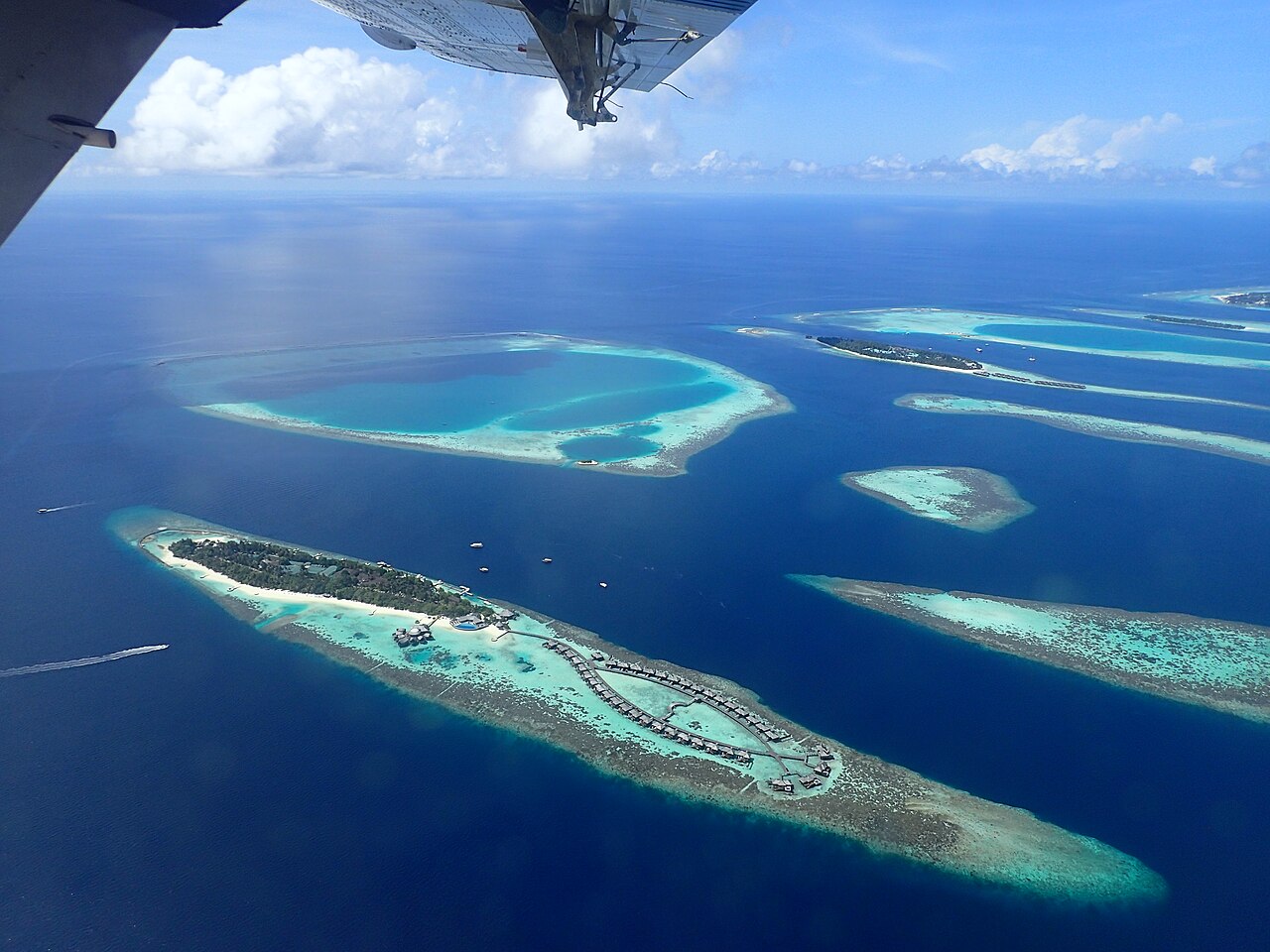
From the air, the Maldives begins to make geographical sense. A pale oval opens inside a darker reef; a channel cuts through it; tiny islands occupy only a little of the available space. The blue is not decoration. It describes depth, shelter, exposure and the routes that boats must follow. Choosing where to stay becomes more interesting once you start reading that map.
The resort photograph tells only part of the story. Two islands with similarly inviting beaches may offer very different swimming, transfers and access to reefs. Start with the shape of the atoll, then ask what daily life on your particular island will feel like.
What an atoll actually contains
The Maldives lies in the Indian Ocean southwest of India and Sri Lanka. Its islands sit within a chain of coral atolls, although the administrative divisions used in addresses do not always match the natural formations neatly. An atoll is not necessarily a perfect closed ring. Passages interrupt the outer reef, and islands may sit along its edge or within its lagoon.
Inside some lagoons are faros, smaller ringlike reef structures surrounding shallow water. From a seaplane these can look like miniature atolls within an atoll. They help explain why a chart shows such an intricate patchwork rather than a simple band of sand around one deep pool.
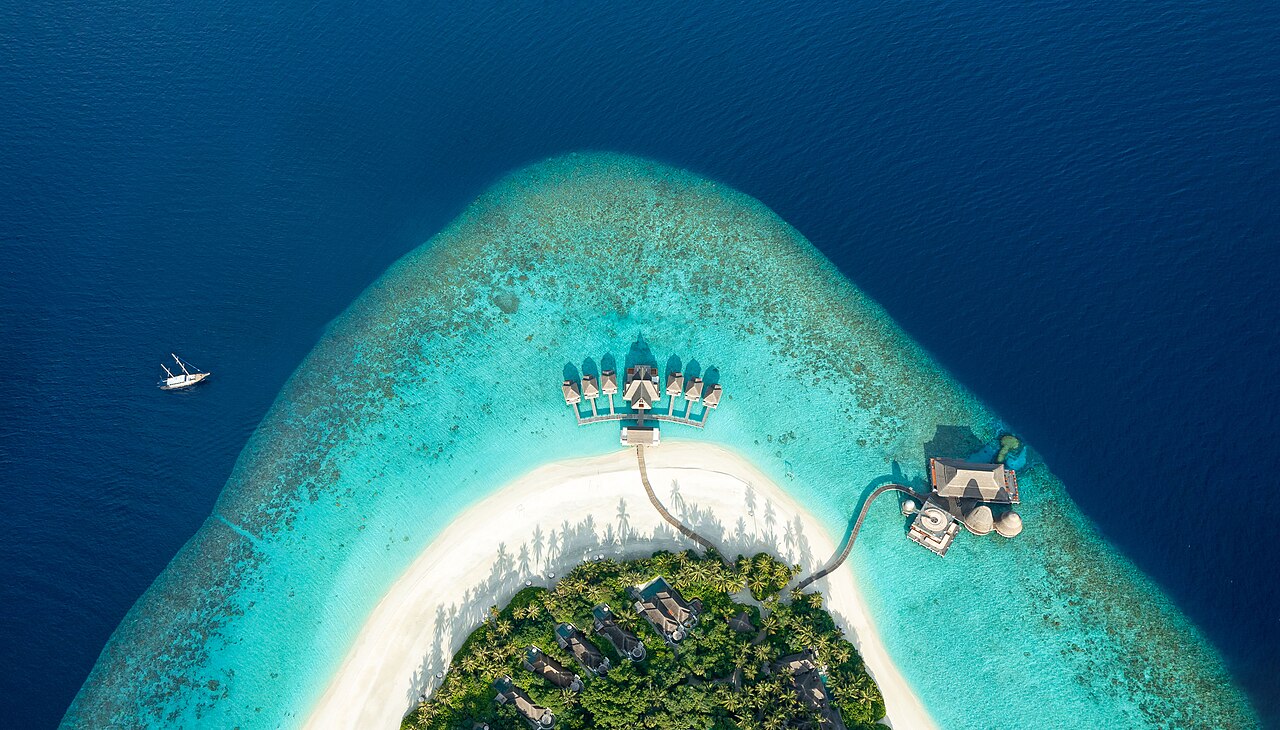
Coral has built the framework, while waves and currents move the sediment that forms the islands. Beaches can change with the seasons. A broad sandy corner in one photograph might be narrower during your visit, without the whole island having changed character.
Lagoon swimming or a house reef?
A shallow lagoon can be lovely for floating, paddling and watching the colour shift. It does not automatically mean good snorkeling directly from shore. A house reef may lie close to one beach, beyond a long swim elsewhere, or require a boat excursion.
Ask where the permitted reef entry points are, whether there are strong currents and what happens at low tide. Confident pool swimming is not the same as managing an ocean current. There is no shame in choosing a guided first outing, even if you have snorkeled before.
Transfers are part of the geography
Velana International Airport, beside the capital Malé, is the main international gateway. Your next journey is not a minor detail to settle after choosing a room. It influences the cost, arrival experience and how much usable time a short holiday contains.
Nearby islands are commonly served by speedboat. Some boats operate after dark, but schedules and weather restrictions depend on the operator. A short distance on a map can still produce a lively crossing when wind and waves are against you. Ask about the actual scheduled service rather than assuming an immediate departure.
Seaplanes link the airport area with many more distant resort islands. They normally operate in daylight, making the timing of your international flight important. Shared flights may involve waiting or intermediate stops, and baggage allowances can differ from those of your international airline. Keep essential medicines and a change of clothes accessible.
Domestic flights use regional airports, usually followed by a boat transfer. They can make distant parts of the country practical without a seaplane, and some services operate after dark. Nevertheless, the final boat connection still needs checking. Dont assume a late domestic arrival guarantees a same-night island transfer.
Remoteness is not a reef rating
A distant atoll can feel wonderfully removed from airport traffic. That alone does not establish the condition of its coral or the quality of its wildlife encounters. Bleaching, storms, local pressures and recent water temperatures affect reefs across the archipelago. Ask for a realistic account of current conditions, not just a gallery of older underwater photographs.
Resort islands and inhabited islands
On a dedicated resort island, accommodation, meals, excursions and transfers are usually organised within one operation. This can be restful, particularly when you want little daily planning. It also means that the island's size, meal arrangements and available activities matter more than they might in a town with alternatives around the corner.
Guesthouses on inhabited local islands offer another rhythm. You might pass a school on the way to breakfast, watch supply boats unload or eat fish curry in a neighbourhood cafe. Some islands have a substantial visitor economy; others remain much quieter. A guesthouse is not a promise of solitude or an untouched village.
The Maldives is a Muslim country. Alcohol is not served on inhabited local islands; licensed resorts and certain licensed tourist vessels operate under different arrangements. Do not bring alcohol into the country. If access to a drink matters to your holiday, understand the distinction before selecting accommodation.
Dress modestly around residential streets and public spaces, and use designated tourist beaches for bikinis and similar swimwear where these are provided. Local expectations vary in detail, so ask your host. During Ramadan, be particularly considerate about eating and drinking in public and check restaurant opening arrangements.
Following the water, not chasing a checklist
A good snorkeling morning can be remarkably modest: one accessible reef, a patient guide and enough time to notice what is happening. Parrotfish scrape at the reef surface. Small fish retreat together into branching shelter. A turtle may pass, but its appearance should remain a possibility rather than a service you have purchased.
Stay horizontal above the reef and keep fins clear of coral. Never stand on it, touch wildlife or pursue an animal for a photograph. Protective clothing reduces sun exposure without depending entirely on sunscreen. Marketing terms such as reef-safe are not a substitute for checking ingredients and avoiding unnecessary products in the water.
Diving adds channels, deeper reef slopes and more demanding current conditions to the picture. Choose sites appropriate to your certification and recent experience. Allow the required interval between diving and flying, following your training agency's guidance and your operator's advice for the actual dive profile.
Hanifaru Bay needs particular care
Hanifaru Bay lies in Baa Atoll, within the Baa Atoll UNESCO Biosphere Reserve. Seasonal plankton concentrations can attract feeding manta rays and sometimes whale sharks. This is a managed marine encounter, not an unrestricted swimming stop, and sightings are never guaranteed.
Access is controlled through permits, authorised arrangements and ranger oversight. Snorkeling is permitted under site rules; scuba diving is not permitted in the bay. Visitor numbers and time in the water are managed, and touching, chasing or obstructing animals is unacceptable. Confirm current rules, required fees and operating conditions with the reserve authorities or an authorised operator before going.
Do not choose dates on the strength of a single spectacular video. Feeding activity depends on conditions, tides and plankton movement as well as the broader season. Sometimes the most responsible decision is to wait, or to accept that the bay is not offering that encounter today.
Reading the monsoons
The northeast monsoon generally brings the drier period, roughly December to April. The southwest monsoon, broadly May to November, tends to bring more wind, showers and unsettled seas. These are useful planning patterns, not fixed daily forecasts. Rain can fall in the drier season, and the wetter months can contain long bright spells.
Underwater visibility and plankton concentrations vary between atolls and between sides of the same atoll. Conditions that reduce visibility can also support feeding opportunities for larger animals. Ask about your intended activity in your intended location rather than asking simply for the country's best month.
A little flexibility help on a short stay. Leave room for a boat trip to move by a day, and avoid making every important activity depend on one weather window. Sandbanks are especially changeable places, affected by tide, wind and the movement of sand itself.
Practical tips for choosing an island
- Get the full transfer arrangements in writing, including arrival cutoffs, baggage rules, waiting arrangements and any overnight stop.
- Ask whether snorkeling is from shore or by boat, and whether equipment, guiding and boat trips are included.
- Compare the total stay cost, including meals, transfers, taxes and compulsory charges, rather than the room alone.
- Pack modest clothing for inhabited islands and check the location of designated swimwear beaches.
- Carry seasickness remedies if appropriate, after checking medical advice, and keep important items in a small water-resistant bag.
- Use refill facilities where offered and take batteries and difficult-to-recycle personal waste away when practical.
Questions before you go
Can I combine a local island and a resort?
Yes, but the transfer may need to go back through the airport area rather than directly across the water. Check both properties' arrangements before committing. A combination works best when the journeys leave enough time to enjoy each place.
Is a seaplane always better than a speedboat?
No. A seaplane offers a memorable aerial view, but daylight limits and shared schedules may not suit your flights. A speedboat to a nearby island can be simpler. Choose the complete journey, not just the most photogenic section.
Can I count on seeing manta rays?
No wildlife sighting is certain. Pick a suitable area and season, use a responsible operator and regard any encounter as a privilege. Never accept feeding, chasing or crowding as the price of getting close.
Is the wetter season worth considering?
It can be, especially if your priorities fit local marine conditions and you tolerate weather changes. Build in spare time and check which excursions operate. The reward is not guaranteed sunshine, but the chance to experience the atolls without demanding that every day look identical.
Related guides
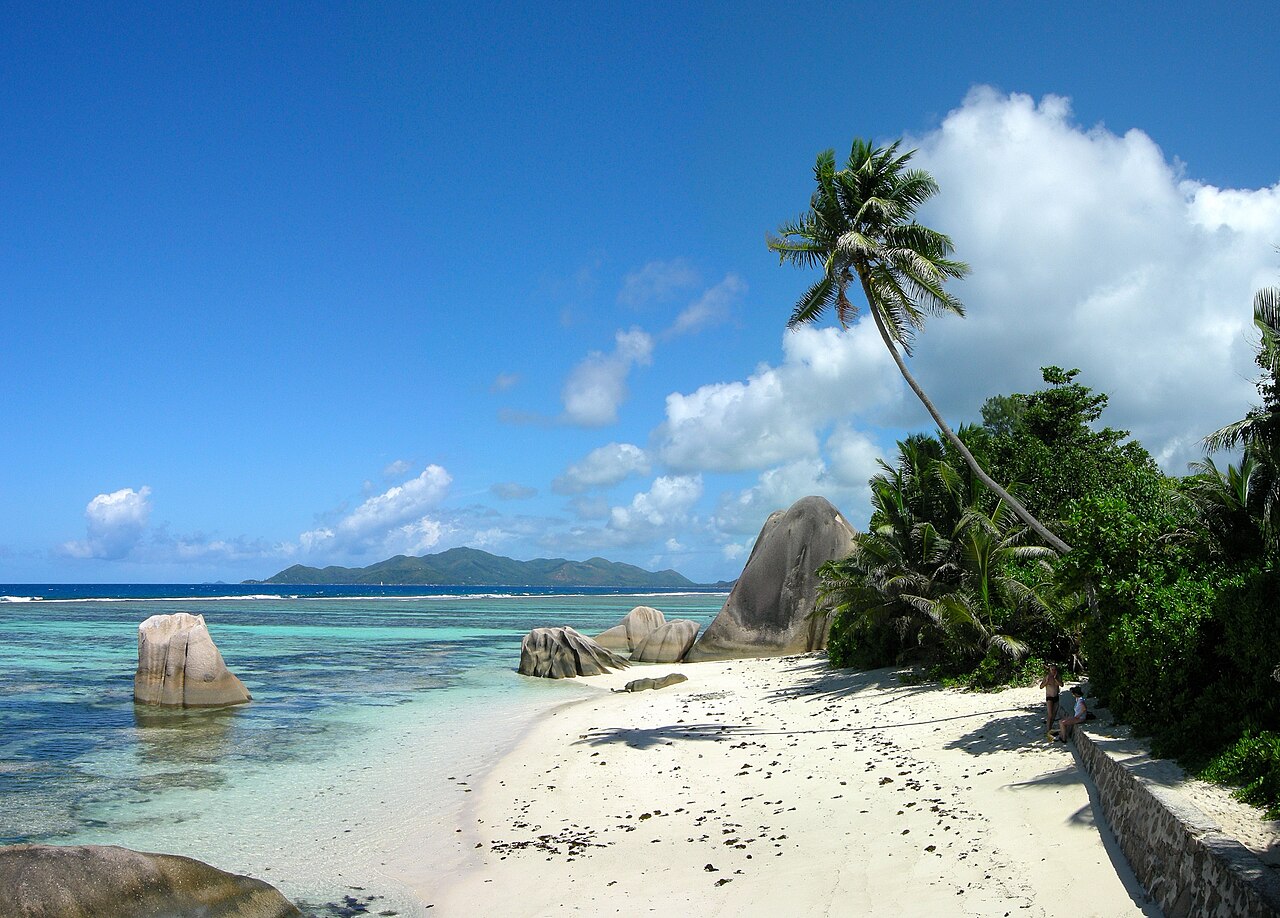
Seychelles, Indian Ocean
Seychelles: Granite Boulders and Endless Light
Ancient granite, quiet coves and forested peaks make the Seychelles feel unlike any other tropical archipelago.
Tropical Islands · 9 min read
Fiji, South Pacific
Fiji's Island Chains: The Yasawas and Mamanucas
Two island groups off Viti Levu offer reef-fringed beaches, village warmth and easy access by boat.
Tropical Islands · 8 min read
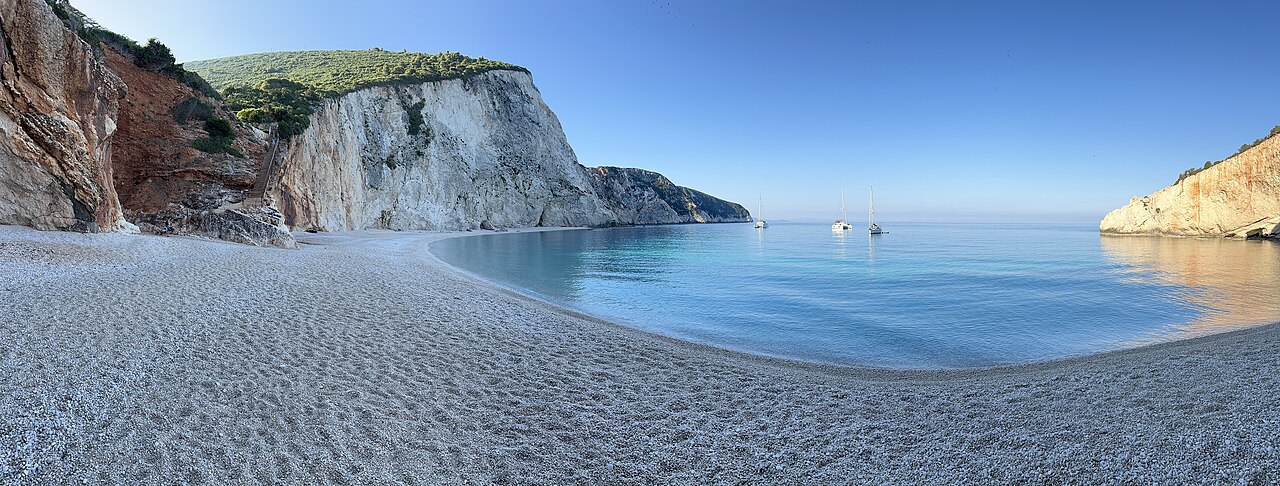
Lefkada and Kefalonia, Greece
The Cliff Beaches of the Ionian Islands
Lefkada and Kefalonia hide pale beaches beneath white cliffs, where the sea glows an almost unreal blue.
Secret Beaches · 8 min read