The Whitsundays and the Great Barrier Reef
Silica-white sand, sailing channels and coral gardens make the Whitsundays a classic ocean playground.
Queensland, Australia · 8 min read · IGANAVI Editorial Team
Published June 12, 2026 · Updated November 16, 2026
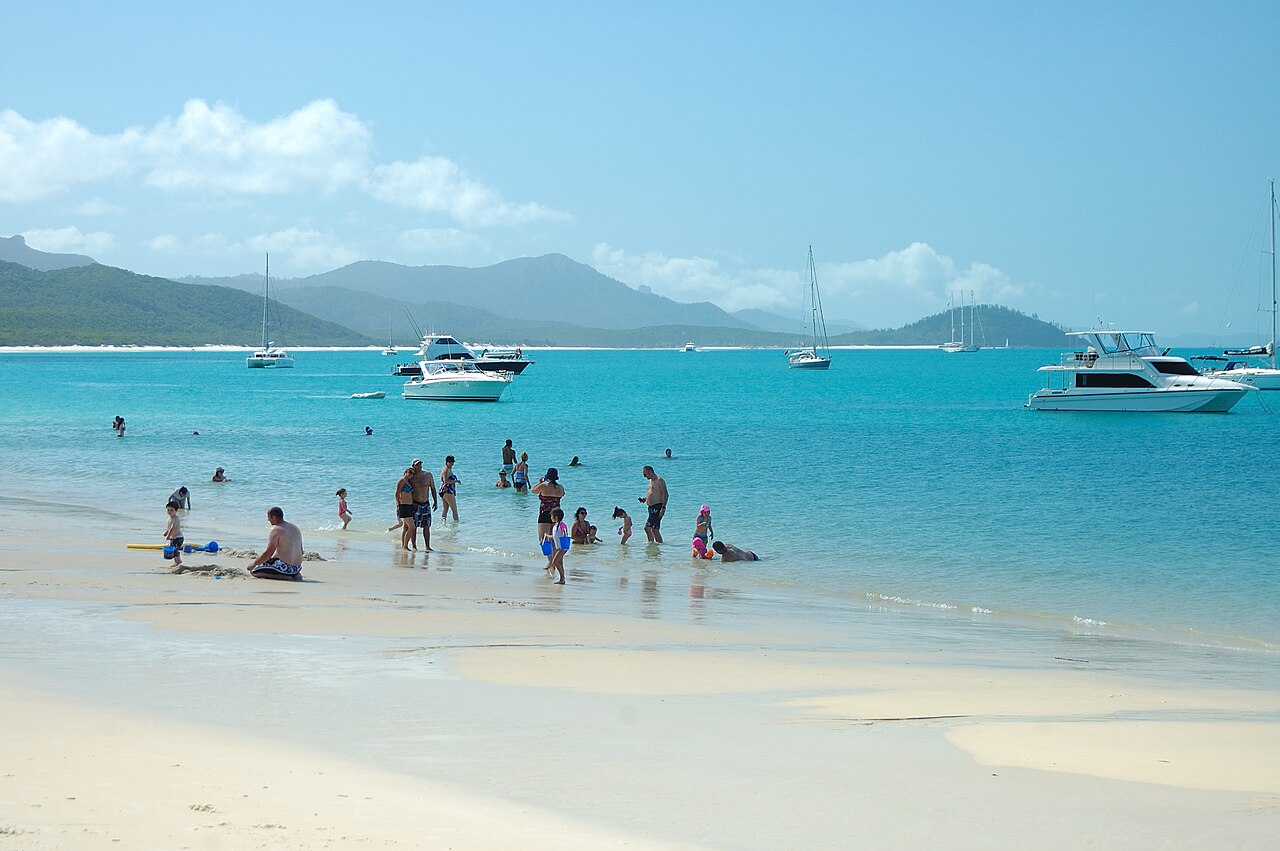
From Airlie Beach, the Whitsunday Islands look like dark green ridges scattered across a bright sea. Close up, the picture becomes more complicated and more interesting: wooded slopes, tidal channels, anchorages tucked behind headlands and coral communities beneath the surface. Whitehaven's white sand is one reason to come. The chance to spend proper time on the water is another.
These continental islands were once connected to the mainland before rising sea levels separated them. They sit within the Great Barrier Reef World Heritage Area, with surrounding waters protected through the Great Barrier Reef Marine Park and other management arrangements. Much of the island landscape is national park. This is a living marine environment, not simply a sequence of beaches, and weather has a say in every itinerary.
Start by deciding what kind of water day you want
A beach excursion, a sailing trip and an outer reef visit offer different experiences. They may share turquoise water in the brochure, but they do not necessarily visit the same places. Read the actual itinerary before choosing a departure, particularly if Hill Inlet or time snorkelling is your priority.
Airlie Beach is the main mainland gateway, with tours leaving from marinas in and around town. Confirm the precise departure point and check-in time with your provider. Flights through Whitsunday Coast Airport near Proserpine require an onward transfer to Airlie Beach, while Hamilton Island has its own airport and island transport connections. Allow sensible transfer margins rather than expecting a flight arrival to connect neatly with a boat.
For a first visit, it helps to leave a little space between major excursions. An arrival afternoon on the mainland, a beach day and a separate reef day make a less rushed introduction than trying to squeeze everything into one outing. Wind or a changed sailing schedule can otherwise unravel a tightly packed plan.
Whitehaven Beach and Hill Inlet
Whitehaven Beach lies on Whitsunday Island, not on the mainland and not on Hamilton Island. Its fine, bright sand is composed largely of silica. The beach faces a sweep of blue water, backed by vegetation rather than a strip of shops. Bring what your excursion requires and expect a natural setting with limited facilities.
Hill Inlet is at the northern end of Whitehaven Beach, also on Whitsunday Island. Here the tide moves through channels and over sandbanks, creating the shifting pale and blue patterns seen in aerial photographs. The lookout is reached on foot via designated tracks from boat landing areas; the exact approach depends on your tour and conditions.
The lookout is not the same as the beach stop
Some trips spend time on the southern part of Whitehaven without including Hill Inlet. Others combine a lookout walk with beach time near the northern end. Ask what is included, how long you will be ashore and whether the walking route suits your mobility. A vessel's name or a photograph on a listing cannot answer those questions.
Tides influence the patterns at Hill Inlet, but there is no single view guaranteed by choosing a particular hour. Cloud, wind and the amount of exposed sand all change the scene. Let your skipper manage safe access rather than treating a photograph as a timetable.
Wear shoes for the walking tracks and carry drinking water. The bright sand reflects sunlight strongly, and a breeze can disguise how quickly you are getting hot. It is easy to loose track of time while watching the channels change colour.
Island reefs and the outer Great Barrier Reef
There are fringing reefs around some Whitsunday islands, as well as outer reef destinations farther offshore. An island snorkelling stop may fit neatly into a sailing itinerary. An outer reef excursion usually involves a longer passage and a day focused more squarely on the underwater experience. Neither label guarantees visibility or a particular wildlife encounter.
Ask where a trip normally operates, what happens if conditions change and how much time is allocated to the water. Also check whether beginners receive instruction and whether non-swimmers can participate in any activities safely. Glass-bottom viewing or other alternatives may be offered on some vessels, but they are not universal.
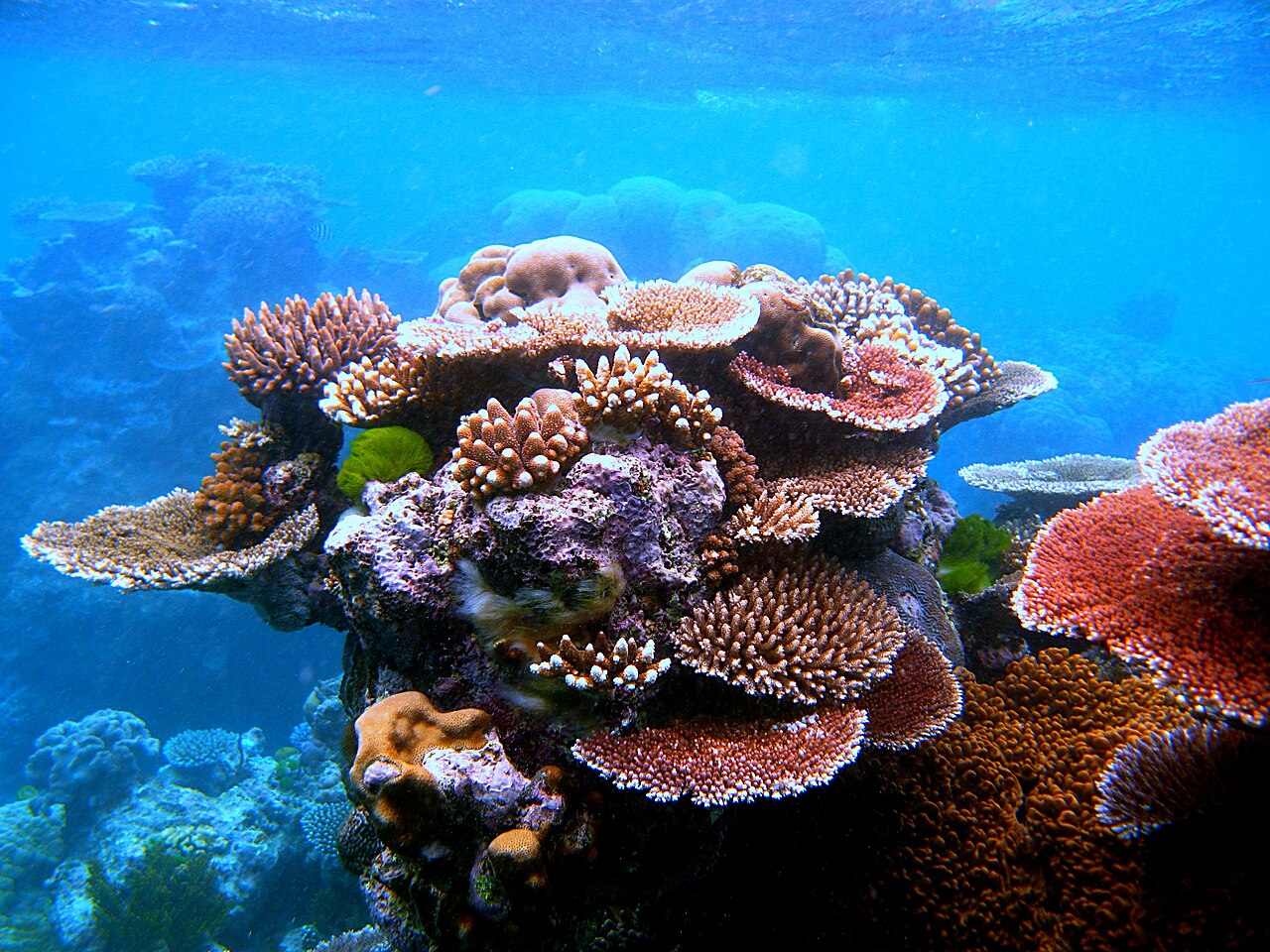
Flynn Reef, shown here, is in the Cairns region farther north, rather than a local Whitsundays excursion site. It illustrates the wider reef system, not a promised stop on a boat leaving Airlie Beach. When comparing trips, use named destinations in the current itinerary rather than assuming all Great Barrier Reef photographs show nearby water.
What you might see beneath the surface
Reef fish, hard and soft corals, turtles and many smaller creatures are part of the appeal. Visibility varies with wind, tides, rainfall and the site itself. Turtles and other animals move freely; no responsible plan can promise that one will swim past at the right moment.
Coral bleaching, caused by prolonged heat stress, and other pressures have affected the Great Barrier Reef. Conditions differ between sites and change over time. For a realistic picture before travelling, consult current information from the Great Barrier Reef Marine Park Authority and ask operators about the places they are actually visiting. Avoid both the claim that everything is pristine and the assumption that there is nothing worthwhile left to see.
Sailing: let the route breathe
A sailing trip brings the islands into a different rhythm. Headlands pass slowly, lunch happens between anchorages, and an overnight stay lets you hear the boat settle after the day's movement. Crewed day sails and longer trips suit visitors who want someone else handling navigation and meals, although inclusions vary considerably.
Before joining an overnight vessel, ask about sleeping arrangements, shared bathrooms, luggage limits and how much sailing versus motoring is typical. Small boats can feel sociable or cramped depending on what you enjoy. Seasickness is also worth considering before departure; seek advice from a pharmacist or clinician if you need medication.
Bareboat charters are another option for people with suitable competence and experience. Providers assess requirements and give briefings, but a briefing is not a substitute for sound seamanship. Tides, weather, reef navigation and permitted anchorages demand attention. Follow current charts, zoning rules and instructions for using public moorings, and never anchor on coral.
Seasons, stingers and swimming decisions
The cooler, generally drier months, roughly May to October, often suit visitors seeking lower humidity. They are not reliably windless. Strong trade winds can make crossings uncomfortable and alter snorkelling plans. The warmer wet season, broadly November to April, brings higher humidity, heavier rain at times and the possibility of tropical cyclones. Check forecasts and cancellation arrangements rather than assuming year-round departures mean identical conditions.
Marine stinger risk is higher roughly November to May, although dangerous jellyfish can be present outside that period. Wear a full-body stinger suit when entering the sea, especially during the higher-risk months, and follow crew instructions and local warnings. A suit reduces exposure but does not remove every risk. Do not handle jellyfish washed onto the beach.
Swim only where your crew or local safety advice indicates it is appropriate. Currents around channels and headlands can be strong. Tell the crew if you are an inexperienced swimmer, use the flotation equipment they recommend and remain within the supervised area. The shallows is not automatically the safest place.
Humpback whales pass through the region during their cooler-season migration, often around July to September. Sightings are possible rather than assured. Watch from a respectful distance and allow operators to follow the applicable approach rules; wildlife should never be pursued for a closer photograph.
Practical tips for the Whitsundays
- Check whether your trip visits Whitehaven Beach, Hill Inlet, island fringing reefs or the outer reef. These are different itinerary elements.
- Carry a refillable water bottle, a secure hat, sunglasses and high-protection sunscreen. Use clothing and shade as your first line of sun protection.
- Confirm whether stinger suits, snorkelling equipment, meals and transfers are included with the official provider.
- Keep a dry layer and essential belongings in a splash-resistant bag, following the vessel's luggage rules.
- Never stand on coral, touch marine animals or feed fish. Keep fins clear of the reef and practise floating before approaching shallow coral.
- Check Queensland Parks guidance before island camping. Permits are required for national park camping, and boat access must be arranged separately.
- Leave shells, coral fragments and sand where they belong, and take rubbish back to appropriate mainland facilities.
A responsible operator should explain safe behaviour clearly and make room for questions. Look for evidence of environmental practice rather than relying on a vague green label. On the day, good buoyancy control and listening to the briefing matter more than any souvenir promising to help the reef.
Questions worth asking before departure
Can I reach Whitehaven Beach by road?
No. Whitehaven is on Whitsunday Island and has no road connection from Airlie Beach. Most visitors arrive by boat, with some flight-based experiences also available. Confirm landing arrangements, weather limitations and what time on the ground is included.
Will a Whitehaven tour also visit the outer reef?
Not necessarily. Many beach and sailing trips remain around the islands and may use fringing reef snorkelling sites. Outer reef trips are a distinct option. Check the named destinations rather than relying on the broad phrase Great Barrier Reef.
Do I need a stinger suit in winter?
Risk is generally higher from November to May, but stingers are possible year-round. Follow current local advice and your crew's instructions; wearing protective clothing outside the main season can still be sensible. No month makes the ocean risk-free.
What happens if the weather changes?
Routes, landing places and activities may change, or departures may be cancelled. Ask the provider about its current weather policy and keep some flexibility in your stay. A sheltered island stop can still be memorable even when the original outer reef plan is not safe to run.
Related guides
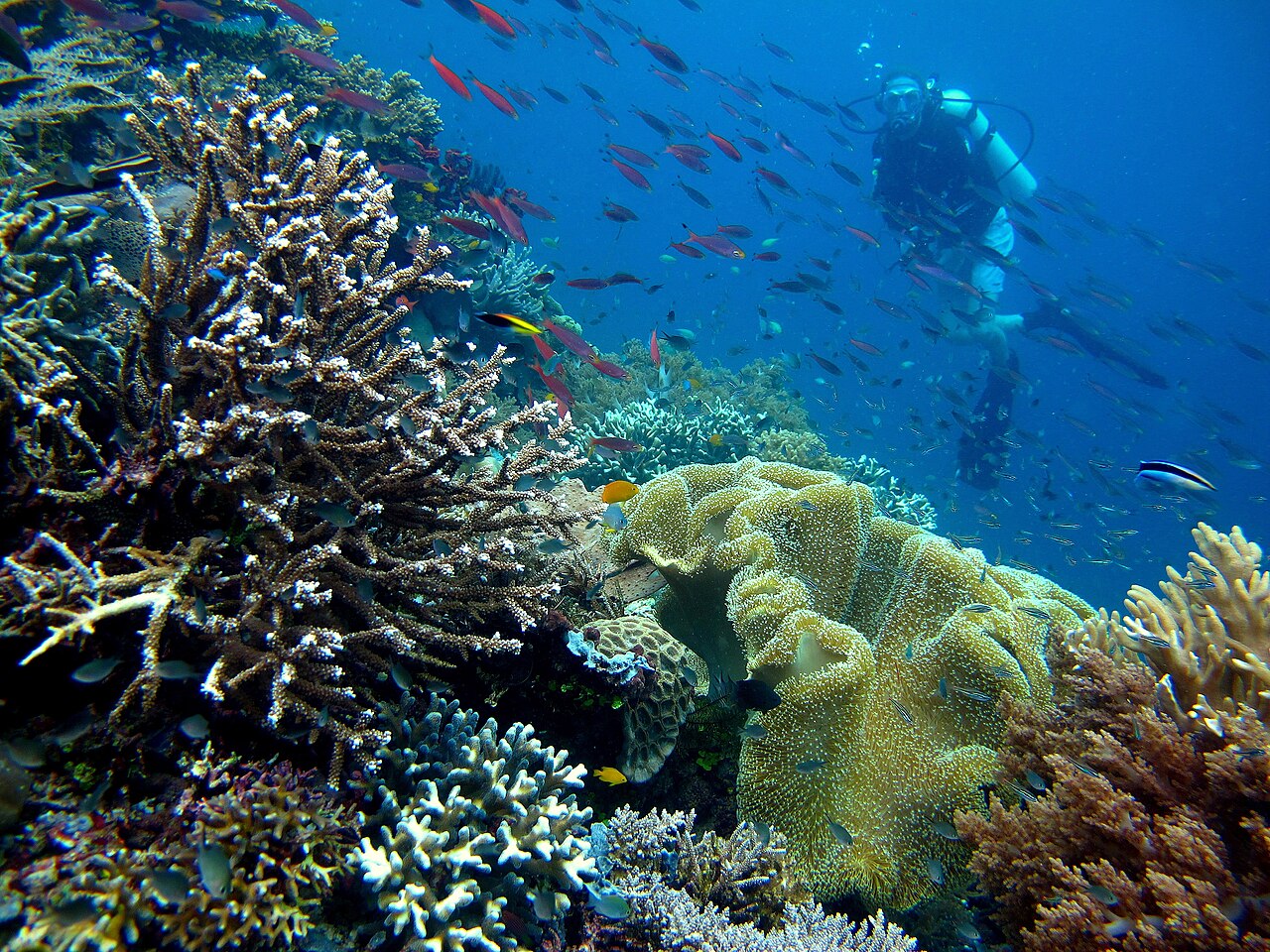
West Papua, Indonesia
Raja Ampat: A Coral Kingdom at the Edge of the Map
Karst islands, lagoons and some of the richest reefs on the planet make Raja Ampat a dream for ocean lovers.
Ocean Adventures · 9 min read
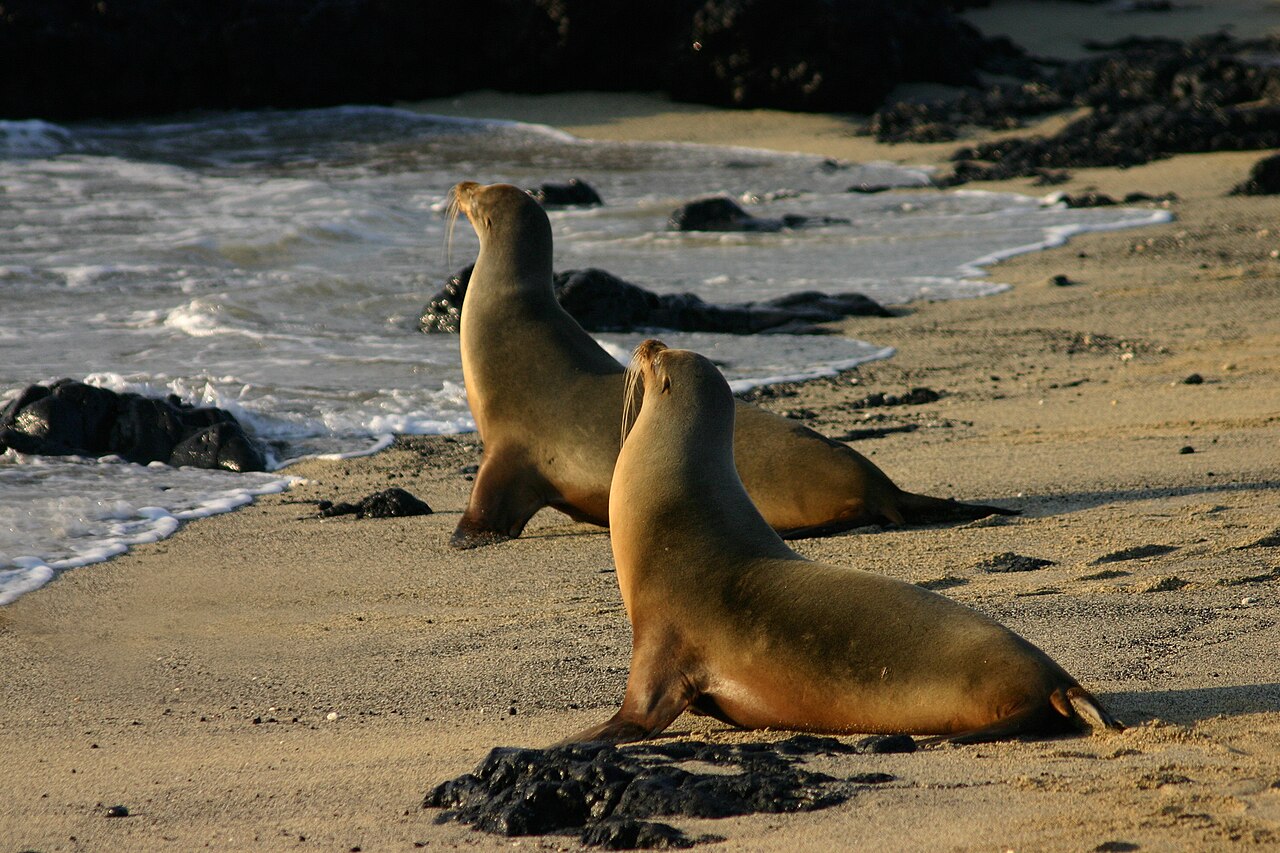
Galápagos Islands, Ecuador
The Galápagos: Wildlife Without Fear
Sea lions, marine iguanas and curious fish make the Galápagos one of the most remarkable places to meet ocean life.
Ocean Adventures · 8 min read
Maldives, Indian Ocean
The Maldives: Learning to Read the Atolls
A nation of coral rings scattered across the Indian Ocean, where choosing an atoll matters as much as choosing an island.
Tropical Islands · 8 min read