The Galápagos: Wildlife Without Fear
Sea lions, marine iguanas and curious fish make the Galápagos one of the most remarkable places to meet ocean life.
Galápagos Islands, Ecuador · 8 min read · IGANAVI Editorial Team
Published April 28, 2026 · Updated November 16, 2026
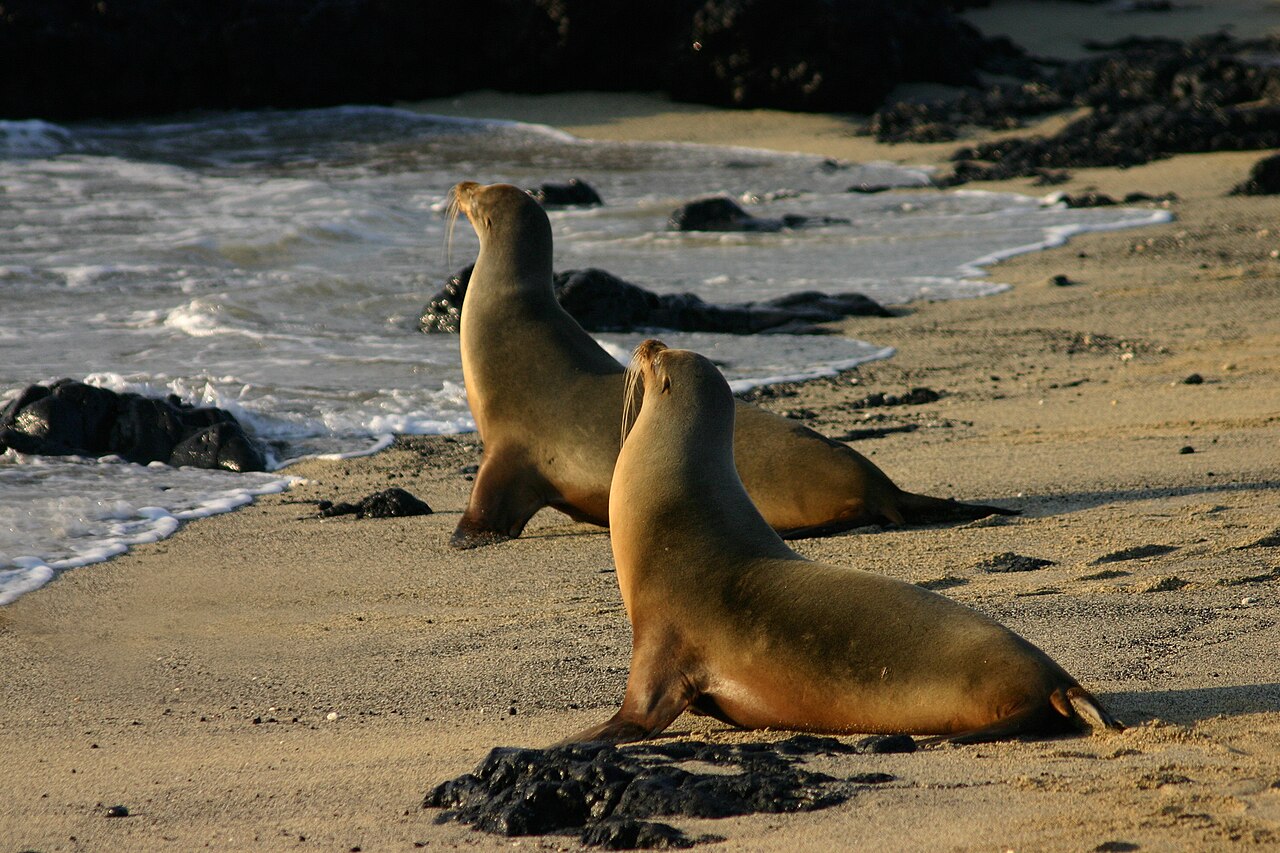
The first surprise may be an animal refusing to move. A sea lion occupies the convenient stretch of pavement; a marine iguana lies across the path like a piece of mislaid lava. In the Galápagos, people are often the ones who must step aside. That reversal is part of the islands' fascination, and a useful introduction to how a visit should work.
Many animals here show little fear of people. This is not an invitation to approach them. The privilege is watching ordinary wild behaviour at a respectful distance, whether that means a bird tending its nest or a turtle surfacing beside a snorkeling group. You are entering their space, not a wildlife performance.
An ocean shapes the encounter
The Galápagos lie in the Pacific, roughly a thousand kilometres west of mainland Ecuador. Volcanic islands, some still active, rise from waters influenced by interacting currents. Those currents help explain why a tropical latitude does not always mean warm swimming, and why marine life is such a compelling part of the experience.
Much of the land is protected within Galápagos National Park, with extensive surrounding waters protected as marine reserve. Visitor access follows designated routes and conditions. An island visible from your boat is not necessarily somewhere you may land, and an empty beach is not automatically open for independent exploration.
Expect variety rather than a fixed parade of animals. Sites, seasons, weather and chance all affect what appears. Planning an entire journey around one species can obscure the smaller encounters that make these islands so absorbing: a fish cleaning station, a shorebird picking over lava, the sudden movement of an apparently motionless iguana.
Cruise or land-based stay?
This choice changes the rhythm of the trip more than almost anything else. Neither approach is automatically more authentic or responsible. Look closely at the actual itinerary, authorised operator and time spent travelling, rather than relying on the label alone.
Living aboard
A licensed expedition cruise links approved visitor sites while providing accommodation aboard. It can reach places impractical on day trips, and some passages happen overnight. Days commonly revolve around guided landings, short boat excursions and opportunities to enter the water when conditions allow.
Read the route carefully. Different vessels visit different islands, and itineraries are not interchangeable. Ask about physical demands, wet landings, equipment, group arrangements and rough-water procedures. Light sleepers and anyone prone to seasickness should consider that the boat is also the bedroom.
Sleeping ashore
Staying on inhabited islands such as Santa Cruz, San Cristóbal or Isabela offers time in towns, local restaurants and access to nearby permitted attractions. Day trips can add guided wildlife sites and snorkeling excursions. A land-based holiday is not necessarily a holiday without boats, however; popular outings can involve lengthy crossings.
Choose a base according to the experiences available from it. Repeated island transfers consume time and can be uncomfortable in rough seas. Leave breathing room around connections rather than arranging a demanding day trip immediately before an essential flight or transfer.
The shoreline rewards patience
Galápagos sea lions rest on beaches, docks and rocks, sometimes directly beside daily town life. Give them room and never position yourself between an animal and its route to the sea. Be particularly cautious around territorial males and mothers with young. A sleeping animal can wake and move surprisingly quickly.
Maintain at least two metres from wildlife, including when taking photographs, and follow any greater distance required by your guide or site rules. If an animal approaches, do not touch it or encourage contact. Move away calmly when possible, and let your guide manage the situation if the path is blocked.
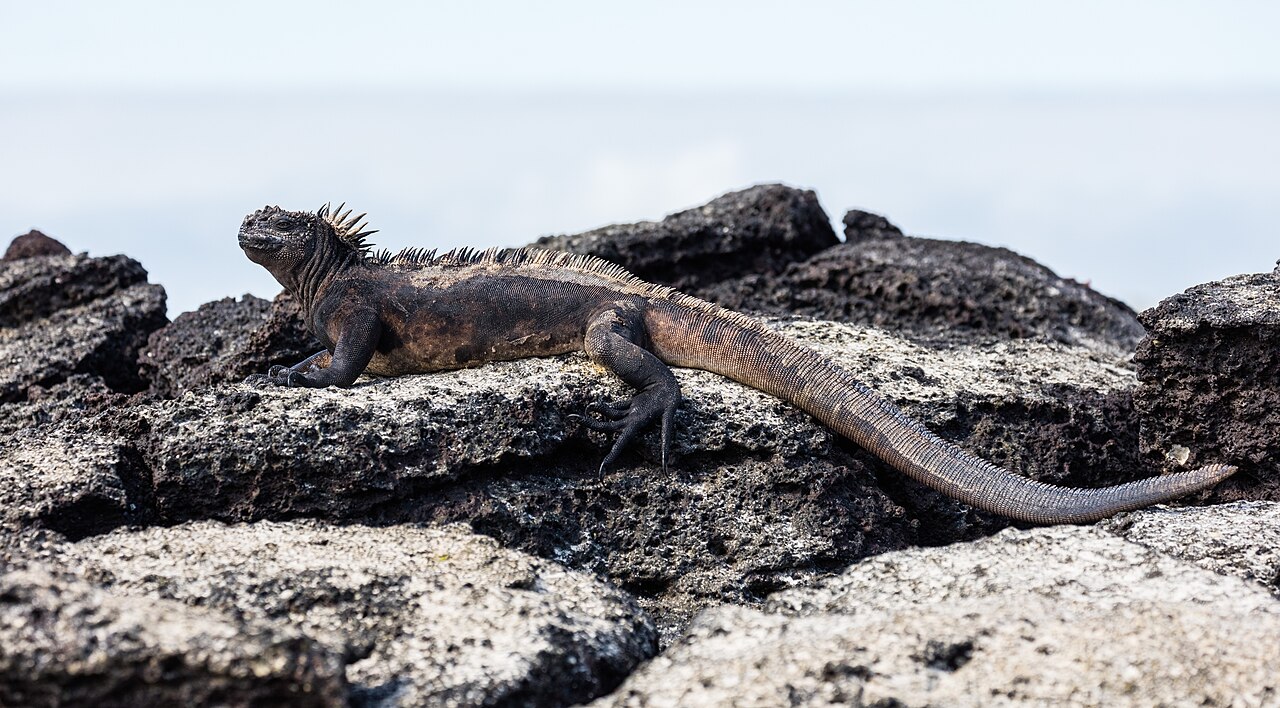
Marine iguanas feed on marine algae and warm themselves on dark rock after spending time in the water. Their flattened tails, claws and salt-expelling sneezes make more sense when you watch them for a while. Look down before every step: a small iguana can blend almost perfectly into the lava.
Watch without arranging the scene
Never lure an animal into better light, make noises to provoke a reaction or move vegetation around a nest. Flash photography is not permitted for wildlife. Keep camera equipment close to your body on narrow paths and allow animals an unobstructed escape route.
It is tempting to keep taking pictures because the subject stays put. Try lowering the camera instead. A few quiet minutes often reveal more than another close-up, and give the rest of the group room to observe without crowding.
Beneath the surface
Snorkeling can reveal sea turtles, rays, reef fish and sharks, with sea lions or penguins possible at suitable sites. None is guaranteed. The Galápagos penguin has a restricted distribution within the archipelago, so ask whether your proposed itinerary actually visits appropriate areas rather than assuming penguins occur at every beach.
Water temperature varies with season, location and current. Ask what exposure protection is appropriate and whether a well-fitting wetsuit is included or available to rent. Fit matters: a loose suit may be less useful than its advertised thickness suggests. Try masks before departure if possible and tell the guide honestly about your swimming confidence.
Let the guide set the boundaries
Conditions may include swell, currents, surge near rocks and reduced visibility. Stay with the group, follow entry and exit instructions and keep clear of propellers. A flotation aid can help some swimmers, but it does not make an unsuitable site safe. Skipping a session is a perfectly reasonable decision.
Never chase turtles, dive towards resting sharks or pursue a sea lion that has lost interest. Avoid touching the bottom or standing on marine organisms. There is definately enough to notice without trying to turn an encounter into a game.
Scuba diving requires separate planning. Some celebrated offshore sites involve strong currents and demanding conditions, and are not appropriate for beginners. Discuss recent experience and certification honestly with a licensed dive operator. Confirm suitable insurance, equipment arrangements and the necessary interval between diving and flying.
Rules are part of the experience
At national park visitor sites, visits generally require an authorised naturalist guide, with specific exceptions for designated independently accessible areas. Do not assume that a route described online as walkable is open without a guide. Check with the Galápagos National Park Directorate or an authorised local provider for the particular site.
Stay on marked trails, respect visiting schedules and leave shells, rocks and other natural material where they are. Do not feed animals. Drone use is restricted and requires appropriate authorisation; a holiday camera drone is not something to launch casually over a colony.
Biosecurity matters just as much as behaviour around wildlife. Clean footwear and outdoor equipment before travelling and between excursions. Declare items as instructed, and check restrictions on food, seeds, plants and animal products before carrying anything from mainland Ecuador or between islands. Inspection requirements exist to prevent introductions that can damage island ecosystems.
Seasons without a perfect month
The broadly warmer period runs from about December to May, often bringing warmer water, sunshine and showers. Roughly June to November is generally cooler, with nutrient-rich waters, coastal cloud or garúa mist, and potentially choppier crossings. These are patterns, not promises: ocean conditions and events such as El Niño can alter expectations.
Wildlife activity changes across the year and differs between islands. Ask about the species and behaviour relevant to your dates, but be wary of guaranteed sightings. Choose an itinerary you would enjoy even if one hoped-for encounter does not happen.
Practical tips before departure
Entry administration deserves attention before you reach the airport. Visitors normally need a transit control card, commonly called the TCT, as well as payment of the Galápagos National Park entry fee. These are separate requirements, not two names for the same charge. Amounts and exemptions depend on visitor category, so verify current details through official sources rather than an old itinerary.
- Check current TCT procedures, entry documents, park fees and accepted payment methods before leaving mainland Ecuador.
- Allow time for airport biosecurity inspections and follow instructions for checked and hand luggage.
- Confirm whether excursions include an authorised naturalist guide, snorkeling equipment, transfers and any required charges.
- Bring sun-protective clothing, a hat and suitable sunscreen, while avoiding claims that any sunscreen is entirely harmless to marine life.
- Pack prescribed medicines and ask a clinician or pharmacist about seasickness remedies before travel.
- Use a dry bag for boat journeys and footwear suited to both hot lava paths and the landings on your itinerary.
Leave a little flexibility in your final island days. Weather and transport changes can affect connections, and a rushed transfer adds little to the trip. The islands rewards patience more reliably than a tightly packed schedule.
Questions before you travel
How close can I get to the animals?
Keep at least two metres away, with more space whenever required or sensible. Never touch, feed or pursue wildlife. If an animal closes the distance, stay calm, avoid contact and follow your guide's directions rather than treating it as permission for a close photograph.
Do I need a guide everywhere?
Not everywhere in the inhabited areas, and certain designated attractions allow independent access. National park visitor sites generally require an authorised naturalist guide. Confirm the rules for each specific location before setting out.
Can a land-based visit still offer good snorkeling?
Yes. Permitted shore locations and authorised day trips can provide rewarding opportunities. Check swimming requirements, journey lengths and likely conditions carefully. Choose outings for their suitability, not simply the length of the wildlife list.
Is there a best season for everything?
No single period delivers every species, warm water and calm crossings at once. Match the route to your interests and comfort, then arrive ready to notice what is actually there. An unplanned encounter, observed without interference, is often the one that stays with you.
Related guides
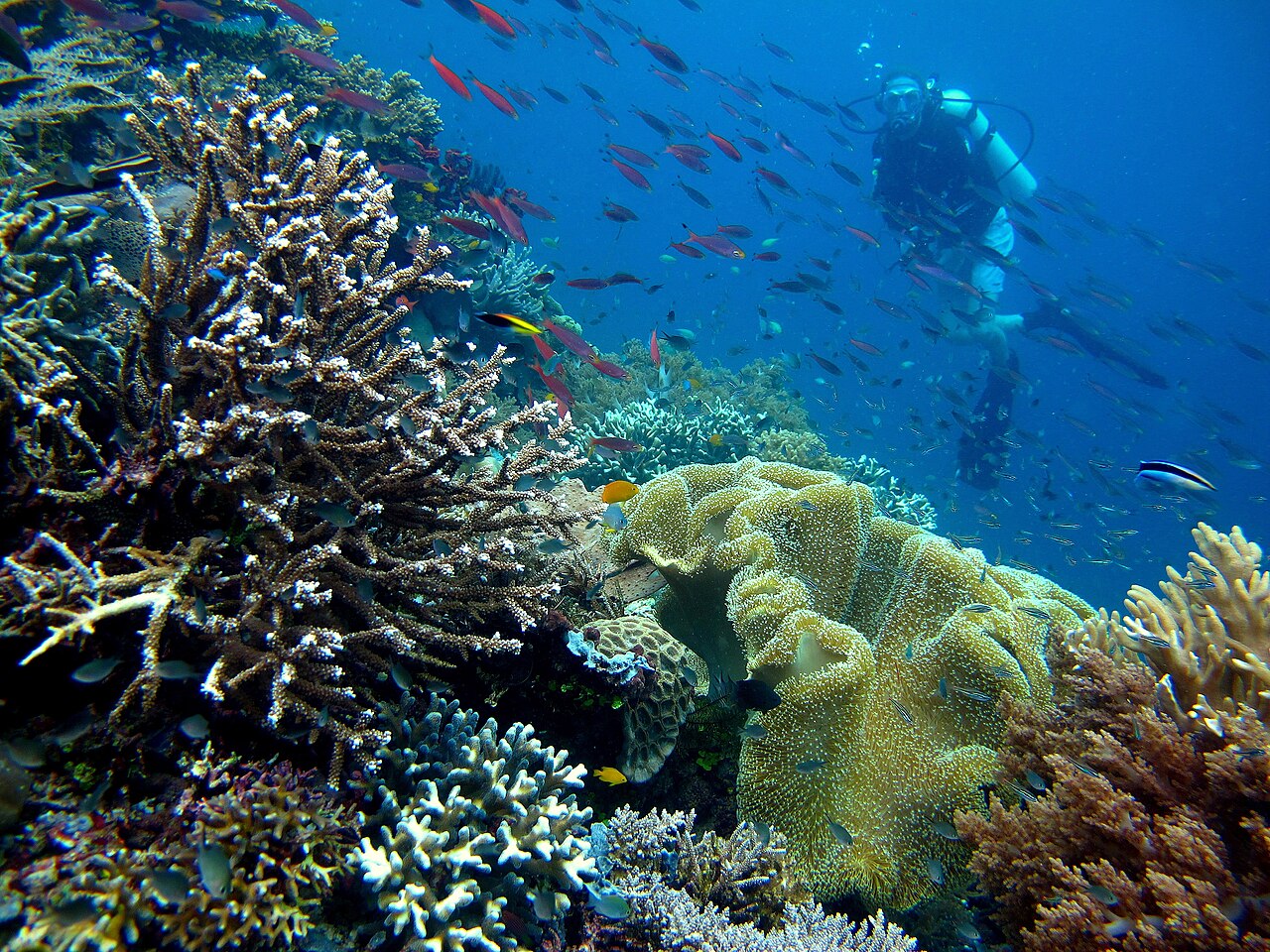
West Papua, Indonesia
Raja Ampat: A Coral Kingdom at the Edge of the Map
Karst islands, lagoons and some of the richest reefs on the planet make Raja Ampat a dream for ocean lovers.
Ocean Adventures · 9 min read
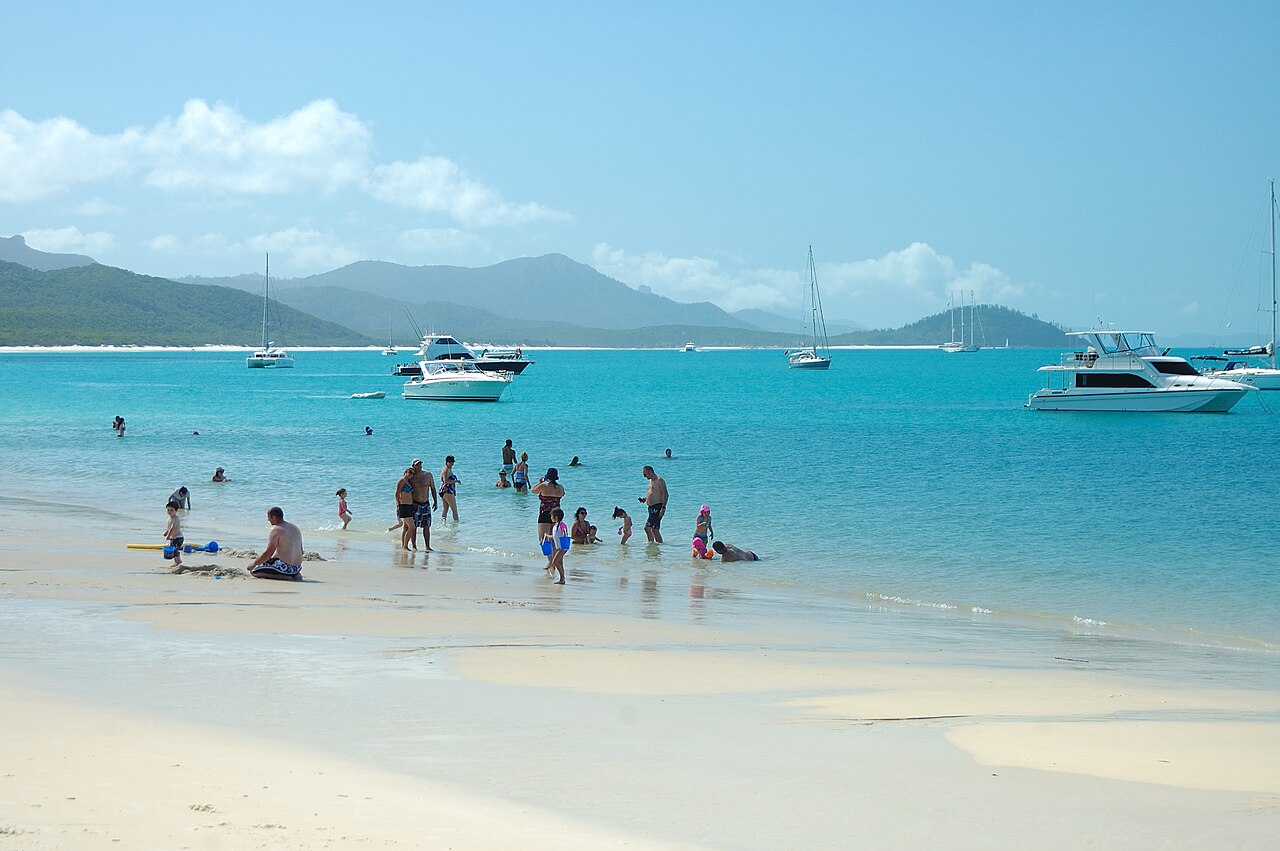
Queensland, Australia
The Whitsundays and the Great Barrier Reef
Silica-white sand, sailing channels and coral gardens make the Whitsundays a classic ocean playground.
Ocean Adventures · 8 min read
Seychelles, Indian Ocean
Seychelles: Granite Boulders and Endless Light
Ancient granite, quiet coves and forested peaks make the Seychelles feel unlike any other tropical archipelago.
Tropical Islands · 9 min read