Raja Ampat: A Coral Kingdom at the Edge of the Map
Karst islands, lagoons and some of the richest reefs on the planet make Raja Ampat a dream for ocean lovers.
West Papua, Indonesia · 9 min read · IGANAVI Editorial Team
Published March 30, 2026 · Updated November 16, 2026
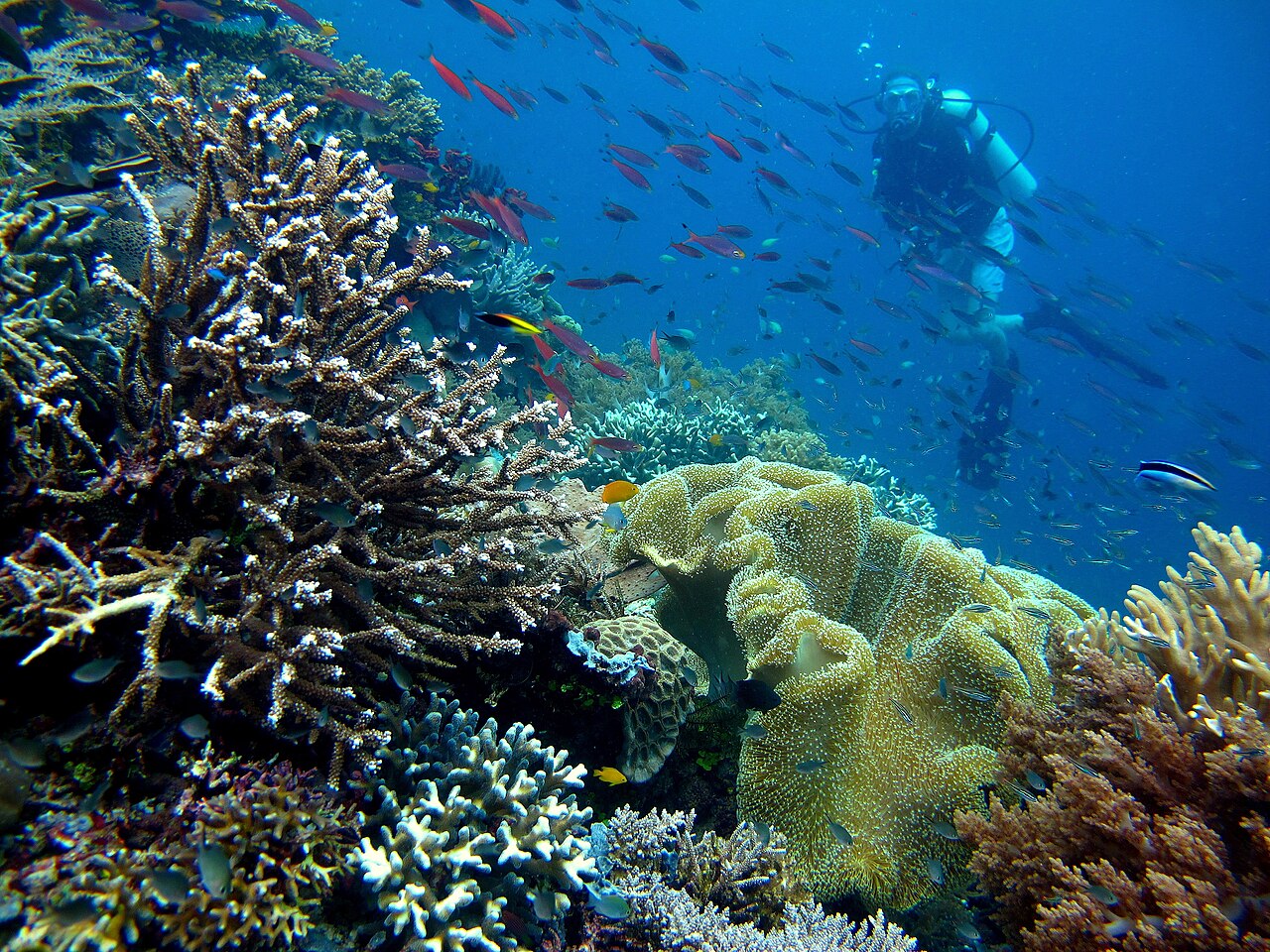
A boat slows beside a wooded island, and the water changes from dark blue to a patchwork of coral and sand. That transition is the beginning of Raja Ampat for many visitors: not a single famous beach, but an immense marine landscape that has to be understood a bay and a crossing at a time. Beneath the surface, small movements resolve into fish, then whole schools.
This archipelago in Indonesian Papua lies within the Coral Triangle, a region of exceptional marine diversity. Its richness is not an invitation to treat every reef as an aquarium. Currents can be powerful, distances substantial and services limited. The best journeys combine wonder with patient planning and a willingness to follow local knowledge.
Understanding the map
Raja Ampat means Four Kings, referring to Waigeo, Batanta, Salawati and Misool. Around them are many smaller islands, channels, mangrove shores and limestone formations. Most first visits concentrate on one area rather than attempting to cover the entire archipelago.
Waigeo and the islands around the Dampier Strait are a common starting point. Misool lies farther south and requires its own transport planning. A photograph of a spectacular lagoon does not tell you whether it is near your accommodation. Before choosing a stay, ask for its location and realistic journey times to the places you most want to see.
Administrative names can cause confusion in older guides. Raja Ampat and Sorong are now in Southwest Papua province, although older travel descriptions often refer broadly to West Papua. For visitors, the practical gateway remains Sorong, followed by onward travel by sea.
Getting from Sorong to the islands
Flights connect Sorong with other Indonesian cities, with routings depending on current schedules. International visitors usually enter Indonesia elsewhere before continuing east. Check entry requirements through official Indonesian sources, and leave room for changes when combining separately booked flights and boats.
Passenger ferries operate between Sorong and Waisai on Waigeo. Confirm the current departure point, timetable and ticket arrangements close to travel; do not rely on a screenshot saved months earlier. Waisai is a gateway, not the final destination for many stays. A further boat transfer may be needed to reach your homestay or resort.
Ask your host who will meet you, how you will recognise them and what happens if the ferry is delayed. Private transfers can be affected by wind, daylight and fuel logistics. Arriving late without an agreed plan is particularly awkward when the final leg crosses open water.
For the return, leave a sensible buffer before an important flight. A night in Sorong may be less picturesque than another evening over the reef, but it can prevent a disrupted crossing from becoming a missed international journey.
Choosing a way to stay
Family-run homestays
Homestays offer a close relationship with the shoreline and, often, the families who live there. Rooms may be simple timber structures with mosquito nets, fans or limited electricity. Bathrooms, freshwater availability and charging hours vary. Ask specific questions rather than assuming the word homestay promises one standard experience.
Meals are commonly arranged as part of the stay, with choices shaped by supplies and local cooking. Explain dietary needs well in advance and confirm whether they can realistically be met. Bring any essential specialist food without expecting hosts to source it from distant shops.
Shared meals and conversations can be a rewarding part of the visit, but family life is not a visitor programme. Ask before photographing homes or people, dress respectfully away from swimming areas and accept that religious observance may affect activities on particular days.
Dive resorts and liveaboards
A dive resort can provide equipment, guiding and structured access to nearby sites. Compare safety procedures and the experience required, not just photographs of rooms. Ask how snorkelers are accommodated if your group includes people who do not dive.
Liveaboards move between areas and can reduce the need to arrange separate accommodation transfers. They also mean living with a fixed group and itinerary on a boat. Routes depend on weather, permits and operating seasons. Check cabin arrangements, dive requirements and emergency procedures before deciding that mobility is automatically an advantage.
Fees, permissions and conservation
Visitors should expect an environmental service fee associated with the marine protected area system, commonly discussed as the marine park entry permit or tag. The administration, payment process and any additional local charges can change. Confirm the current requirements with official Raja Ampat authorities and your host before departure, and retain proof of payment.
Do not assume a dive package includes every fee. Ask for a clear explanation of what is covered, where payment is made and whether identification is needed. There may also be separate charges or permissions for particular village activities or viewpoints. Avoid relying on an old price list as if it were permanent.
Conservation here includes community stewardship and customary practices, sometimes described through sasi, that restrict harvesting in particular places or periods. Visitors need not become experts to behave well: respect closed areas, follow local instructions and never take marine life or souvenirs from the reef.
In the water, slow down
Snorkeling with attention
Some shore reefs offer rewarding snorkeling, but easy access does not guarantee easy conditions. Ask about tides, entry points, boat routes and the current before each outing. Go with a buddy and use an experienced local guide when exploring an unfamiliar site.
Spend time over one patch rather than swimming constantly toward the next attraction. Fish shelter among branching coral; smaller creatures emerge when the disturbance settles. Keep your fins clear of the reef, never stand on coral and avoid surrounding turtles or other animals as they surface.
Diving in moving water
Channels and exposed sites can have strong currents, including conditions unsuitable for inexperienced divers. Be honest about your recent experience, buoyancy and comfort with drift diving. A responsible operator should be willing to change the plan or decline a site when it does not suit the group.
Ask about oxygen, communications, evacuation arrangements and access to medical care. Remote geography matters during an emergency. Appropriate insurance should explicitly cover your diving and evacuation needs, and you should follow recognised guidance on surface intervals before flying.
Manta encounters are possible in suitable areas, but are never guaranteed. Stay where the guide directs, keep away from cleaning stations and allow animals to approach or leave freely. A sighting is not improved by blocking its route for a camera.
Forests, limestone and village shores
Piaynemo is known for its elevated view over wooded limestone islets. Reaching viewpoints can involve steep steps, heat and slippery surfaces. Carry water, use suitable footwear and stay within barriers. Ask about current access and community arrangements before setting out.
Misool has a different geography of channels, cliffs and lagoons. It should not be treated as a casual add-on to a stay near Waisai. Work with operators who understand local permissions and realistic sea conditions, and resist the temptation to demand too many distant stops in a day.
Birdwatching outings may involve a very early start and a forest walk to a display area. Sightings of birds of paradise depend on conditions and animal behaviour. Use local guides, keep noise low and follow instructions about lights and photography. The quiet wait is part of the experience, not an inconvenience before it.
When the sea allows
Roughly October to April is often preferred for diving and travel in many parts of Raja Ampat. Around June to September, seasonal winds can make some crossings rougher, particularly in southern areas. Conditions vary across this large region, and rain is possible throughout the year.
Choose dates in consultation with the operator serving your exact area. A homestay in a relatively sheltered location and a liveaboard planning long exposed passages do not face identical constraints. Ask what alternatives exist when a particular site cannot be reached.
Build an itinerary that can absorb a quiet day. Reading in the shade while rain moves across the channel is preferable to pressuring a skipper into an uncomfortable crossing. There is enough to notice near shore when you stop treating distance travelled as the measure of a successful visit.
Practical tips for a remote stay
- Bring sufficient cash after checking accepted payment methods; do not depend on finding an ATM near your island accommodation.
- Pack essential medicines, basic first aid and insect protection, and seek current travel-health advice before departure.
- Carry a dry bag and protect travel documents from spray on small boats.
- Check electricity hours, socket arrangements and communication coverage with your host.
- Use sun-protective clothing and avoid touching, collecting or standing on marine life.
- Minimise packaging and ask how to take difficult waste back to a place with better disposal facilities.
- Share your itinerary with someone at home and understand your operator's emergency contacts.
A small torch is usefull when walking between your room and the dining area. There is less stumbling when both hands are free, so a head torch can be a sensible alternative.
Questions before travelling
Do I have to dive to enjoy Raja Ampat?
No. Suitable snorkeling, birdwatching and time around the islands can make a rich trip. Choose a base with activities you can safely enjoy, rather than booking somewhere designed almost entirely around advanced diving.
Can I reach my homestay directly from Sorong?
Sometimes a private arrangement is possible, but many journeys use the ferry to Waisai followed by another boat. Confirm the complete route with your host. Do not assume an address described as Raja Ampat is close to the ferry terminal.
Is the marine park tag the only payment required?
Not necessarily. Package inclusions and local activity charges vary, and administrative arrangements may change. Check official guidance, ask your operator for a breakdown and keep receipts or digital confirmations available during your stay.
Can I visit Misool and the Dampier Strait in one short trip?
It may be possible with the right operation, but the distances make a rushed combination unattractive. A focused stay usually leaves more time in the water and less time negotiating transfers. Let geography, weather and your available days determine the plan.
Related guides

Galápagos Islands, Ecuador
The Galápagos: Wildlife Without Fear
Sea lions, marine iguanas and curious fish make the Galápagos one of the most remarkable places to meet ocean life.
Ocean Adventures · 8 min read
Queensland, Australia
The Whitsundays and the Great Barrier Reef
Silica-white sand, sailing channels and coral gardens make the Whitsundays a classic ocean playground.
Ocean Adventures · 8 min read
Seychelles, Indian Ocean
Seychelles: Granite Boulders and Endless Light
Ancient granite, quiet coves and forested peaks make the Seychelles feel unlike any other tropical archipelago.
Tropical Islands · 9 min read