Thailand's Andaman Islands: A Southern Route
Limestone cliffs, clear water and relaxed beaches make the Andaman coast a classic island-hopping route.
Andaman Sea, Thailand · 8 min read · IGANAVI Editorial Team
Published May 24, 2026 · Updated November 16, 2026
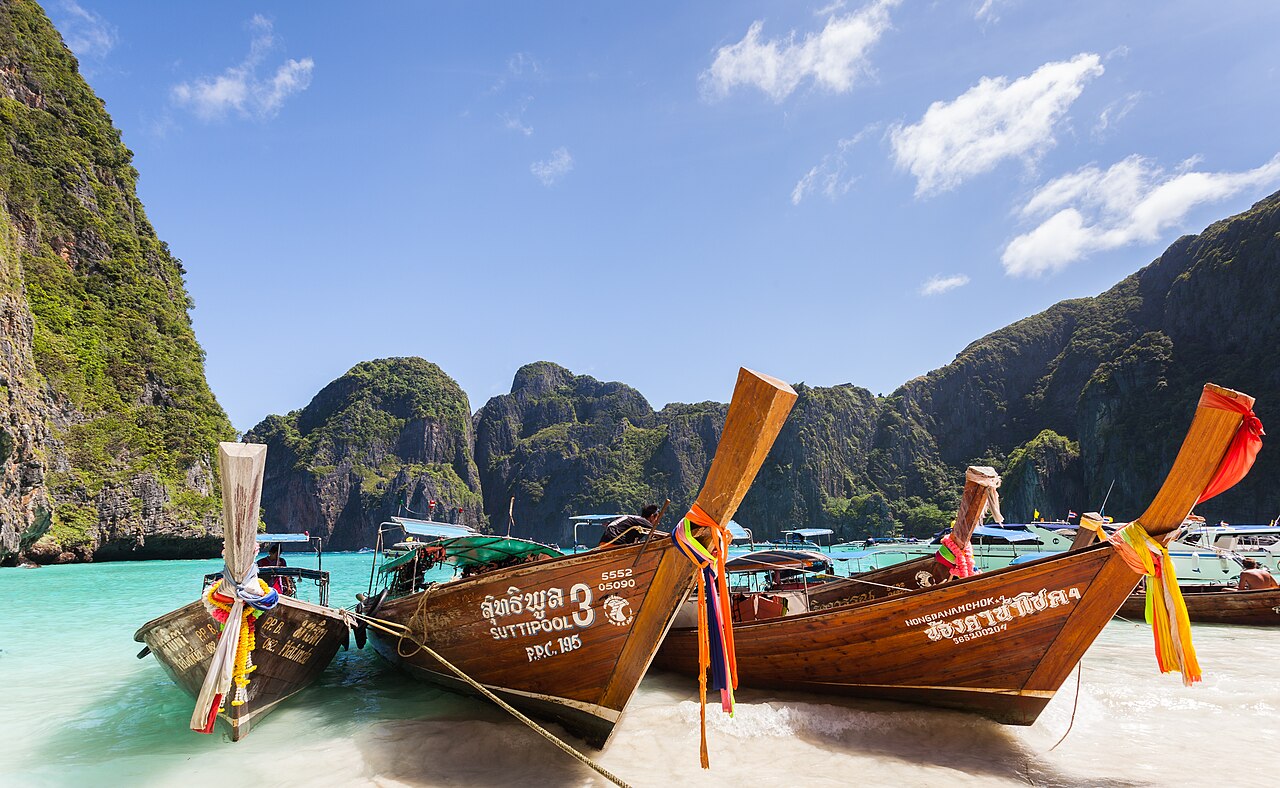
Thailand's Andaman coast is best approached as a series of choices, not a race south. Limestone cliffs near Krabi, the busy bays of Phi Phi, Ko Lanta's long western shore and the smaller island world around Ko Lipe offer quite different holidays. Linking them is possible, but the sea, rather than the line on a map, determines how easy that journey feels.
Start by deciding what you want between boat rides. A few mornings of snorkeling, a climbing lesson and time to explore a coastal town make a stronger itinerary than a new pier every day. Leave space for weather, particularly if your final flight cannot move.
Choose a gateway and a direction
Phuket and Krabi are the main flight gateways for this part of the coast. Phuket is a large island connected to the mainland by bridges, with several departure points serving different routes. Krabi airport gives access to Krabi Town, Ao Nang and onward boat connections. Neither airport is itself a ferry terminal, so include the road transfer when comparing arrival plans.
A north-to-south route might link Phuket, Phi Phi, the Krabi coast, Ko Lanta and Ko Lipe. It is not a continuously southbound journey: adding Railay after Phi Phi brings you back towards the mainland. That detour can be worthwhile for cliffs and climbing, but it should be a deliberate choice.
With a shorter holiday, choose a cluster. Phuket and Phi Phi work as one combination; Krabi, Railay and Ko Lanta as another. Ko Lipe is far enough south to deserve its own block of time, not a rushed overnight added because a seasonal speedboat appears to connect the dots.
Phi Phi, with realistic expectations
Ko Phi Phi Don is the inhabited centre of the Phi Phi group, with accommodation, restaurants and a busy arrival area around Ton Sai. Some neighbourhoods are lively late into the evening. Other beaches feel more removed but may require extra boat transfers, which matter when travelling with luggage or arriving after dark.
If quiet sleep is important, ask about nearby bars and boat traffic before choosing a room. Views alone do not tell you much about the sound after sunset. Walks can involve steep steps and humid heat, so carry water and do not turn a viewpoint visit into a midday endurance test.
Maya Bay and protected waters
Ko Phi Phi Leh has no conventional resort settlement and is known for Maya Bay. The bay lies within Hat Noppharat Thara-Mu Ko Phi Phi National Park and is managed for conservation, with visitor restrictions and periodic seasonal closure. Dates and access procedures can change, so check the Thai Department of National Parks and the park's current announcements for your travel dates.
Maya Bay is a controlled visit, not an unrestricted swimming beach. Swimming is prohibited, and visitors must follow the marked shoreline limits and staff instructions. Boat access uses designated arrangements rather than simply landing wherever an operator wishes. Do not accept a tour description that promises activities inconsistent with park rules.
National park charges may be additional to the advertised boat fare. Ask exactly what is included, retain any required ticket and remember that purchasing a tour does not override a closure. If the bay is unavailable, choose another lawful outing rather than seeking someone willing to ignore restrictions.
Krabi and Railay, a mainland pause
Railay is a peninsula, not an island, but cliffs prevent road access to its beach settlements. Boats connect it with nearby mainland departure points, including Ao Nang and piers in the Krabi area, depending on service and conditions. Some transfers involve stepping into shallow water, so keep electronics protected and wear footwear that is easy to manage.
The peninsula is known for limestone climbing and beach scenery. Beginners should use a qualified, reputable climbing operator with appropriate equipment and instruction. Scrambling onto an unsigned path is not an equivalent substitute. Wet limestone and steep access routes can become slippery quickly after rain.
Nearby Ko Hong and the Poda island group are common day-trip destinations, but they are not simply interchangeable photo stops. Ask about the route, time afloat, group size and relevant park fees. A shorter excursion with time in the water can be more enjoyable than a long list of landings made in haste.
Ko Lanta, room to settle
Ko Lanta generally means Ko Lanta Yai for visitors staying overnight. Its west coast has a sequence of beaches with different concentrations of accommodation and restaurants. The island feels more spread out than Phi Phi Don, making location important if you do not intend to drive.
The historic Old Town lies on the east coast, where timber buildings and waterside structures reflect a different relationship with the sea from the west-facing beach strips. Visit for a walk and a meal, keeping in mind that the waterfront is also a residential and working environment. Ask before entering spaces that are not clearly open businesses.
Mu Ko Lanta National Park includes the southern tip and offshore areas. Check current entry arrangements, trail access and weather before setting out. Wildlife should never be fed, even when animals approach visitors or food bags. A quiet beach afternoon needs no extra attraction attached to it.
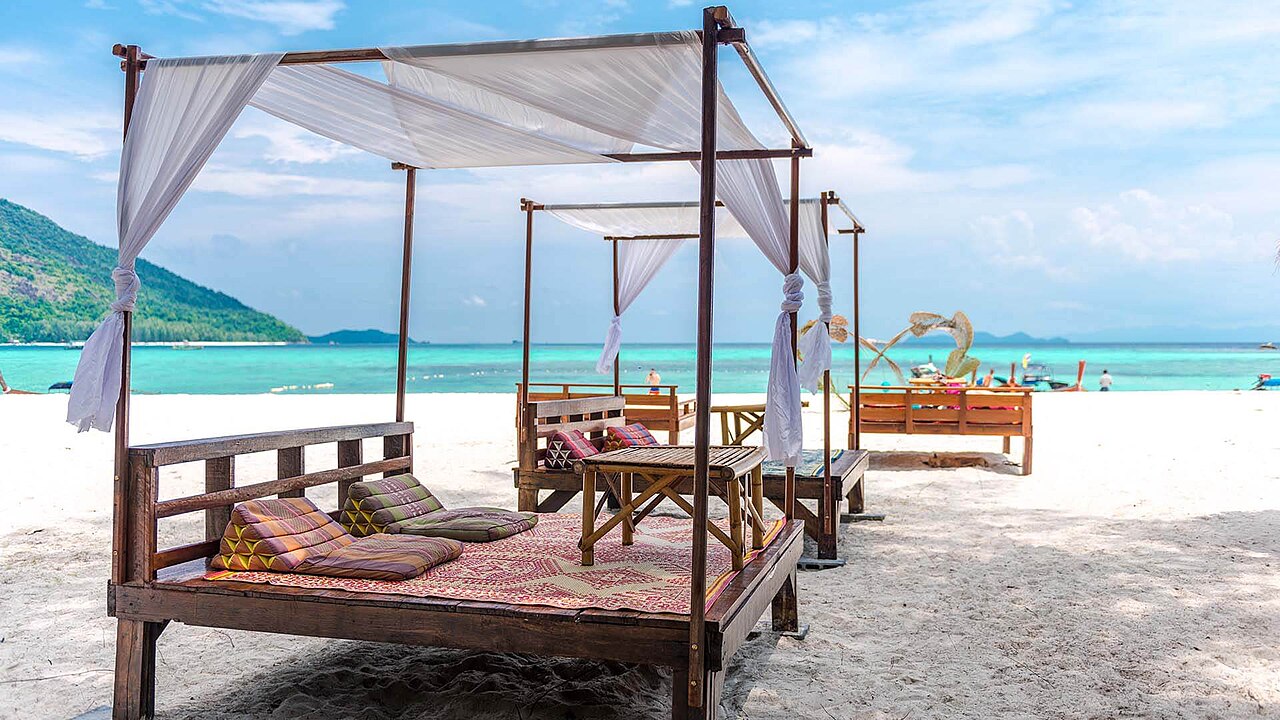
Ko Lipe and the southern islands
Ko Lipe lies in the far south near Malaysia, among islands associated with the Tarutao marine national park area. The visitor settlement is compact compared with Ko Lanta, yet a stay still involves practical choices about boat landings, beach access and evening noise. Its small size does not mean that every shoreline is quiet.
Snorkeling trips commonly visit surrounding islands and reefs, subject to weather and protected-area restrictions. Choose an operator that gives a proper briefing, provides suitable flotation equipment and keeps boats and passengers away from coral. Never stand on a reef, feed fish or collect marine life. If a guide suggests otherwise, do not participate.
Ko Lipe is also home to a Chao Ley community, with a history and daily life extending beyond tourism. Respect residential areas and ask before photographing people. Walking inland between beach visits gives a fuller sense of the island than treating it as a continuous resort frontage.
Reaching Lipe without rushing
Pak Bara on the mainland is a key departure point for Ko Lipe. Seasonal links may also connect it with islands farther north, but long speedboat journeys can be tiring and uncomfortable in rough conditions. Confirm the actual service, intermediate stops and luggage arrangements before committing.
International boat links with Langkawi, Malaysia, are subject to seasonal operations and immigration procedures. They are not domestic island transfers. Check official border, passport and visa requirements, the correct departure port and current operator schedules. Allow time for formalities rather than planning a close onward flight.
Monsoon seasons and marine closures
The southwest monsoon affects the Andaman coast roughly from May to October. Rain can be intermittent, but wind and swell are often more consequential for island travel. Some routes stop for the season, excursions are reduced and services that are scheduled may still be cancelled. Do not judge offshore safety by the conditions at a sheltered hotel beach.
November to April is generally the main travelling season, though calm seas and sunshine are never guaranteed. Around seasonal transitions, check services particularly carefully. A quieter island can be appealing, but only if the reduced transport and restaurant choices suit your plans.
The Similan Islands are a separate excursion area farther north, not a natural stop between Lanta and Lipe. Their national park is normally closed to tourism from around mid-May to mid-October. Exact reopening dates, permitted activities and access rules require confirmation with the Department of National Parks. Other marine parks also impose their own seasonal restrictions.
Practical tips for a boat-based route
- Check official marine weather warnings and the operator's same-day advice before each crossing.
- Ask whether national park admission, pier charges and hotel transfers are included in an excursion or ferry quote.
- Keep your passport, medication and electronics in a waterproof bag that remains with you.
- Carry enough cash for small purchases and unexpected changes, without relying on a single island ATM.
- Wear a life jacket as instructed and choose operators that provide appropriate safety equipment rather than simply the fastest advertised ride.
- Avoid a long offshore crossing on the day of an important flight; a mainland buffer night is often sensible.
- Only ride a scooter with the correct licence, experience, helmet and insurance cover; otherwise arrange local transport.
Pack so that you can carry your own bag across a pier or a short stretch of sand. Heavy hard cases are awkward on small boats. Keep one dry outfit accessible, too: spray can reach passengers even when the sky is clear. A spare shirt are useful after a wet crossing.
Questions before you go
How long should I allow for the whole route?
Around two weeks gives more breathing room than a short holiday, especially with Ko Lipe included. Even then, consider dropping a stop. Three bases enjoyed properly can be more satisfying than five brief arrivals and departures.
Can I visit Maya Bay whenever boats are running?
No. A boat service operating elsewhere does not mean Maya Bay is open. Seasonal closures, visitor controls and daily conditions apply independently. Check current park announcements, and remember that swimming restrictions still apply during permitted visits.
Are the Similans a useful stop on the way south?
Not usually. They lie off the coast farther north and are generally approached through separate excursions, often from the Khao Lak area. Add them only if season, access rules and the wider itinerary allow enough time.
Should I book every boat before travelling?
Booking ahead can help during busy periods, but check change and cancellation terms. Reconfirm each service locally and retain flexibility for weather. Theres no advantage in protecting a rigid schedule at the expense of a safe crossing.
Related guides
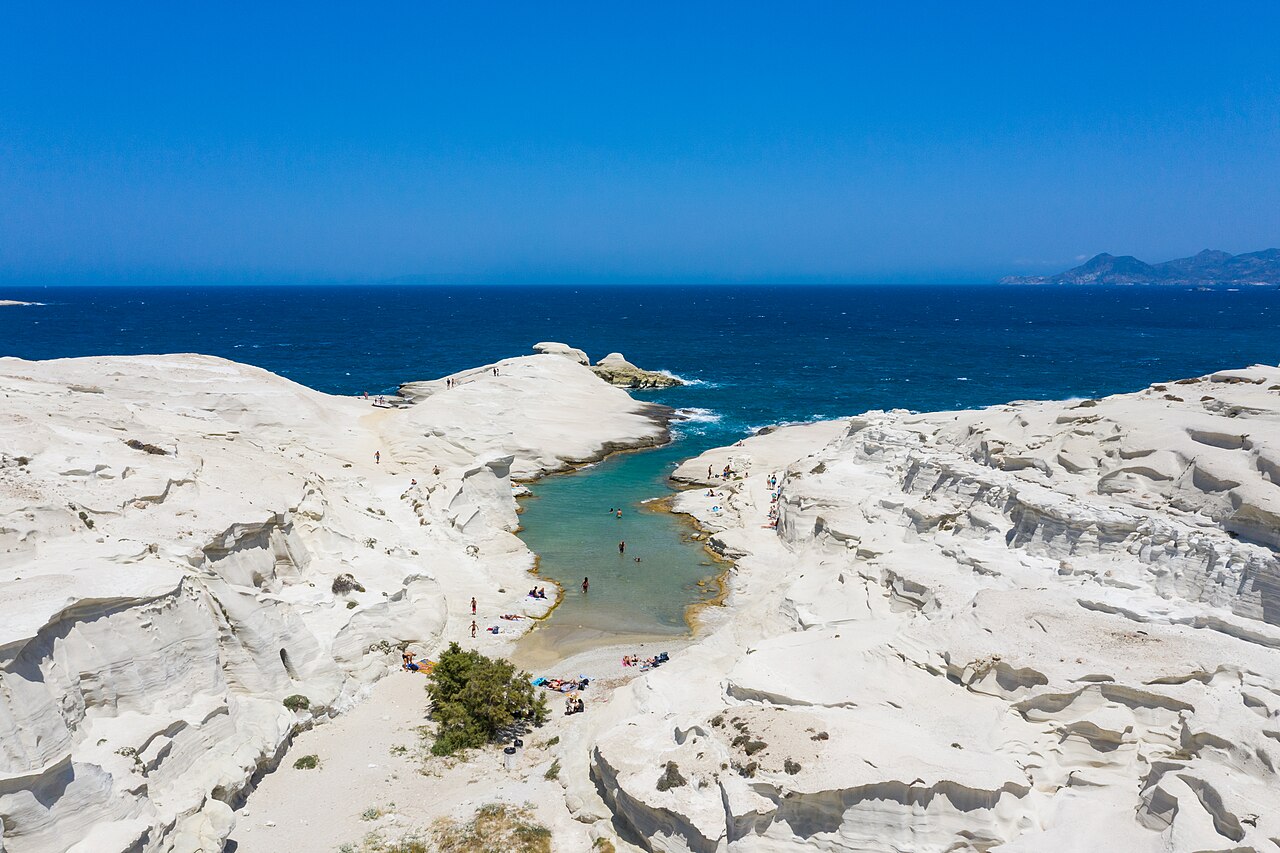
Cyclades, Greece
Island Hopping in the Cyclades
From Milos to Naxos, the Cyclades offer endless combinations of volcanic coasts, villages and Aegean light.
Island Hopping · 8 min read
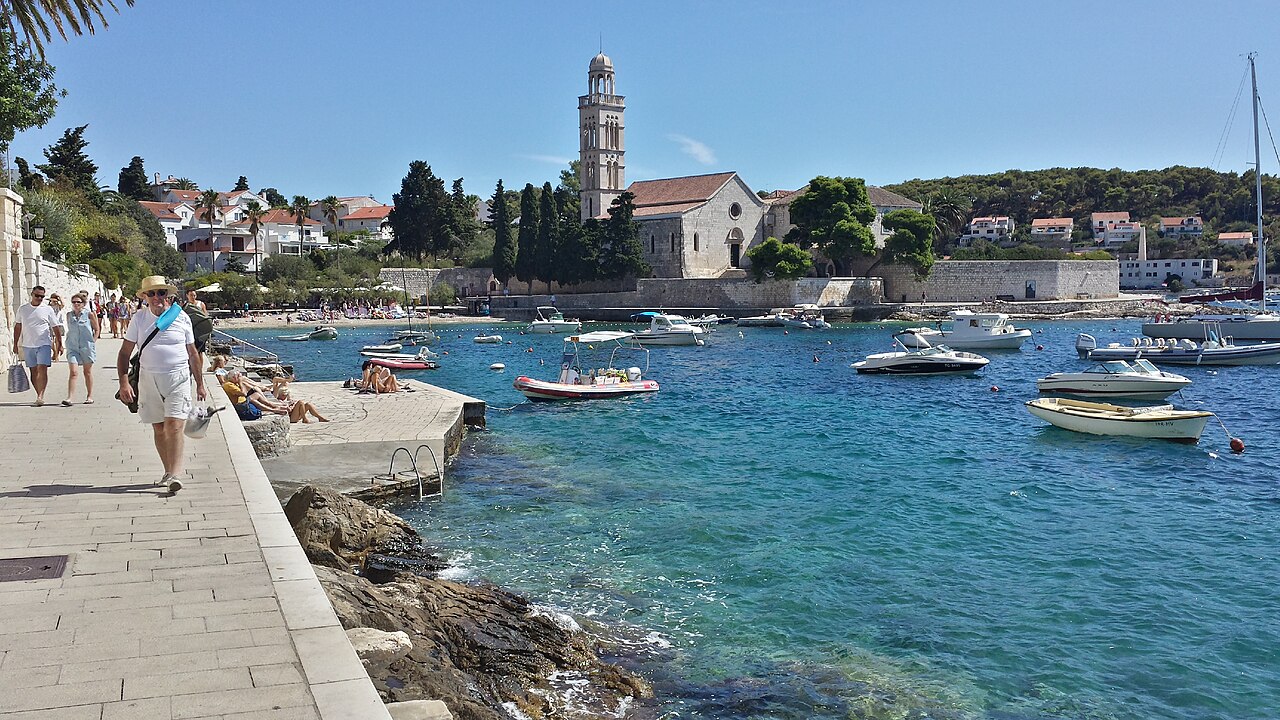
Dalmatia, Croatia
Croatia's Dalmatian Islands by Sea
Hvar, Korčula and their neighbours create one of the Mediterranean's most rewarding island routes.
Island Hopping · 8 min read
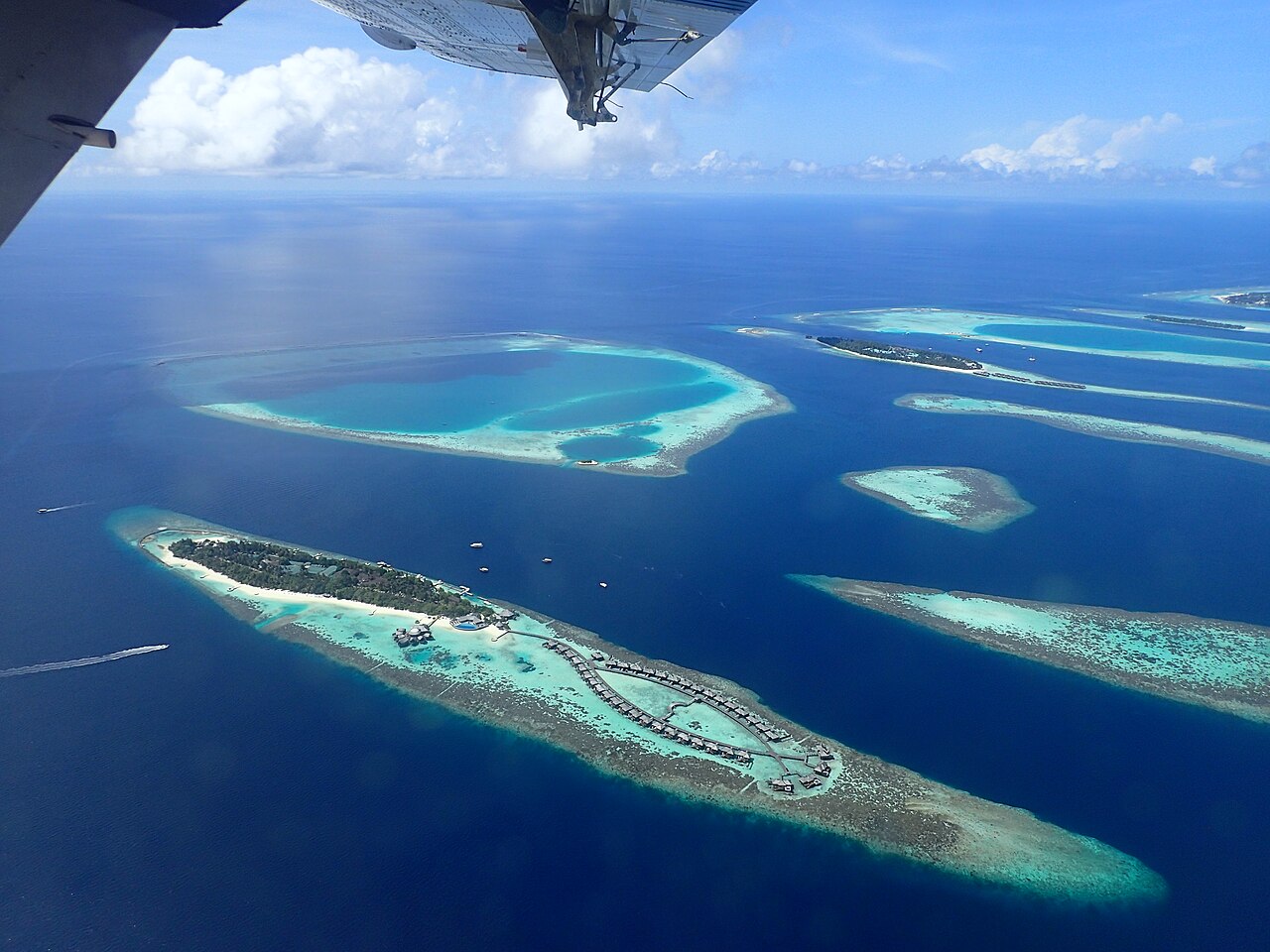
Maldives, Indian Ocean
The Maldives: Learning to Read the Atolls
A nation of coral rings scattered across the Indian Ocean, where choosing an atoll matters as much as choosing an island.
Tropical Islands · 8 min read