Croatia's Dalmatian Islands by Sea
Hvar, Korčula and their neighbours create one of the Mediterranean's most rewarding island routes.
Dalmatia, Croatia · 8 min read · IGANAVI Editorial Team
Published April 18, 2026 · Updated November 16, 2026
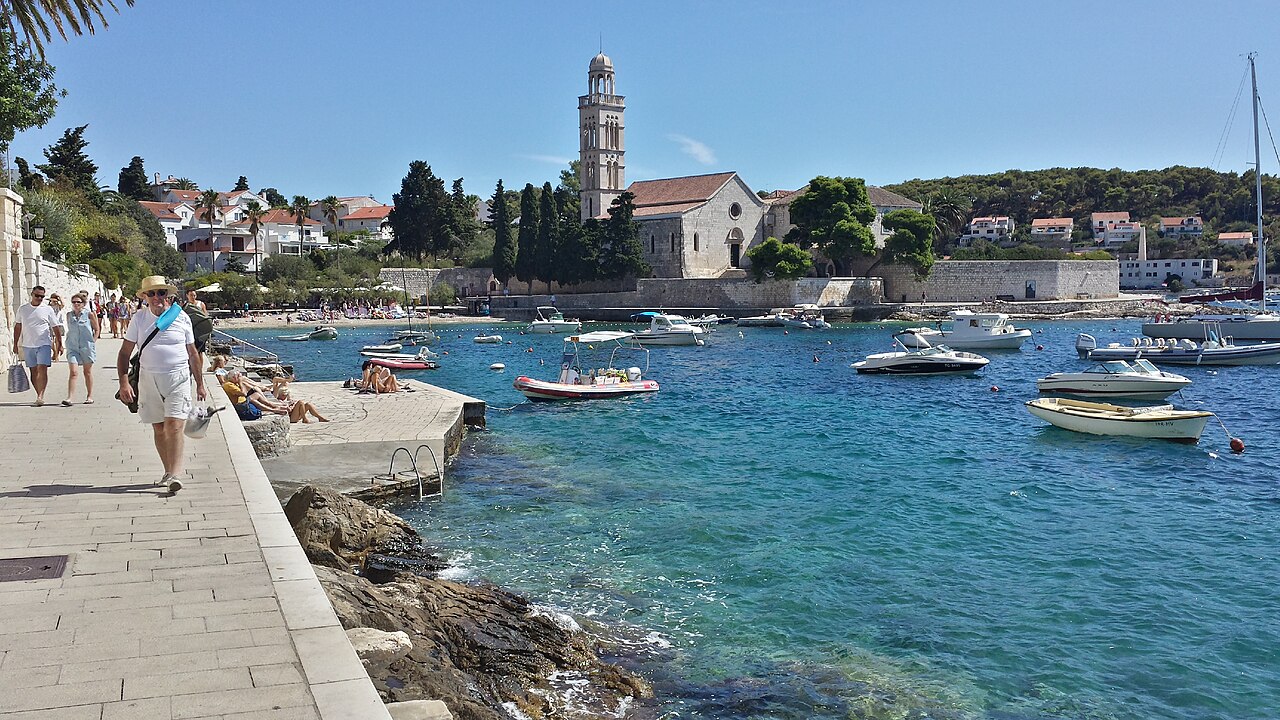
The best moment in a Dalmatian island journey is often the approach. A church tower separates from the hillside, pale stone houses gather around a harbour, and the water changes colour as the boat slows. Then the practical world returns: bags, gangways, a bus to find. Getting those ordinary details right leaves more time for the part you came for.
Croatia's central and southern Dalmatian islands make a rewarding route by sea, but they are not joined by a single effortless shuttle. Hvar, Brač, Vis, Korčula and Mljet each have different ports, connections and reasons to stay. Choose a few rather than collecting names. A harbour evening and an inland walk usually reveal more than another hurried arrival photograph.
Build the journey around actual sailings
Split is the main starting point for many central Dalmatian routes. Dubrovnik is useful for southern journeys, particularly those involving Korčula and Mljet. Both have airports, but allow generous transfer time between a flight and an onward boat. The waterfront may look close on a map while traffic, luggage and boarding arrangements tell a different story.
Jadrolinija operates an important network of car ferries and passenger services. Other operators, including Krilo and TP Line, run catamaran routes where scheduled. Services from Split and links involving Hvar and other islands vary by season and day. Check the operators' current timetables for your exact travel date rather than using an old route diagram as a promise.
Ferry or catamaran?
Conventional ferries carry vehicles on designated routes and can make a useful choice for foot passengers too. Passenger catamarans are often faster and may call at town-centre ports, but do not carry your hire car. A ticket's boarding conditions also matter: vehicle arrangements and passenger reservations are not identical across services.
Read the port name carefully. Hvar town is not Stari Grad, and Korčula town is not Vela Luka. On Brač, arriving at Supetar rather than Bol changes your onward journey. Before paying for accommodation, work out how you will reach it from the actual arrival quay, especially in the evening.
Hvar: look beyond the harbour scene
Hvar town offers an immediate introduction to the islands' architectural confidence. Stone buildings enclose a broad square, boats fill the harbour, and a fortress stands above the roofs. Walk uphill early or towards the cooler end of the day, carrying water and checking access hours if you intend to enter the fortress.
The town can be lively and expensive in peak season, particularly around the waterfront. That need not define your whole stay. A few streets back, the mood changes; farther across the island, vineyards, villages and agricultural land tell another story. Lavender is part of Hvar's identity, but flowering is seasonal rather than a year-round backdrop.
Stari Grad and the agricultural landscape
Stari Grad offers a different base, gathered around a long inlet with lanes that encourage slow wandering. Nearby, the UNESCO-listed Stari Grad Plain preserves an agricultural landscape with roots in ancient Greek settlement. It is a place to appreciate working land and its long continuity, not simply a scenic detour between beaches.
If you want to explore inland, check bus connections or arrange transport in advance. Island distances become more noticeable when the afternoon is hot and the next bus is not imminent. Staying in Stari Grad while assuming constant late-night links to Hvar town can produce an awkward end to dinner.
The Pakleni Islands near Hvar town are a popular boat outing, with coves and swimming stops. Choose a service appropriate to the weather and your confidence on the water. A sheltered-looking bay on a photograph does not guarantee a comfortable crossing that afternoon.
Brač: Zlatni Rat and a larger island behind it
Brač is easily reached from Split on established routes, with Supetar an important ferry gateway. Yet a quick crossing should not suggest that every destination on the island is close to the port. Bol lies on the southern coast, and getting there requires its own transport plan unless you arrive on a suitable direct passenger service.
Near Bol, Zlatni Rat projects into the sea in a pale tongue of pebbles. Its outline responds to wind and currents rather than remaining fixed like a landscaped beach. The setting is striking, but expect company in summer. Bring suitable footwear for the pebbles and pay attention to designated swimming areas and water-sports activity.
Beyond the famous beach are stone villages, olive-growing landscapes and the island's long stoneworking tradition. Pučišća is particularly associated with that craft. An inland outing offers a useful counterpoint to a beach day, provided you allow for travel time rather than drawing a straight line between places on a map.
Vis: give the outer island time
Vis sits farther out to sea, and reaching it asks for more commitment than a quick hop between neighbouring ports. That distance is part of its appeal. Vis town and Komiža make contrasting bases, with waterfront life, small streets and access to a rugged coastline rather than an endless run of large resorts.
The island served as a military base and was restricted to foreign visitors for much of the postwar period, reopening in 1989. Military remains add context to some excursions, but they are only part of a landscape also shaped by fishing, farming and wine. Do not enter abandoned structures or tunnels casually; use authorised access and knowledgeable local guidance where appropriate.
Biševo and the Blue Cave
The Blue Cave is on nearby Biševo, not on Vis itself. Visits depend on sea conditions and operating arrangements, and queues can be substantial when excursions converge. Ask what happens if entry is suspended before committing to an outing built entirely around the cave.
A boat trip should still make sense without that single stop. Komiža and the surrounding coast deserve time in their own right. Leave some room in the schedule to accomodate a weather change rather than treating every day as fixed.
Korčula: stone streets and wine country
Korčula town occupies a compact peninsula, its walls and towers giving the waterfront a strong outline. Inside, the branching street pattern creates changing pockets of light and shade. Explore early, then return in the evening when the stone cools and the town becomes more than a lunchtime stop.
The island has living performance traditions, including the Moreška sword dance associated with Korčula town. Check current programmes through official local cultural or visitor information sources; performances are scheduled events, not something to expect at any hour.
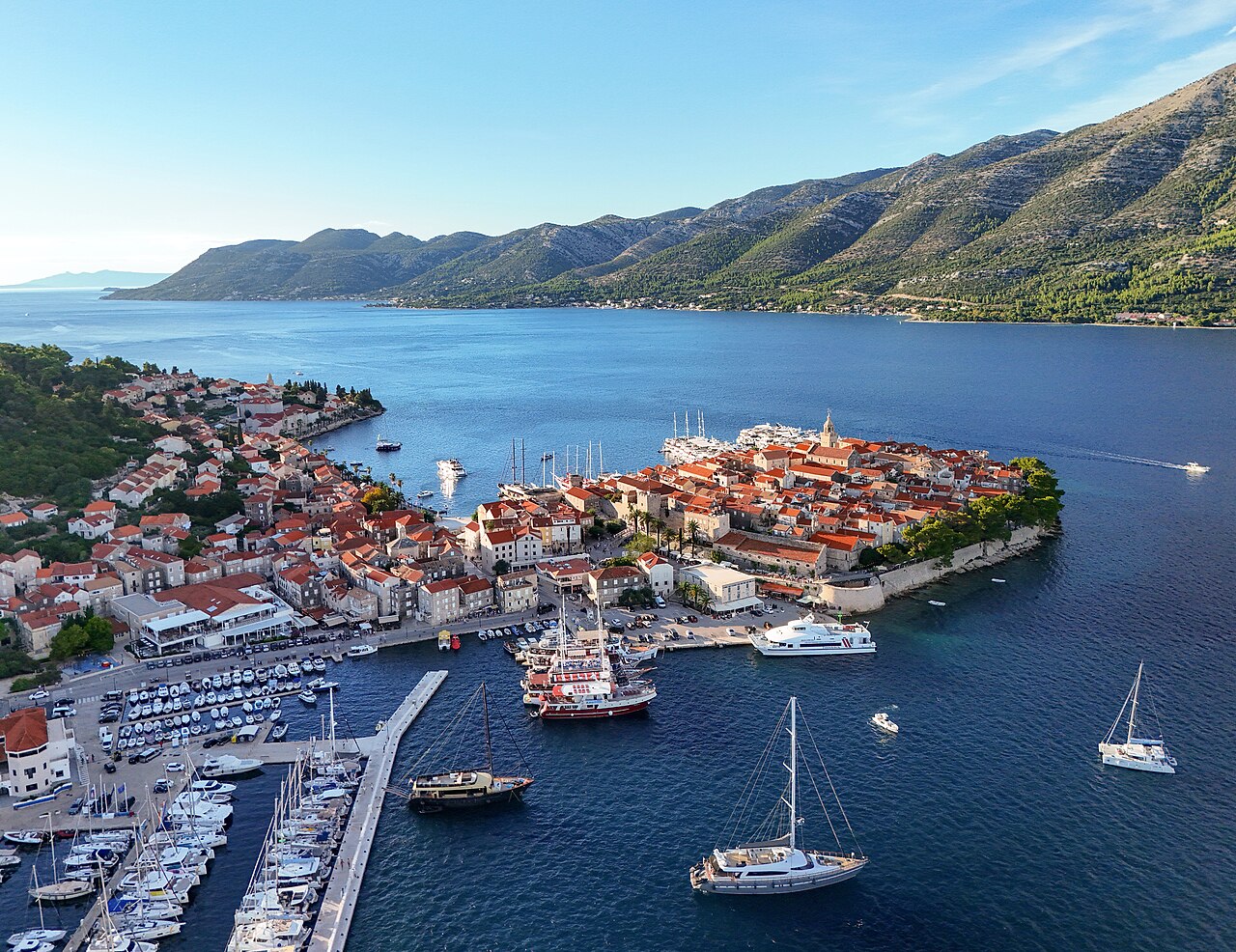
Wine offers another way into the island. Grk is closely associated with Lumbarda, while Pošip has strong connections with growing areas including Čara and Smokvica. Arrange tastings directly with producers and organise transport if drinking. There is no need to turn an afternoon of vineyards into a driving problem.
Korčula is a long island. Vela Luka, at its western end, is not a convenient substitute for a Korčula town arrival unless you have accounted for the transfer. One of the most useful things you can do before departure is read the full port name twice.
Mljet: make room for the national park
Mljet National Park protects the northwestern part of Mljet, not the entire island. Its well-known saltwater lakes, Veliko Jezero and Malo Jezero, give a visit a different focus from the exposed beaches elsewhere in Dalmatia. Wooded paths, cycling routes and the monastery islet of St Mary invite a slower day.
Check the park's official information for admission, internal transport, boat arrangements and current rules. Access to particular paths or activities can change, and a general ferry ticket does not automatically cover everything inside the park. Use designated routes and swimming areas, and respect any restrictions protecting sensitive sites.
Choose your arrival port around the accommodation or park visit you actually want. Pomena, Polače and Sobra are different places with different services. A short stop works only when the onward connections and local transfers fit; staying overnight gives you more flexibility and a less hurried experience of the lakes.
Practical tips for travelling between islands
May, June and September can offer an appealing balance of daylight, activity and visitor numbers, but warm swimming water is not guaranteed in spring. July and August bring fuller boats and busy harbours. Outside the main season, reduced sailings can matter more than the weather when choosing a route.
- Check every travel leg for the exact date, direction and port.
- Reserve popular passenger services early when your schedule is fixed.
- Allow a buffer before international flights rather than relying on one same-day sea connection.
- Carry water, sun protection and footwear suitable for pebbles and polished stone.
- Confirm luggage and bicycle rules with the relevant operator.
- Keep a land-based alternative for a cancelled boat excursion.
Sailing independently adds another layer of responsibility. The bora and other Adriatic winds can change conditions sharply, and busy summer anchorages are not automatically safe ones. Use a qualified skipper unless you have the necessary experience and credentials, and follow current forecasts and local restrictions. Short distances is not the same as easy conditions.
Short FAQ
Can I visit all five islands in one week?
It may be technically possible with the right seasonal links, but much of the week would become packing and transferring. Pick two or three islands and leave time for a weather delay or an unplanned second swim.
Do I need a car for an island-hopping trip?
Not necessarily. Foot passengers can use catamarans and ferries, then local transport where available. A car can help with inland exploration on a longer stay, but complicates routes that rely on passenger-only boats.
Is Zlatni Rat a sandy beach?
It is principally a pebble beach. Bring suitable footwear if you find pebbles uncomfortable, and choose your swimming spot according to conditions rather than the shape seen in aerial photographs.
Can I rely on a direct boat between any two islands?
No. Some links are seasonal, infrequent or absent, and a journey may require returning to the mainland. Verify the route first, then decide where to sleep. That small reversal in planning makes the whole journey calmer.
Related guides
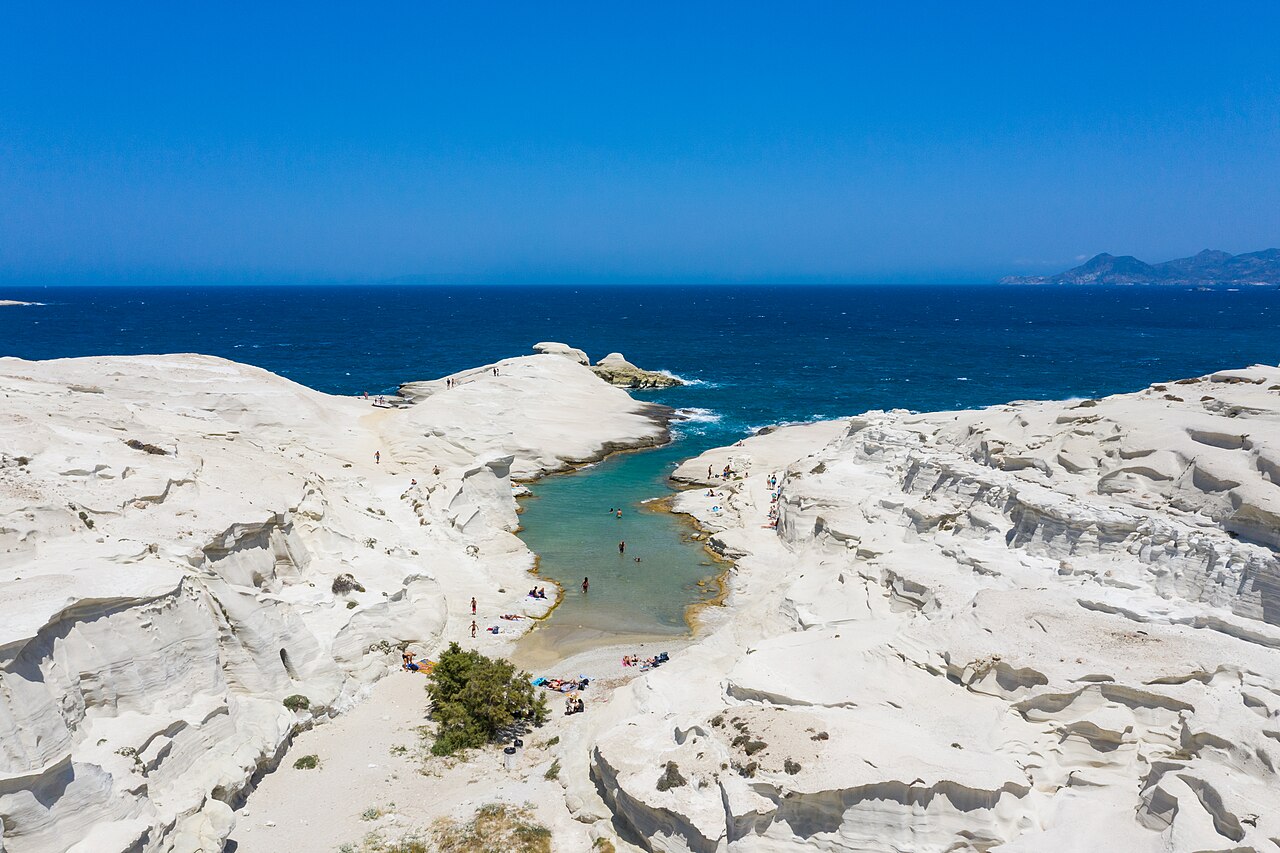
Cyclades, Greece
Island Hopping in the Cyclades
From Milos to Naxos, the Cyclades offer endless combinations of volcanic coasts, villages and Aegean light.
Island Hopping · 8 min read
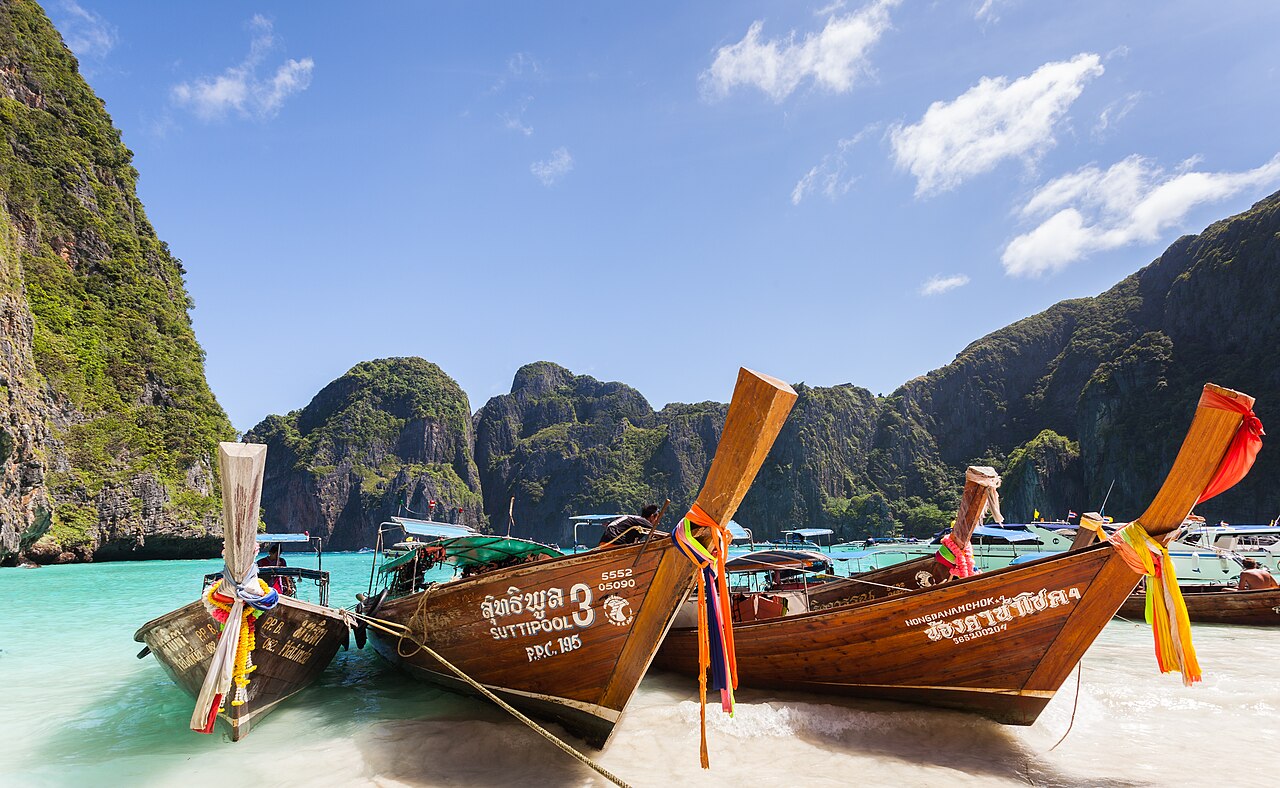
Andaman Sea, Thailand
Thailand's Andaman Islands: A Southern Route
Limestone cliffs, clear water and relaxed beaches make the Andaman coast a classic island-hopping route.
Island Hopping · 8 min read
Fiji, South Pacific
Fiji's Island Chains: The Yasawas and Mamanucas
Two island groups off Viti Levu offer reef-fringed beaches, village warmth and easy access by boat.
Tropical Islands · 8 min read