Island Hopping in the Cyclades
From Milos to Naxos, the Cyclades offer endless combinations of volcanic coasts, villages and Aegean light.
Cyclades, Greece · 8 min read · IGANAVI Editorial Team
Published March 16, 2026 · Updated November 16, 2026
The first decision in the Cyclades is not which beach to visit. It is how much moving you actually want to do. On a map, the islands look close enough to collect in quick succession. At a harbour, with a warm suitcase handle in your palm and the wind lifting your ticket, the distances feel different. A good island-hopping trip leaves room for both the crossings and the places between them.
White villages and blue water provide a family resemblance, but the islands are far from interchangeable. Naxos has agricultural valleys and long beaches. Milos turns volcanic geology into extraordinary coastal scenery. Sifnos rewards an appetite for pottery and slow meals. Choose a few contrasts rather than a long list, and the journey becomes much more satisfying.
Build the route around real ferries
Piraeus, Rafina and Lavrio all serve Cycladic routes from the Athens region, but they are not interchangeable departure points. Piraeus offers a broad range of services. Rafina is useful for certain eastern routes, while Lavrio serves a more limited selection. Check the actual sailing before choosing an Athens hotel or arranging an airport transfer.
Ferry networks follow practical corridors, not the neat loop you might draw on a map. Connections between Naxos, Paros and the Small Cyclades can work well for one itinerary; Milos and Sifnos often make more sense as a western pairing. Combining these groups is possible on some schedules, but it should not depend on an assumed daily direct service.
How many islands fit comfortably?
For a week, two bases usually give a better holiday than four. Three can work if connections are convenient and you genuinely enjoy moving. Count travel days honestly: checking out, reaching the port, waiting, crossing and finding the next room can consume much of a day even when the advertised sailing looks short.
With longer, you can add a smaller island without reducing every stop to a brief reconnaissance. Leave the final night, or a larger buffer when needed, on the mainland before an important flight. Separate ferry and airline tickets do not turn a delayed boat into a protected connection.
Naxos: a generous first base
Naxos suits travellers who want variety without repacking. Around Chora, the main town, lanes climb towards the old castle quarter, and the harbourfront fills with the practical activity of an island capital. Nearby beaches make swimming straightforward, while inland roads lead towards orchards, villages and mountain country.
The Portara stands on the little headland beside the harbour, a huge marble doorway surviving from an unfinished ancient temple. Sunset draws a crowd, but an earlier visit gives you time to look back at town without competing for the same photograph. In windy weather, take care on the exposed approach.

Look inland as well as seawards
Halki and Apeiranthos offer a different scale from the beach resorts: stone lanes, village squares and opportunities to stop over local food. Check bus timetables before heading inland, especially outside the main season. A route that looks easy by car may leave a bus passenger with a long wait for the return.
Give a village visit a purpose beyond a quick photograph. Browse a small shop, sit for lunch, or follow a signed walk if conditions suit. Naxian potatoes and cheeses reflect a productive island interior that can be easy to miss from a sunlounger. There is alot to discover without attempting every village in one afternoon.
Paros and Antiparos: connected but distinct
Paros is a useful transport hub, although the best base depends on what you want after the ferry leaves. Parikia gives convenient access to the main port and services. Naoussa has a busy harbour atmosphere and plenty of evening activity. Lefkes, inland, offers lanes and views rather than immediate access to the sea.
Busy is not necessarily bad. After several quiet days elsewhere, an evening with a choice of restaurants and people wandering the waterfront can be welcome. Just avoid treating photographs of empty lanes as a promise of solitude in high summer.
Antiparos is reached by a short local ferry crossing from Pounta on Paros, with other passenger options sometimes operating seasonally. Confirm the departure point rather than assuming every boat leaves from Parikia. It can be a day trip or a separate stay; staying over lets you experience the town after many visitors have returned across the channel.
Milos and Sifnos: a western pairing
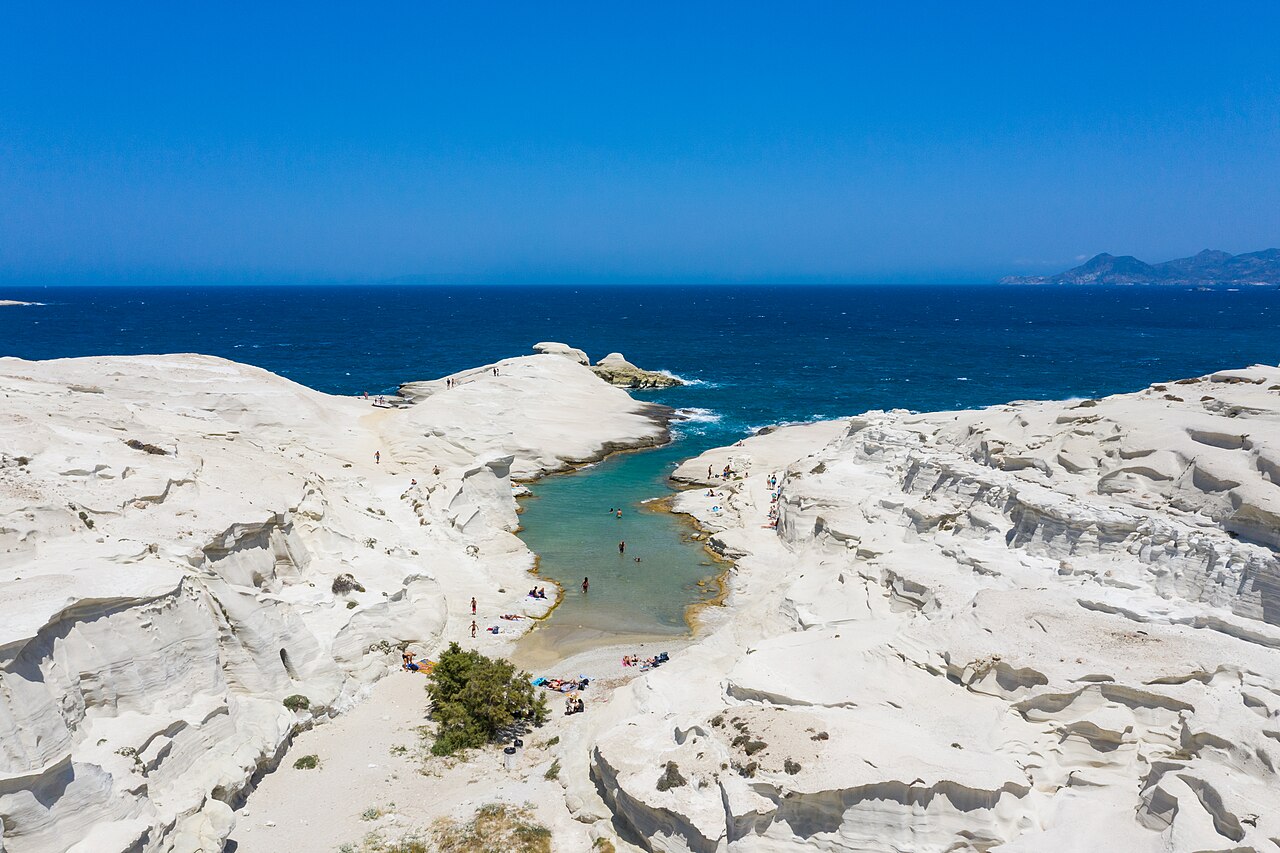
Milos asks you to think about wind direction. Sarakiniko's pale volcanic rock is remarkable, but the exposed north coast is not always suitable for swimming. On a rough day, enjoy the landscape from a safe position and seek advice about a sheltered alternative. Smooth rock, surf and a tempting photograph are not a good combination.
Boat excursions can reveal stretches of coastline difficult to reach overland. Their routes depend on sea conditions, however, and a particular cave or cove should never be treated as guaranteed. Choose an operator who explains weather decisions clearly. At fishing settlements such as Klima, remember that the colourful waterfront buildings are not simply visitor scenery; keep entrances clear and watch for waves along the narrow shore.
Make time for Sifnos
Sifnos brings food and ceramics into the centre of the trip. Apollonia and nearby settlements reward wandering, while coastal villages offer a different rhythm around their harbours and beaches. Pottery workshops make more meaningful stops when you ask about the work rather than browsing only for the smallest souvenir.
Walking is another reason to linger. Select a marked route appropriate to the weather, carry water and avoid exposed midday climbs in hot conditions. A short walk followed by a long lunch is often a better use of a summer day than an ambitious circuit. The quieter moments is what many visitors remember most.
The Small Cyclades: fewer plans, not no planning
Koufonisia, Schinoussa, Iraklia and Donoussa attract travellers looking for smaller settlements and a slower pace. They are not identical, and their ferry connections do not all follow the same pattern. Some journeys use services linking them with Naxos; others depend on particular operating days or seasonal routes.
Check accommodation before committing to a crossing, especially at busy times. Small islands have limited capacity, and arriving with a vague plan to find something can be stressful. Supplies and transport are also less extensive than on larger islands. Bring necessary medication and avoid assuming that every beach has shade, refreshments or an organised return journey.
Koufonisia's swimming spots can make a simple day feel complete. Elsewhere, a village stroll, a modest walk and an unhurried meal may be the main events. That is the appeal, provided you have chosen the island for its pace rather than expecting a miniature version of a larger resort.
Seasons, wind and breathing space
Late spring and early autumn often offer a pleasing balance of warmth and activity, but neither guarantees quiet streets or daily connections. Sea temperatures, business openings and sailing frequency vary through the season. If a specific restaurant, trail service or excursion matters to you, check directly before travelling.
The meltemi winds are particularly relevant in July and August. Strong northerly winds can make crossings uncomfortable and cause delays or cancellations. Smaller high-speed craft may be affected differently from larger conventional vessels, but no vessel type guarantees departure. Follow the ferry company's notices and instructions from port authorities rather than relying on yesterday's forecast.
Practical tips for an easier island hop
- Check each sailing with the operator for your actual travel date, including the arrival port and any required change of boat.
- Reserve busy summer crossings early, but read amendment and cancellation conditions before paying.
- Keep medication, water, sun protection and essential documents with you rather than buried in the luggage rack.
- Wear shoes that feel secure on ramps and harbour paving, and travel with luggage you can lift yourself.
- Reconfirm local buses and onward transfers when you arrive; late ferry arrivals do not always match convenient public transport.
- Leave spare time before flights and other expensive commitments, especially during windy periods.
Frequently asked questions
Can I combine Naxos, Paros and Milos in one week?
It may be possible with suitable sailings, but it is a transport-heavy choice. Naxos and Paros make a simpler pairing. Add Milos when you have enough time and have verified the connection, rather than building the holiday around an assumed direct boat.
Do I need a car on every island?
No. Port towns, local buses, walking routes and occasional taxis can cover many visits. A vehicle can help with scattered sights, particularly on larger islands, but availability and road confidence matter. Check rental conditions before taking any vehicle onto a ferry.
Should I book every night ahead?
In peak season, securing accommodation is sensible, especially on smaller islands. Flexibility is still useful, but it works best through changeable arrangements and spare days rather than having nowhere to sleep after a crowded crossing.
What happens if my ferry is cancelled?
Contact the operator or ticket agent for the options attached to your ticket, then update accommodation and onward travel providers. Do not assume an alternative boat will have space immediately. A route with breathing room gives you a better chance of treating an extra island day as part of the journey rather than a crisis.
Related guides
Dalmatia, Croatia
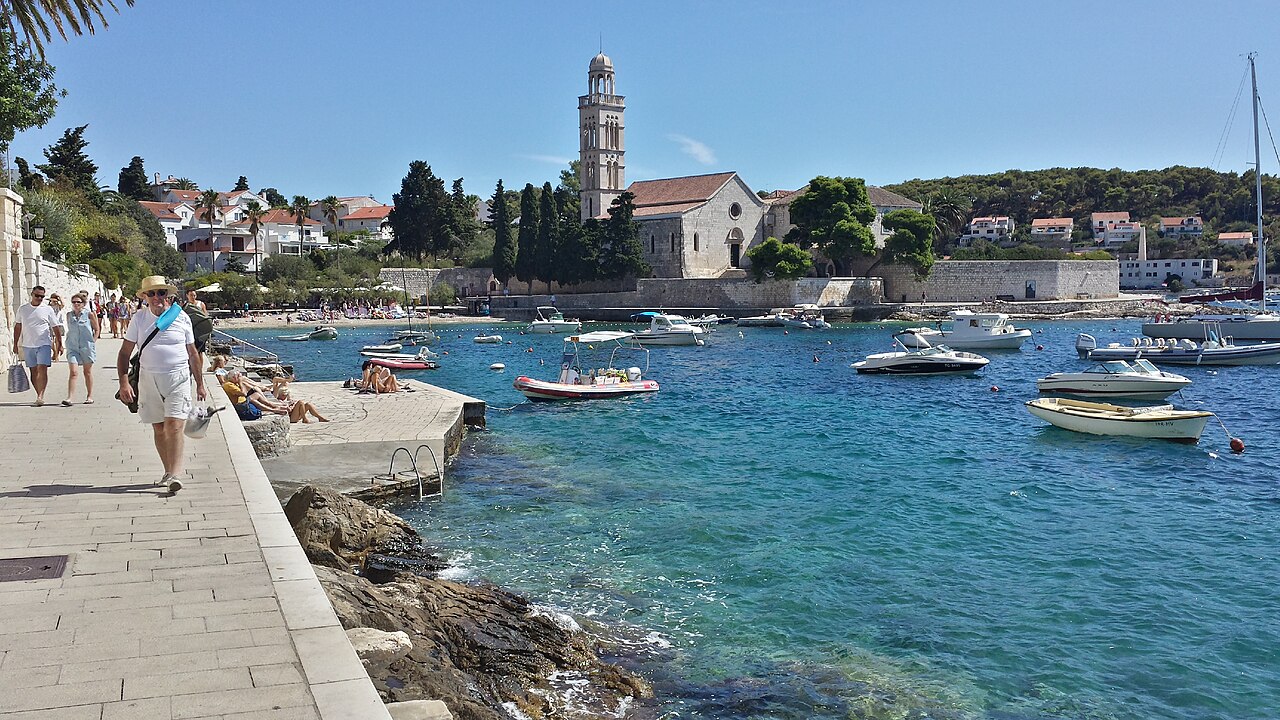
Croatia's Dalmatian Islands by Sea
Hvar, Korčula and their neighbours create one of the Mediterranean's most rewarding island routes.
Island Hopping · 8 min read

Andaman Sea, Thailand
Thailand's Andaman Islands: A Southern Route
Limestone cliffs, clear water and relaxed beaches make the Andaman coast a classic island-hopping route.
Island Hopping · 8 min read
Maldives, Indian Ocean
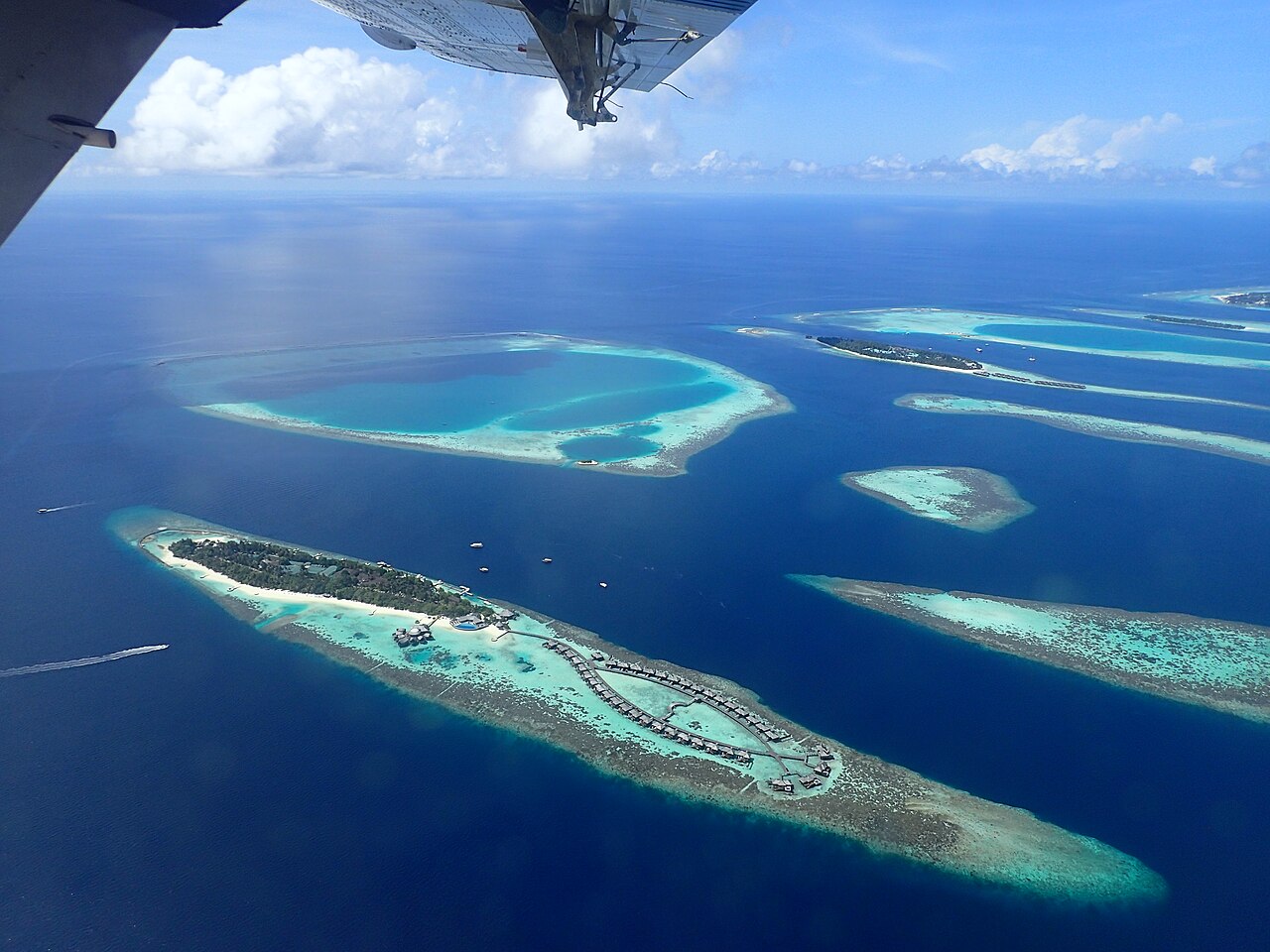
The Maldives: Learning to Read the Atolls
A nation of coral rings scattered across the Indian Ocean, where choosing an atoll matters as much as choosing an island.
Tropical Islands · 8 min read