Tasmania's Freycinet Coast
Granite peaks, white sand and quiet bays make Freycinet a peaceful coastal escape surrounded by nature.
Tasmania, Australia · 9 min read · IGANAVI Editorial Team
Published September 9, 2026 · Updated November 16, 2026
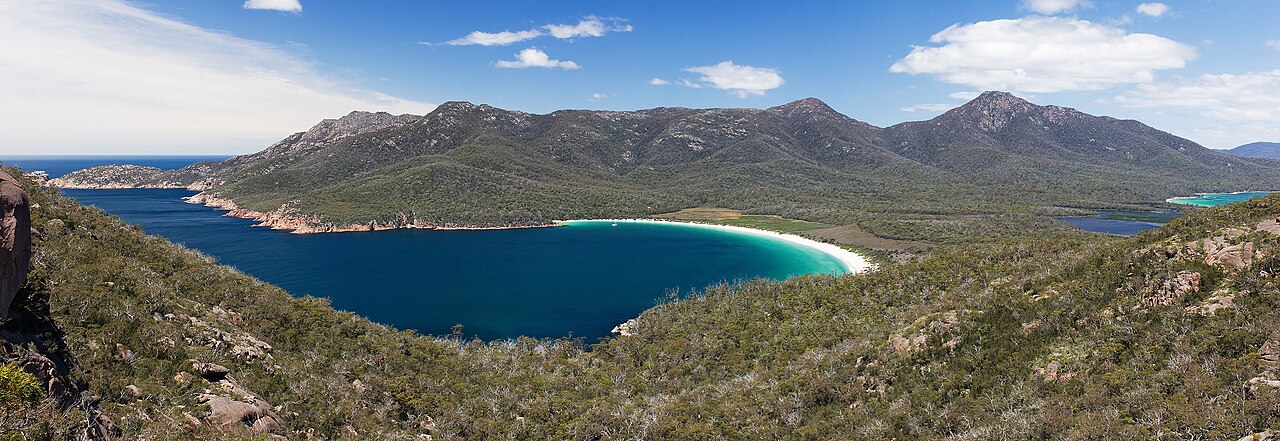
Pink granite does much of the work at Freycinet. It rises behind Coles Bay in rounded shoulders and broken faces, catches the evening light, then fades into a dark outline above the water. The beaches are pale, the sea often looks almost tropical, and the first cold splash quickly corrects that impression.
This is Tasmania's east coast, not an island resort detached from weather. A good stay leaves space for wind, a slower walk and an afternoon that amounts to little more than watching the Hazards from shore. Wineglass Bay deserves its reputation, but it need not consume the entire visit.
Find your bearings at Coles Bay
Freycinet National Park occupies much of the Freycinet Peninsula. Coles Bay is the practical gateway, with accommodation, food and access to the road leading into the park. The Hazards, the granite range behind the settlement, provide a constant reference point whether you are walking near the water or returning from a day out.
Most independent visitors arrive by road from Hobart or Launceston. Allow for a journey of several hours rather than treating Freycinet as a quick suburban excursion. Rural roads, stops and weather all affect arrival time. Public transport does not provide the same flexibility as a car here, so confirm the full route and any onward transfer before relying on it.
A valid Tasmania Parks and Wildlife Service parks pass is required to enter Freycinet National Park. Choose the pass that fits the rest of your Tasmanian itinerary, since a longer-validity option may suit a trip involving several parks. Accommodation charges, campsite fees and commercial activities are separate from park entry unless explicitly included.
Give Wineglass Bay the time it needs
The Wineglass Bay lookout track climbs through woodland and granite terrain to the celebrated view of the bay's curved beach. It is a formed walking route, but it includes steep sections and steps. The official description rates it Grade 3, with some bushwalking experience recommended; it is not a level promenade or a universally accessible viewpoint.
Wear shoes with grip and carry water. Warm weather can make the climb more tiring than the distance suggests, while wet surfaces require care. Follow the marked track and remain behind barriers at the lookout. Stopping for breath is perfectly sensible, and there is no need to match the pace of the people ahead.
The lookout and the beach are different outings
Reaching the lookout does not mean you have reached Wineglass Bay beach. Continuing down adds a substantial descent, followed by the climb back if you return the same way. Decide before descending whether everyone in your group has the energy, water and daylight for the whole outing.
The beach itself has no road access. Do not descend expecting a cafe, a taxi or an easy shortcut back to the car. Carry lunch if you want a long pause, remove every scrap afterwards and remember that the beach is unpatrolled. Clear water does not cancel cold temperatures, swell or currents.
Longer routes need a separate plan
The Wineglass Bay and Hazards Beach circuit extends the experience across the peninsula and around its western side. It is a proper longer walk, not a small add-on to the lookout. Consult the current Parks and Wildlife Service track notes, allow sufficient daylight and check any closures before leaving.
More remote peninsula walks demand greater preparation again. Camping arrangements, drinking-water availability, route conditions and emergency communication all need attention. Do not assume a short sightseeing visit has equipped you for a multiday trip simply because both begin at the same car park.
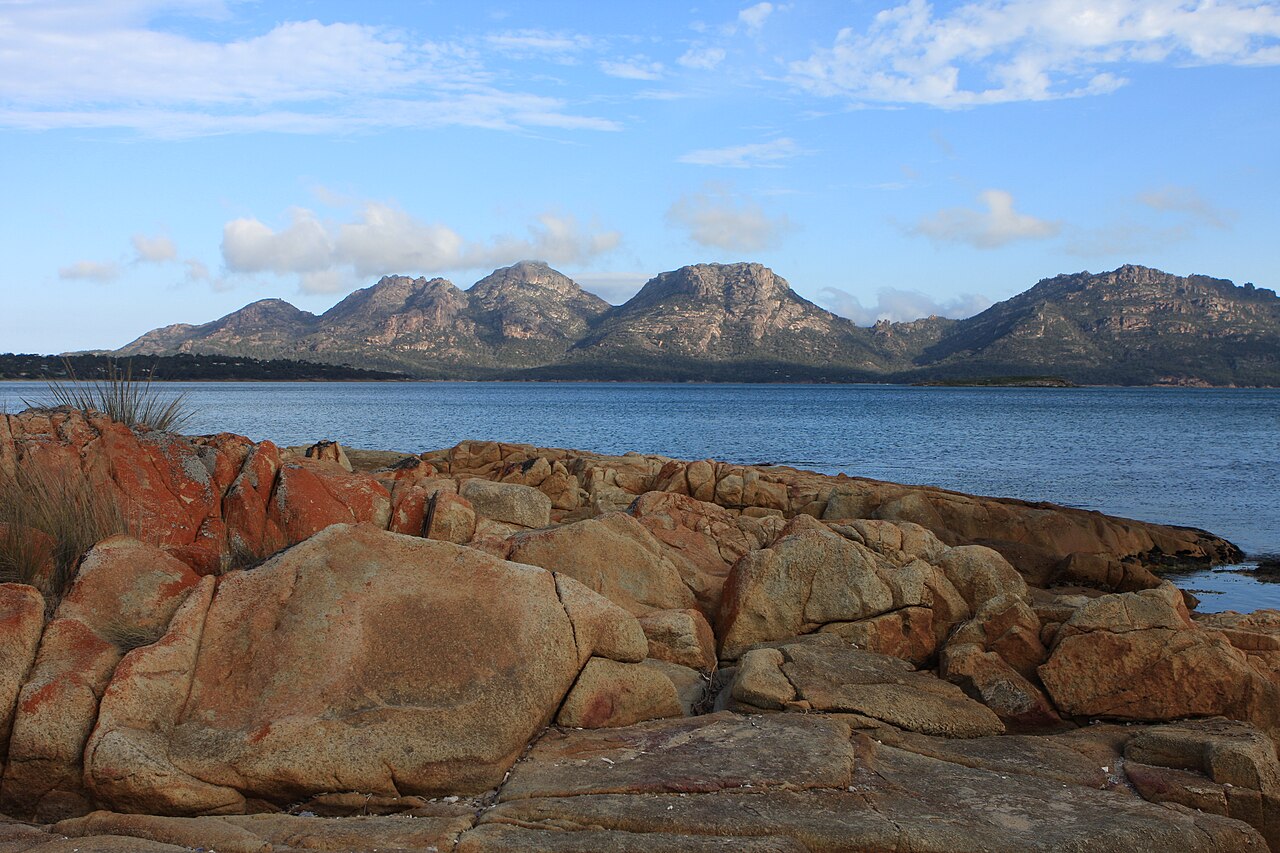
A quieter coast beyond the famous view
Honeymoon Bay is an appealing place to slow the day down, with granite, woodland and sheltered-looking water close together. Conditions still matter, especially with children near the shoreline. Take a picnic, find a durable place to sit and leave room for other visitors rather than turning a small cove into a private camp.
Sleepy Bay shows a rougher edge of the coast. Its rock formations and wave movement make it interesting even when swimming is unwise. Cape Tourville offers a shorter coastal outing with a formed circuit and broad sea views. Check official accessibility information if steps, gradients or surfaces are a concern rather than assuming every short walk is suitable.
The shared Freycinet Walk and Cycle Track offers another perspective, linking the Ranger Creek area with the main walking tracks area through coastal woodland. It is useful for a gentler outing, although the full distance still needs planning. Follow the signs at road crossings, and cyclists should give way to walkers.
Choose accommodation for how you want to spend the day
Coles Bay suits visitors who want relatively convenient access to the park and somewhere nearby to eat. Properties farther along the coast can offer more separation from the busiest trailheads, but that usually means additional driving. Read the actual location carefully; a broad Freycinet address does not necessarily mean you can walk to dinner or the park entrance.
Cabins, holiday houses, campgrounds and more elaborate lodges all exist in the region. Practical details matter as much as the view. Check heating for a cool-season stay, kitchen facilities if you prefer to cook, and arrival arrangements if you expect to reach the area late.
Park camping needs its own arrangements. Some popular periods use special allocation or booking procedures, and a parks pass alone does not reserve a campsite. Consult the current official Freycinet camping information before setting out. Never assume an apparently empty patch beside a beach is available for camping.
Two or three nights allow a more comfortable rhythm than a single hurried stop. Put the longest walk on the best forecast day and keep a shorter coastal outing in reserve. A wet morning is easier to accept when it does not represent your only chance to see the peninsula.
Eat locally without turning lunch into another deadline
Tasmania's east coast is associated with seafood, especially oysters, as well as wine and other regional produce. Coles Bay and the surrounding district offer places to try these, but opening days and kitchen hours vary. Check ahead if there is somewhere specific you want to visit, especially outside peak season.
For a walking day, collect food before reaching the trailhead. A simple packed lunch gives you freedom to linger without racing back for a reservation. Carry enough water for the complete route and do not rely on streams or campground supplies being available or safe without treatment.
If visiting a vineyard or enjoying wine with lunch, arrange a designated driver or another safe transport option. Distances on the east coast can be longer than they first appear. A leisurely meal loses its charm if the return drive becomes a rush against darkness.
Watch wildlife without recruiting it to lunch
Wallabies, echidnas and many birds inhabit the peninsula. Pause quietly when an animal is close to the track, and give it a route away. Food changes wildlife behaviour, so keep snacks secured and do not feed animals, even when they seem accustomed to people.
Dolphins, seals and migrating whales may sometimes be seen offshore, but sightings are not guaranteed. A headland stop is worth making for the coast itself. Binoculars help you watch from a distance without approaching resting wildlife or stepping outside marked areas.
Driving after dark requires particular caution. Slow down, scan the road edges and avoid planning a long evening transfer after a strenuous walk. Wildlife can appear suddenly, and fatigue makes the situation worse. There is usualy less pressure if you stay nearby rather than pushing on to the next town.
Seasons, weather and practical tips
Summer, roughly December to February, brings long daylight hours and the busiest holiday periods. Warm days can favour beach time, but the sea remains cool and heat can make exposed walking uncomfortable. Sun protection is useful even when the air does not feel hot.
Autumn often appeals to walkers, although calm weather is never assured. Winter has shorter days and colder starts, with fewer people at many sites. Spring can bring lively changes in wind and rain. In every season, a forecast for the actual coast is more useful than a general impression of Tasmania's climate.
- Buy the appropriate parks pass and keep proof available as instructed by Parks and Wildlife Service.
- Check official park alerts, fire restrictions and track closures shortly before arrival and again before a long walk.
- Pack a waterproof layer, warm clothing, sun protection and a small first-aid kit.
- Download maps and essential details before leaving reliable reception; mobile coverage is not continuous.
- Tell someone your route and expected return when heading beyond the busiest short tracks.
- Treat Mount Amos as a separate, demanding scramble with serious exposure and slippery rock, not an alternative lookout stroll.
- Use designated parking and never block access when the main walking tracks car park is busy.
A small towel and spare socks can make the drive back more comfortable after a beach stop. Keep rubbish secured against wind, including food scraps. The simplest habits makes a difference in a place where birds and mammals quickly learn to investigate visitors' bags.
Frequently asked questions
Do I need a parks pass just to visit the lookout?
Yes. The Wineglass Bay lookout is inside Freycinet National Park, where a valid parks pass is required. Check which pass covers your party and vehicle. Camping and guided activities may involve separate payments or reservations.
Can I drive to Wineglass Bay beach?
No road leads to the beach. The usual land approach is on foot via the lookout and a further descent. Sightseeing cruises offer a different perspective, but their routes and landings depend on the operator and conditions, so do not assume they provide a beach transfer.
Is Freycinet suitable for visitors who do not want steep walks?
Yes, provided the visit is planned around suitable places rather than the assumption that everyone must reach Wineglass Bay lookout. Coles Bay's shore, selected short outings and coastal viewpoints can make a rewarding stay. Check individual track accessibility with the park service before choosing.
Is swimming part of a Freycinet visit in winter?
It can be for experienced cold-water swimmers, but it is not something to take lightly. Cold shock, swell and unpatrolled beaches deserve respect at any season. Walking beside the water and watching the changing granite colours may be the better choice, and requires no bravery at all.
Related guides

Amalfi Coast, Italy
Cliffside Stays on the Amalfi Coast
Terraced villas, lemon gardens and sea-view balconies define the Amalfi Coast's most beautiful places to stay.
Coastal Hideaways · 8 min read
Bora Bora, French Polynesia
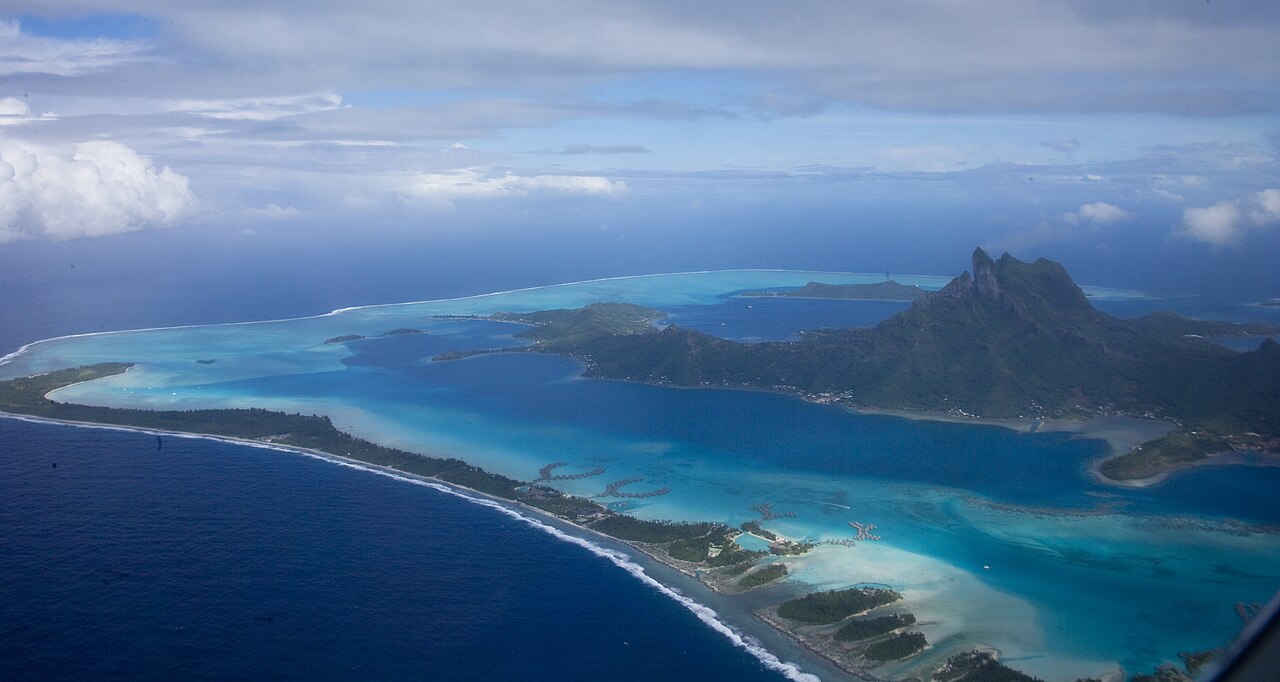
Bora Bora: Life on the Lagoon
A volcanic peak ringed by a turquoise lagoon makes Bora Bora the classic setting for overwater stays.
Coastal Hideaways · 8 min read
Seychelles, Indian Ocean
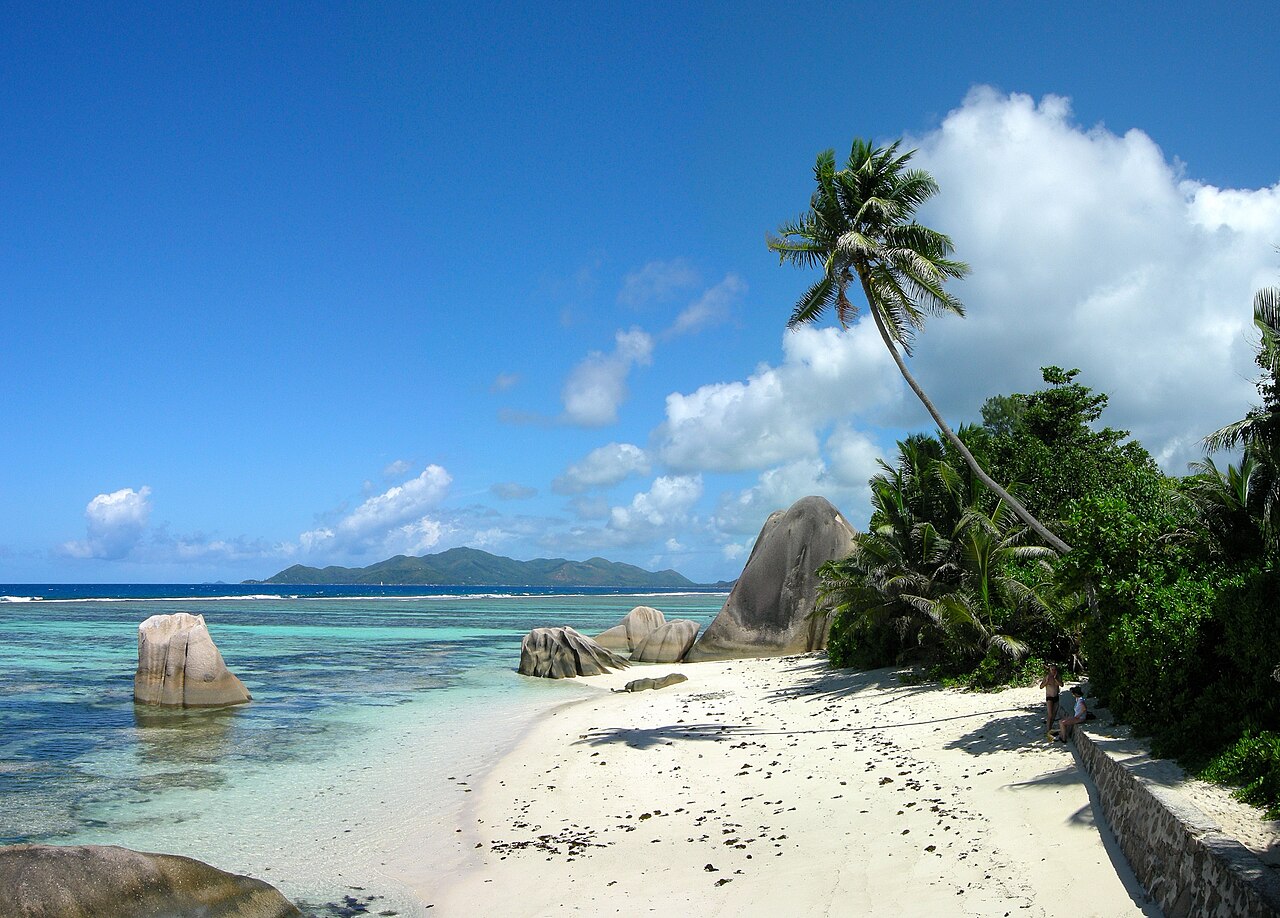
Seychelles: Granite Boulders and Endless Light
Ancient granite, quiet coves and forested peaks make the Seychelles feel unlike any other tropical archipelago.
Tropical Islands · 9 min read