Bora Bora: Life on the Lagoon
A volcanic peak ringed by a turquoise lagoon makes Bora Bora the classic setting for overwater stays.
Bora Bora, French Polynesia · 8 min read · IGANAVI Editorial Team
Published April 3, 2026 · Updated November 16, 2026
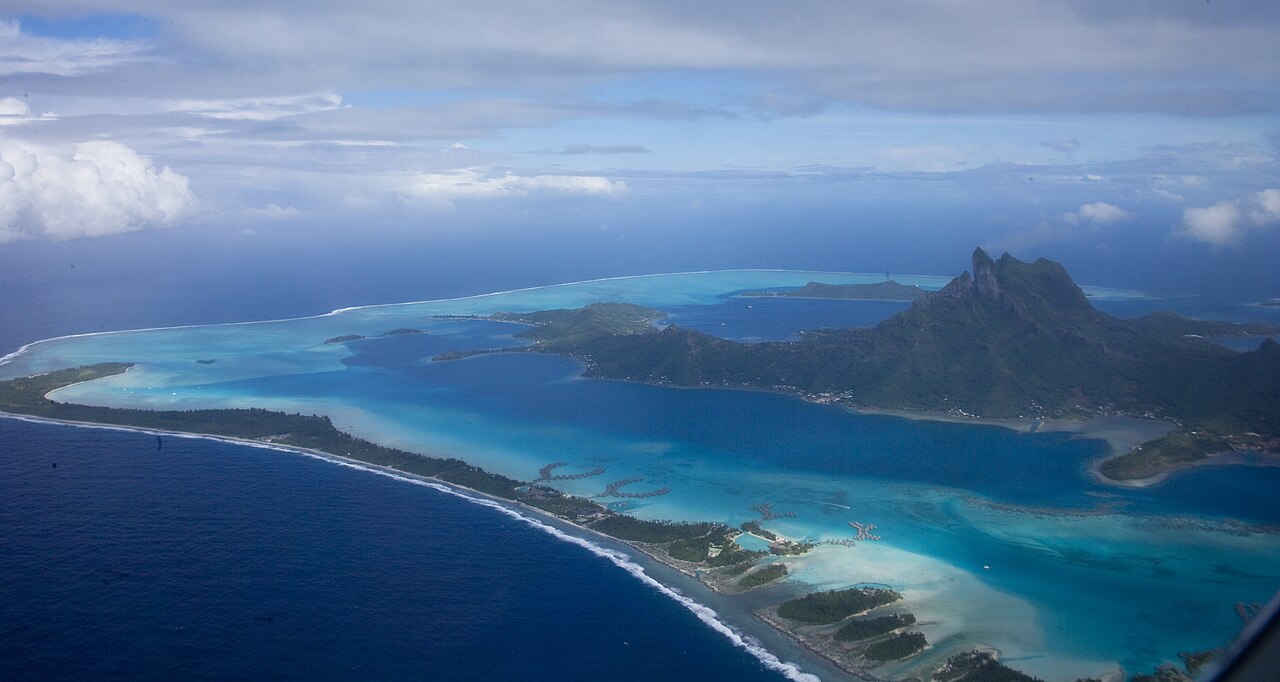
Bora Bora makes more sense once you stop seeing it as a single hotel photograph. There is the mountainous main island, with its coastal road and villages; the lagoon, crossed by boats and striped by changes in depth; and the motu, the low islets along the reef where many resorts sit. Where you sleep determines how you move between these worlds.
Mount Otemanu holds the scene together. Its broken volcanic profile rises above palms and rooftops, sometimes sharply outlined, sometimes lost behind cloud. The lagoon may be the reason you came, but the mountain gives every crossing a direction and every changing patch of light something to catch.
Arriving from Tahiti
Most visitors reach Bora Bora on a domestic flight from Tahiti. International arrivals generally enter French Polynesia through Tahiti's airport at Faa'a, near Papeete, before connecting onward. Check current airline schedules and allow sensible time between flights, particularly when your international service arrives late or leaves early.
Bora Bora's airport is on Motu Mute, not beside the main island's road. A boat journey is part of the arrival. Your onward arrangement might involve a resort launch or an airport boat connection followed by a road transfer. Confirm what is included, where you will be met and how the return transfer matches your departure flight.
Keep medicines and essentials with you, and check the domestic carrier's baggage rules before packing snorkeling or diving equipment. If an overnight stay on Tahiti is necessary, treat it as part of the trip rather than a failed connection. An unhurried morning is preferable to worrying through every minute of a delayed arrival.
Choosing your side of the lagoon
A motu stay
A motu resort can feel wonderfully separate. Breakfast, beach time and a lagoon outing may all happen without touching the main island. That separation has consequences, though: restaurant choices, independent outings and evening trips depend on boat timetables and transfer costs. Ask about them before committing to a particular location.
Orientation matters as much as room category. Some rooms face Otemanu; others look across open water or toward neighbouring buildings. Wind exposure, boat traffic and the distance to communal areas vary within the same property. Request a map and describe what you actually value, whether that is privacy, step-free access or an easy walk to breakfast.
Staying on the main island
Guesthouses, small hotels and beach accommodation put a different Bora Bora within reach. You can arrange lagoon excursions while having more direct access to shops, local restaurants and the road. This is not automatically inexpensive, but it can offer greater independence than staying somewhere reached only by boat.
Matira is a useful area to consider for beach access and nearby services. Elsewhere, check whether the shoreline is suitable for swimming and whether you need transport for meals. A waterfront address does not necessarily mean a sandy public beach outside the door.
What an overwater bungalow really offers
The appeal is immediate: a ladder into blue water, moving reflections on the ceiling, and a deck where the day's main event might be a passing fish. Some bungalows have glass panels, but designs and settings vary. Do not assume every room offers the same view or the same depth beneath its steps.
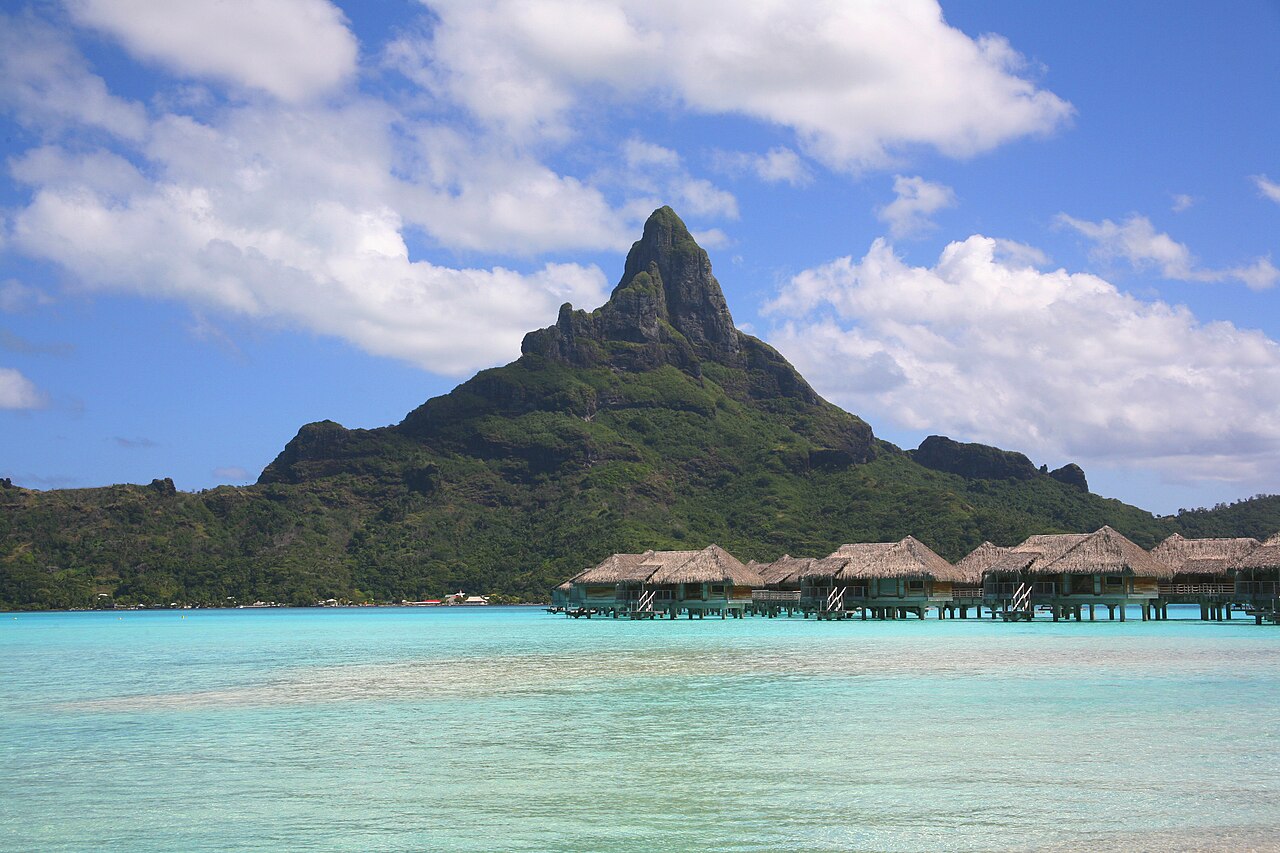
Ask about currents, swimming boundaries and access ladders. Children and less confident swimmers may find a beach room more comfortable, and a ladder is not accessible for everyone. Privacy also varies; excursions and service boats may pass nearby, while neighbouring decks can be closer than promotional angles suggest.
Air conditioning, lights and long showers all have an environmental cost on an island. Enjoy the comfort without treating resources as limitless. Reuse towels where practical, switch things off when leaving and ask thoughtful questions about waste and water management rather than relying on vague sustainability claims.
Exploring without crowding the lagoon
Coral gardens and guided snorkeling
Choose an operator who explains conditions before anyone enters the water. Sites differ in depth, exposure and current, and a guide should match the outing to the group rather than promise an identical experience every day. Tell them if you have limited swimming experience or need additional flotation.
Stay horizontal above coral, keep fins clear and never stand on living reef. If you need to rest, signal your guide rather than grabbing the nearest coral head. A good briefing also covers boat propellers, entry points and how swimmers will be counted back aboard.
Rays and reef sharks feature in some excursions, but encounters should not become a handling session. Avoid operators who encourage touching, restraining or pursuing wildlife, and ask whether animals are fed. Watching natural behaviour from a respectful distance is a better choice than demanding a close photograph.
Paddles, sails and quiet water
A kayak or paddleboard offers a smaller-scale view of the lagoon. Start within the area approved by your accommodation or rental operator, wear appropriate flotation and ask about wind direction. A gentle outward drift can become a tiring return when the breeze builds.
Do not paddle through private property or use any motu beach as an automatic landing place. Shore access and permissions vary. Likewise, keep clear of navigation channels and give working boats room. The lagoon is transport infrastructure and habitat, not an empty recreation pool.
Going ashore on the main island
Vaitape is Bora Bora's principal settlement, a place for errands, shops and everyday movement rather than a purpose-built resort promenade. Spend some time there if you want a broader impression of the island. Opening hours can be limited, especially on Sundays, so do not leave essential purchases until the last moment.
The coastal road can be explored with suitable transport, but cycling requires judgment. Heat, passing traffic and stretches without generous space make it less carefree than a map suggests. Carry water, protect yourself from the sun and choose a vehicle if the distance or conditions exceed your comfort.
For walks inland, use established routes and local advice. The volcanic slopes are steep, weather can change quickly and some land is private. Mount Otemanu is not a casual summit walk. If you want a mountain outing, discuss realistic guided options rather than following an unverified route from a social post.
Polynesian craft and performance deserve attention beyond a themed dinner. Ask about locally made work, learn who produced it and photograph people only with permission. A few courteous greetings help, but listening matters more than turning an encounter into a performance of your own knowledge.
Timing the light and the weather
Bora Bora stays warm throughout the year. Roughly May to October is generally drier and less humid, while November to April tends to be wetter and hotter. Neither period guarantees a particular sky. Rain can pass quickly, linger over the peaks or change the visibility on a planned boat day.
Wind is another consideration, particularly for open-water activities and exposed rooms. Discuss sheltered alternatives with local operators. During severe weather, follow official French Polynesian weather advice and the instructions of your hosts; an attractive lagoon can still become unsafe.
Rather than filling every day, leave an open slot after an important excursion. It gives you flexibility if weather interferes and space to enjoy the island without another departure time. A slow breakfast with the mountain emerging from cloud is hardly wasted time.
Practical tips for a lagoon stay
- Confirm airport boat transfers, main-island shuttles and any extra charges directly with your accommodation.
- Carry a payment backup and some Pacific francs for smaller purchases; check access to cash before leaving the main island.
- Bring sun-protective clothing and use shade, rather than relying only on sunscreen labelled as reef-friendly.
- Ask about meal plans, restaurant opening days and dietary requirements before arriving at an isolated property.
- Use a dry bag on smaller boats and keep cameras secured while boarding.
- Check that insurance covers your planned diving, boating or other activities.
- Leave shells, coral and other marine material where you find them, and check regulations before buying wildlife products.
A light layer is usefull on breezy crossings, even after a hot afternoon. There is also less fuss at dinner if you have packed something comfortable beyond swimwear.
Questions about Bora Bora
Must I book an overwater bungalow?
No. The lagoon and mountain belong to the whole setting, not one room type. A beach room or main-island guesthouse can be a better match for independence, mobility or the way you want to spend your days.
Can I swim anywhere in the lagoon?
No. Currents, boat routes, private access and changing conditions all matter. Use locally approved swimming areas and follow your guide's instructions on excursions. Clear water does not make depth or movement easy to judge.
Is Bora Bora only for couples?
No. Families, friends and independent travellers can enjoy it, but should choose accommodation and activities accordingly. Check age restrictions, child safety around water and transfer arrangements instead of assuming every property welcomes the same kinds of guest.
How much time should I leave for Tahiti connections?
Use the airlines' current advice and consider separate tickets, baggage collection and potential delays. A buffer night may be sensible. Confirm the whole journey, including the airport boat on Bora Bora, rather than looking only at the flight duration.
Related guides
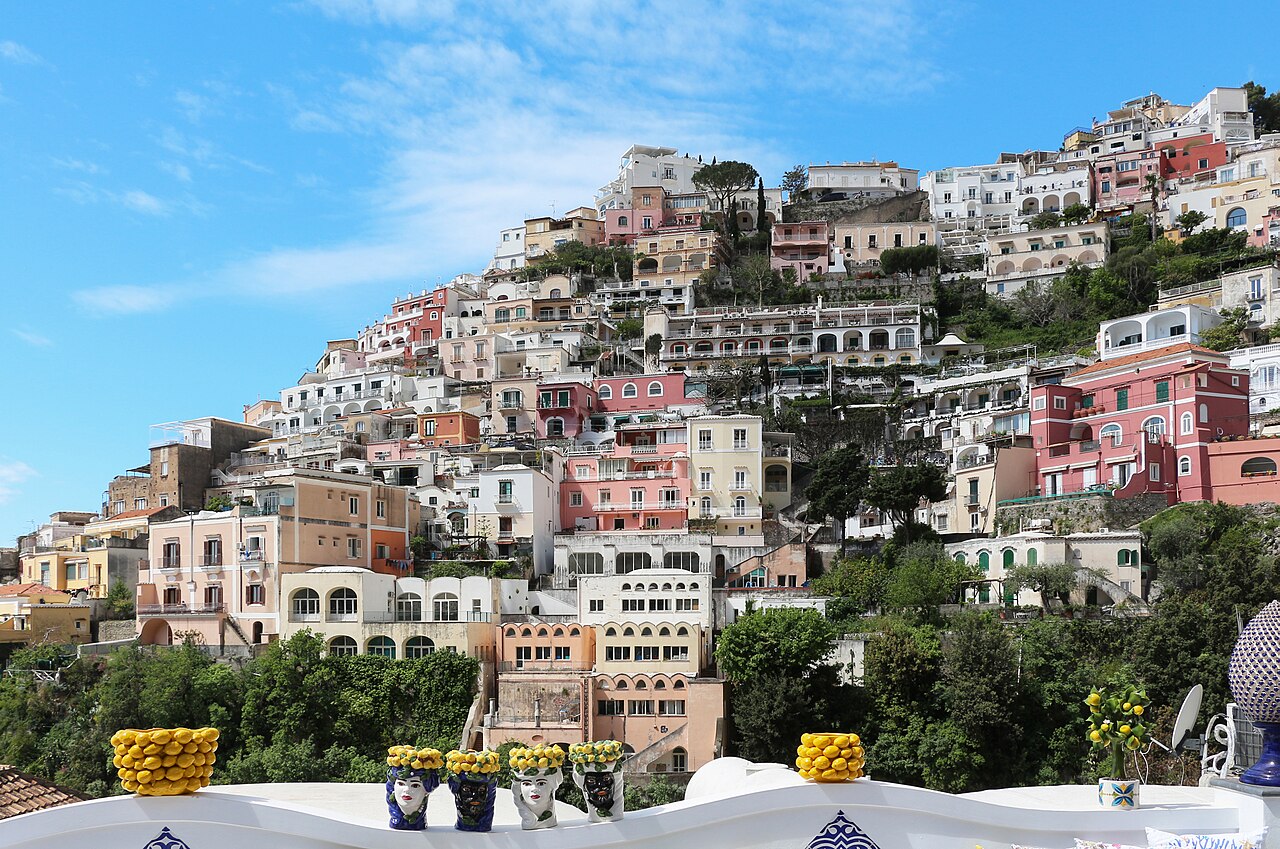
Amalfi Coast, Italy
Cliffside Stays on the Amalfi Coast
Terraced villas, lemon gardens and sea-view balconies define the Amalfi Coast's most beautiful places to stay.
Coastal Hideaways · 8 min read
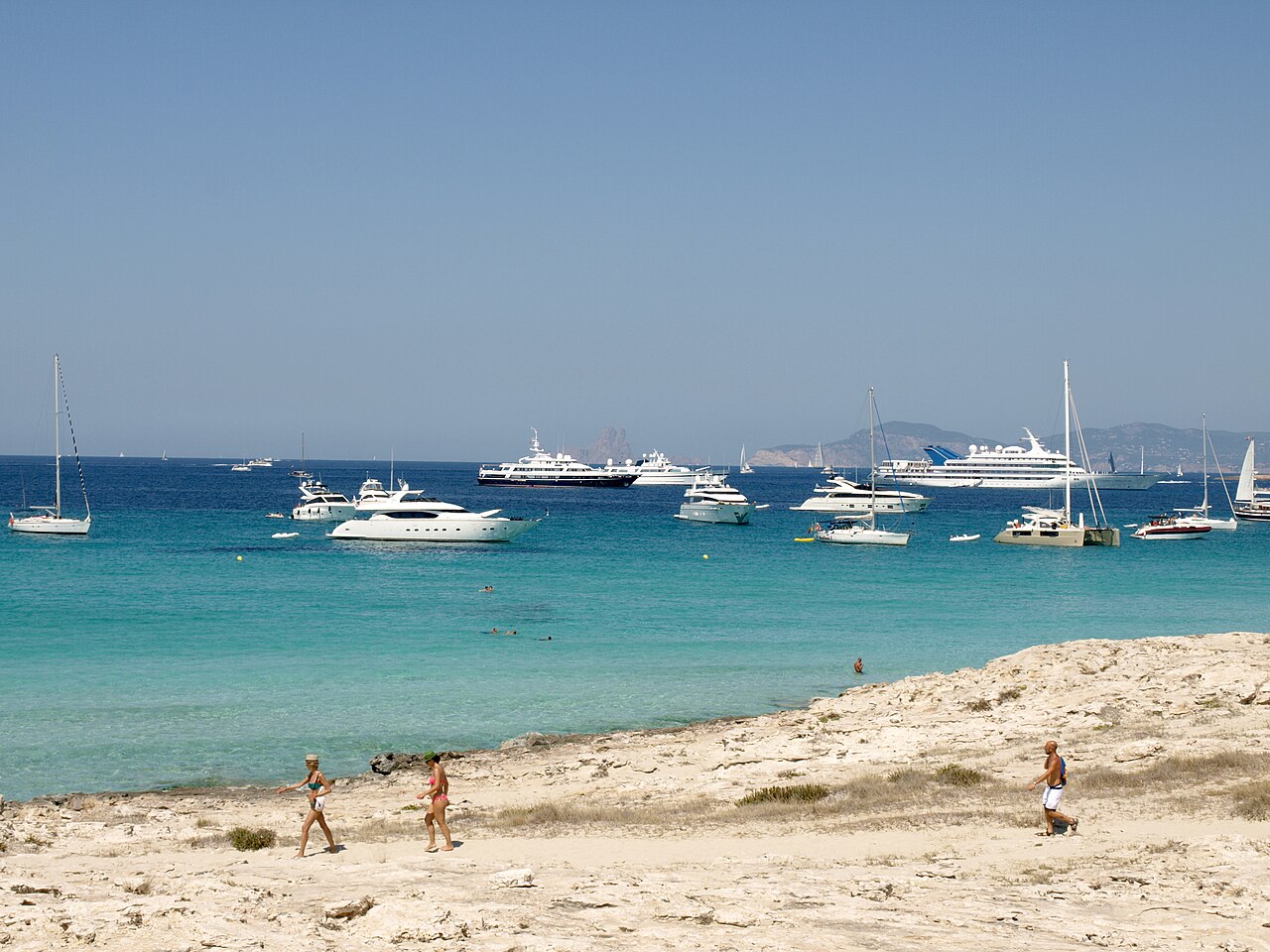
Balearic Islands, Spain
Formentera: Slow Days at the Edge of the Balearics
Find sea-view stays, quiet coastal rides and unhurried days on Formentera, beyond the busiest beaches.
Coastal Hideaways · 9 min read
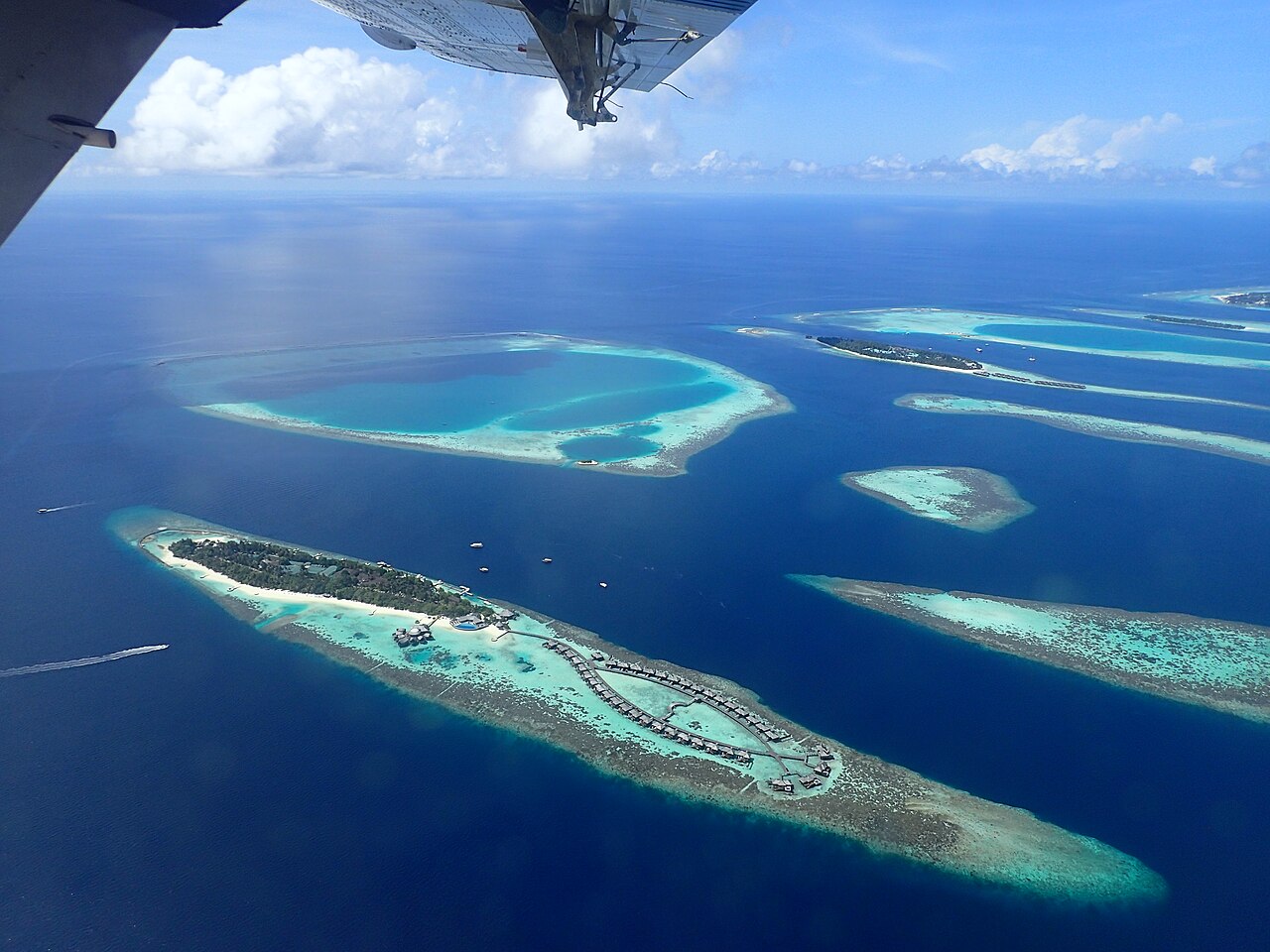
Maldives, Indian Ocean
The Maldives: Learning to Read the Atolls
A nation of coral rings scattered across the Indian Ocean, where choosing an atoll matters as much as choosing an island.
Tropical Islands · 8 min read