Cliffside Stays on the Amalfi Coast
Terraced villas, lemon gardens and sea-view balconies define the Amalfi Coast's most beautiful places to stay.
Amalfi Coast, Italy · 8 min read · IGANAVI Editorial Team
Published March 8, 2026 · Updated November 16, 2026
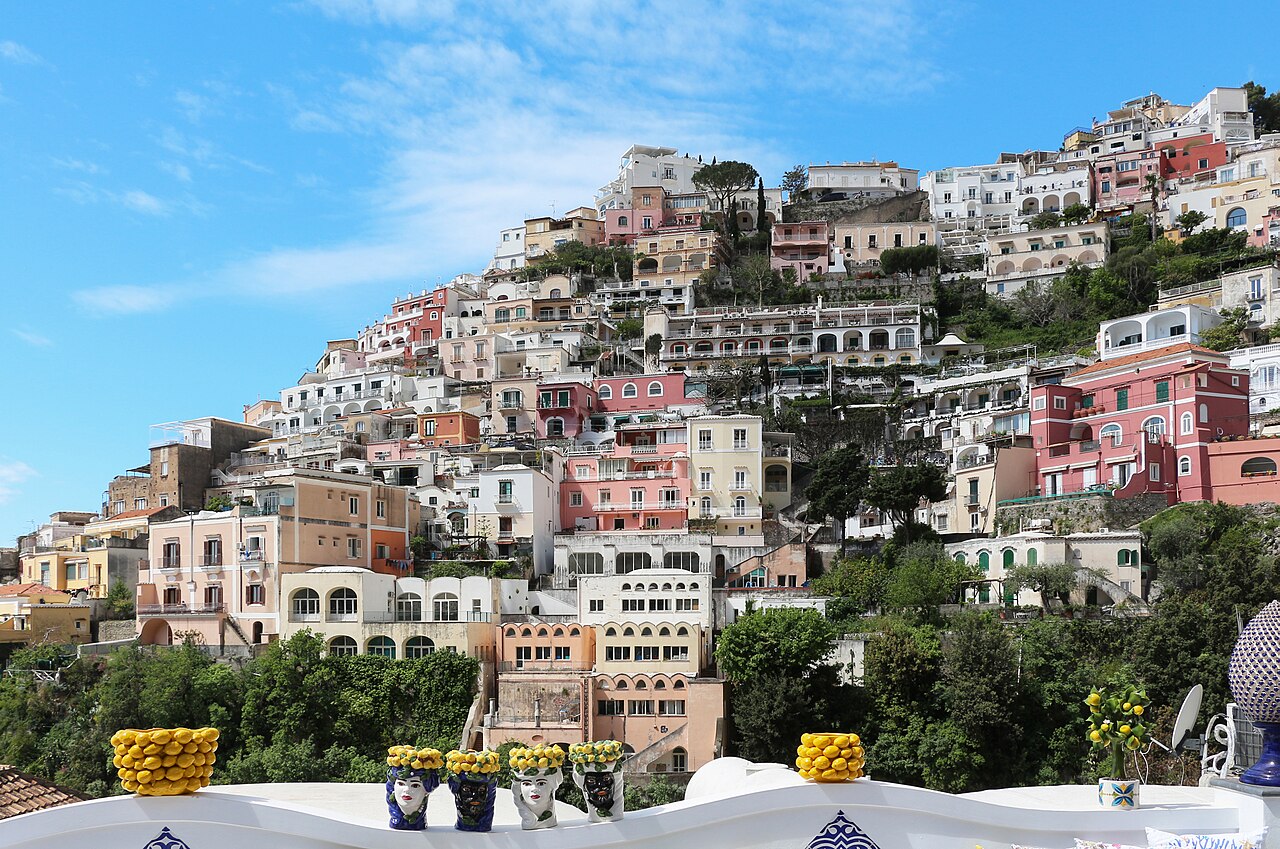
A sea view on the Amalfi Coast can come with a surprisingly physical daily routine. Breakfast might be on a terrace above a blue gulf, but the beach is down a long staircase and dinner involves climbing back again. Choosing where to stay means looking beyond the balcony photograph to the route you will walk with a bag, after dark, or in afternoon heat.
That does not make the cliffs less appealing. Terraces, lemon gardens and houses fitted into steep slopes are the essence of this coast. The trick is matching the setting to the holiday you want: swimming every morning, quiet evenings above the sea, or a base from which to explore without constantly negotiating the coastal road.
Read the landscape before choosing a room
The Amalfi Coast occupies the southern side of the Sorrento Peninsula, with settlements linked by the winding SS163 road and a network of paths and stairways. Its UNESCO-listed cultural landscape is shaped by cultivation and building on difficult terrain. What looks like an inconvenient flight of steps to a visitor is part of the structure of everyday life here.
Distances on a map can be deceptive. A property close to a beach in a straight line may be far above it. Another beside the road may be easier for luggage but exposed to traffic noise. Ask for the actual walking route to the nearest bus stop, ferry landing and restaurant, not simply a distance measured from one pin to another.
Questions worth asking before you commit
Find out whether a taxi can reach the entrance, how many steps remain after drop-off, and whether luggage assistance needs arranging. A lift inside a building does not solve an outdoor staircase leading to it. Ask whether the terrace is private or shared, whether the advertised sea view is from your room, and how much shade it receives.
For anyone with limited mobility, request specific measurements and photographs where useful. Descriptions such as easy access or a short walk are subjective. The same care helps families carrying pushchairs and travellers who are perfectly happy walking downhill but less comfortable with a steep return after dinner.
Positano: the view and its price in steps
Positano's buildings cascade towards the water in layers of pale colour. Staying high on the slope can give a broad outlook over roofs and sea, while a lower base puts the beach and ferry landing closer. Neither is automatically better. Decide whether the view or the convenience matters more for your particular days.
The main pedestrian routes can be busy, especially when ferries arrive and day visitors circulate between shops and the beach. A room above the busiest lanes may feel removed from that movement, but road noise can replace pedestrian noise. Ask which direction the bedroom faces and whether outdoor dining areas are nearby.
When Positano makes sense
Choose it if you want the town itself to be a major part of the trip, rather than somewhere to photograph between excursions. An early swim, time back at your accommodation and a late stroll can be more enjoyable than leaving every morning for another destination. Pack shoes that grip well on worn paving. There is alot of up and down even on a supposedly lazy day.
Ravello: gardens above the coast
Ravello exchanges immediate beach access for height, gardens and long views. Villa Rufolo and Villa Cimbrone are major reasons to visit, though opening arrangements, events and access conditions should be checked directly. Villa Cimbrone's Terrace of Infinity is especially celebrated for its outlook above the coastline.
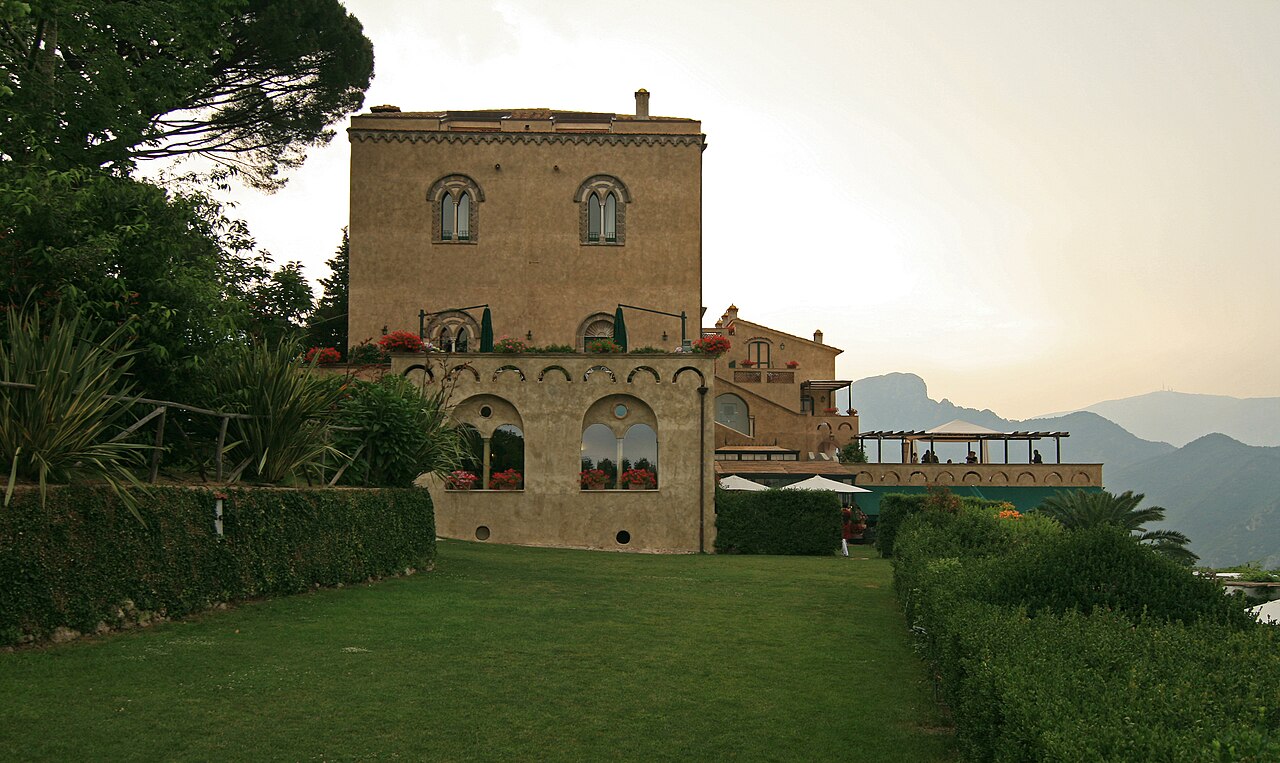
A stay here suits travellers who enjoy mornings in a small hill town and evenings that do not revolve around the shore. It can feel calmer than the busiest waterfront centres, but it is not disconnected from tourism. Concerts, weddings and day visits can shape the atmosphere around particular streets and properties.
Reaching the sea requires planning. There are walking routes down towards the coast, but they involve substantial descent and a demanding climb if you return on foot. Bus or taxi travel takes road time and can be affected by congestion. Do not choose Ravello for effortless beach access unless your accommodation offers arrangements you have checked carefully.
Praiano, Atrani and the value of a smaller base
Praiano lies between Positano and Amalfi, spread across a steep landscape rather than gathered around one compact centre. Some positions enjoy memorable evening light, but orientation matters: a general promise of sunsets should not replace checking the actual terrace outlook. Access to swimming places can involve long stairways.
It is a good candidate for travellers who want to remain in one neighbourhood for part of each day. Confirm what is within comfortable walking distance, especially if you will not have a car. A nearby restaurant that is closed on your arrival evening is not much help after a late transfer.
Atrani offers a more enclosed setting, with a small square and a beach tucked beneath the buildings. Its proximity to Amalfi can be useful, but check the current recommended pedestrian connection and follow signed routes rather than improvising along exposed road sections. Rooms around a lively square may hear the evening as well as see it.
Do not overlook Amalfi itself
Amalfi can be a practical base for buses and seasonal ferries, with services and places to eat close together around its centre. That convenience brings crowds. If transport access is your priority, compare a central room with a more elevated property and be honest about how often you want to climb between them.
Getting around without making driving the holiday
SITA Sud buses connect key coastal towns and inland destinations, including routes serving Ravello and the Agerola area. Consult the current operator timetable and ticket guidance before travelling. Summer services can be crowded, and having a ticket does not guarantee an immediate seat or space on the first bus.
Ferries from Salerno provide a useful approach to the coast, with seasonal services linking destinations such as Amalfi and Positano. They can also make town-to-town travel more pleasant than a congested road journey. However, routes, departure piers and operating seasons vary by company, and rough seas can interrupt service. Confirm the exact landing point, particularly in Salerno, rather than assuming every boat uses the same pier.
Cars and the SS163 restrictions
The SS163 is narrow, winding and heavily used. Parking can be difficult, and an accommodation listing with parking may mean an off-site arrangement that needs advance confirmation. Ask about vehicle size limits, access routes and charges directly rather than discovering them on arrival.
Alternate plate-number traffic rules operate on the SS163 during designated peak periods, with dates, hours, exemptions and enforcement governed by current ordinances. Do not rely on a remembered odd-even rule from a previous summer. For 2026 travel, check the current ANAS and local authority notices, and ask your accommodation how the rules affect your arrival. A rental car does not automatically escape restrictions.
Walking above the water
The Path of the Gods is a hiking route, not a promenade to attempt in beach sandals. The familiar section starts from Bomerano, in Agerola, and heads towards Nocelle above Positano. Reaching central Positano afterwards requires further walking, including many steps on some options, or an onward transport connection.
Check current trail conditions and any closures before setting out. Carry water, sun protection and suitable footwear, start early in warm weather and avoid walking in dangerous heat or poor conditions. Exposed sections may be uncomfortable for anyone uneasy with heights. A local guide can help with route decisions, but no itinerary should override weather warnings.
Seasons and the room you will actually use
Spring and early autumn can be lovely for walking and outdoor meals, although holiday periods remain busy and rain is possible. Summer makes shade, reliable cooling and convenient swimming access more valuable. A west-facing terrace may be beautiful at dusk but uncomfortable through a hot afternoon without shelter.
Winter offers a different coast, with reduced ferry services and some businesses closed. It can suit a quiet stay if transport and meals are arranged realistically. Ask what remains open nearby rather than assuming the summer choice of restaurants will be available. The details matters more when alternatives are limited.
Practical tips for a cliffside stay
- Pack luggage you can manage on steps, and arrange any porter assistance before arrival.
- Keep the accommodation's telephone number and precise meeting point available offline for your transfer.
- Ask about beach access, public areas and seasonal facilities; a sea view does not imply a private beach.
- Carry a small torch or use a charged phone light on poorly lit stairways, taking care not to dazzle others.
- Reserve time to stay put. A terrace is of little value if every day is spent rushing between distant towns.
- Leave a transport buffer before trains and flights, with a road alternative in mind if a ferry is cancelled.
Frequently asked questions
Which town is easiest without a car?
Amalfi is often a practical starting point because of its bus connections and seasonal ferry services. Positano can also work well, but the exact position of your accommodation matters enormously. Compare the route from the arrival point to the door before deciding.
Is Ravello suitable for a beach-focused holiday?
It is possible, but not the simplest choice. Ravello is inland and elevated, so beach days require transport or substantial walking. Choose it for gardens, views and a hill-town atmosphere rather than immediate access to the shore.
Should I hire a car for the whole stay?
Not necessarily. Transfers, buses and ferries may cover your plans with less parking stress. A car can help with some inland trips, but weigh that against road restrictions, congestion and the accommodation's actual parking arrangements.
What should I prioritise when comparing cliffside rooms?
Start with access, then check shade, cooling, noise and the precise view. A slightly less dramatic balcony beside a manageable walking route may give you a better holiday than a spectacular terrace that makes every outing feel like an expedition.
Related guides
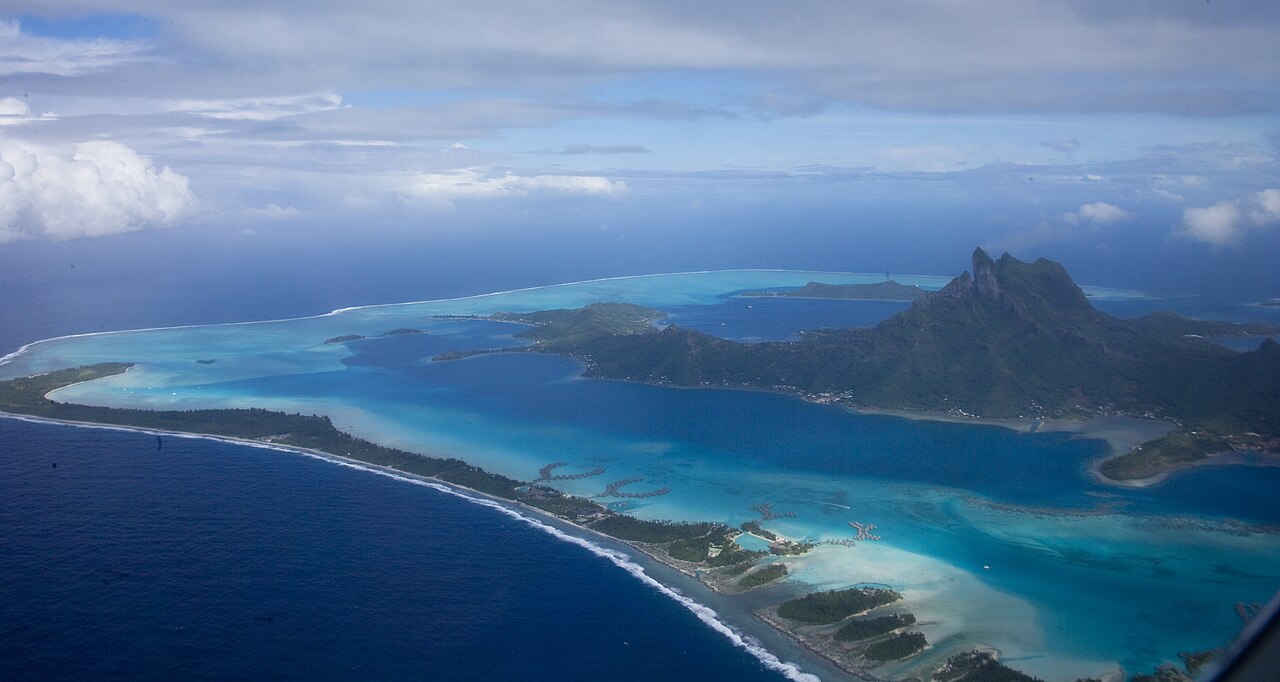
Bora Bora, French Polynesia
Bora Bora: Life on the Lagoon
A volcanic peak ringed by a turquoise lagoon makes Bora Bora the classic setting for overwater stays.
Coastal Hideaways · 8 min read
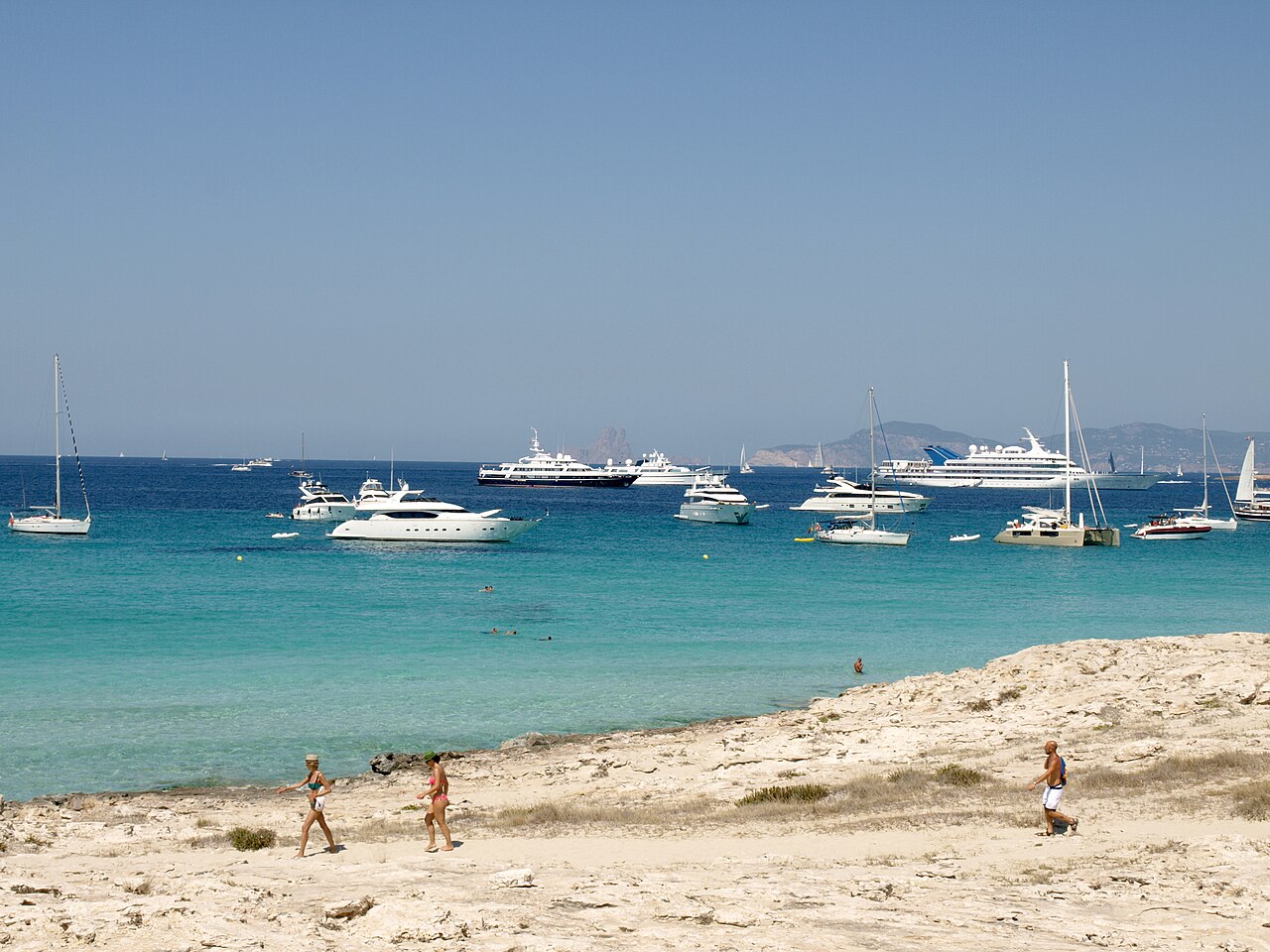
Balearic Islands, Spain
Formentera: Slow Days at the Edge of the Balearics
Find sea-view stays, quiet coastal rides and unhurried days on Formentera, beyond the busiest beaches.
Coastal Hideaways · 9 min read
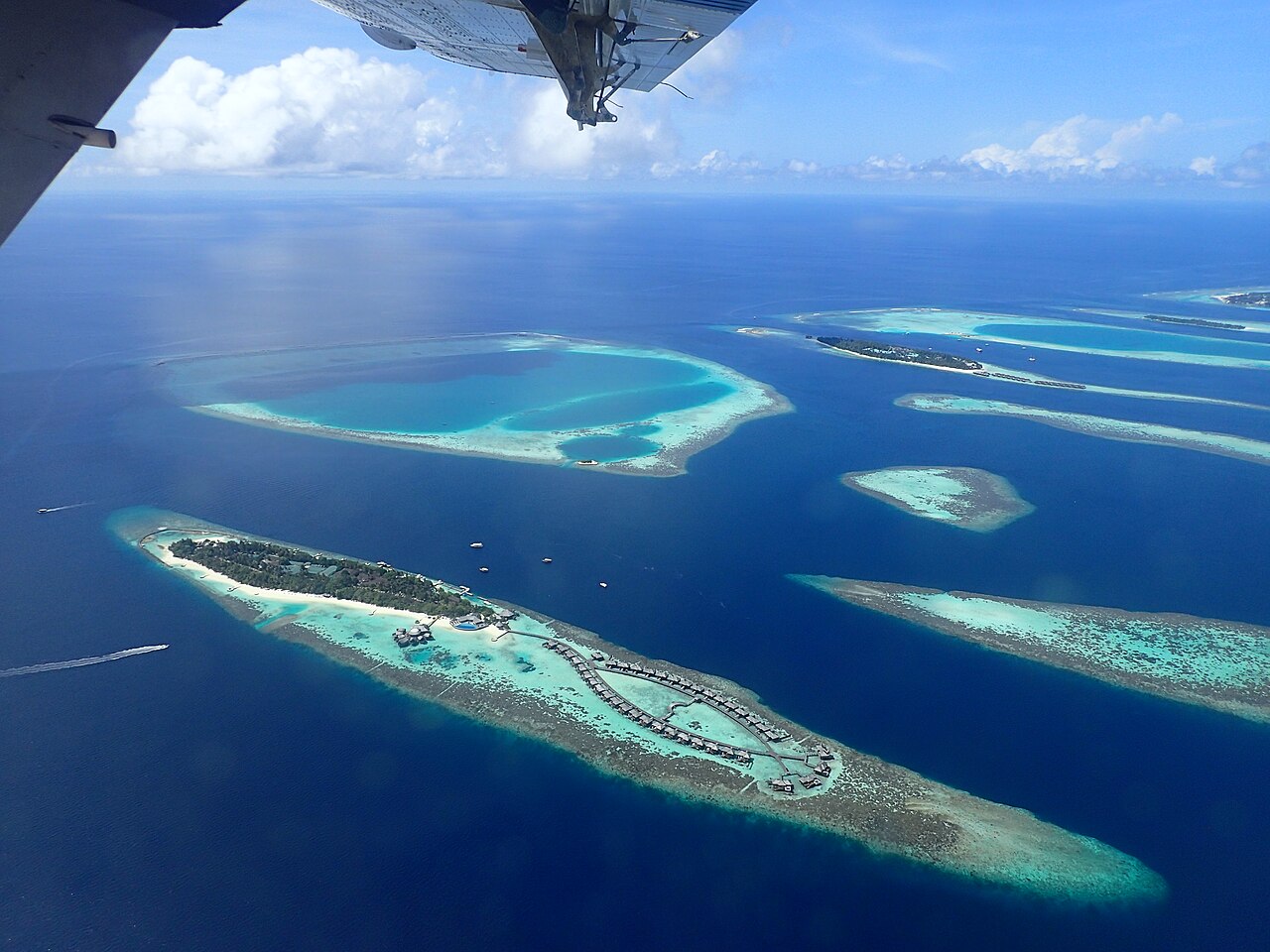
Maldives, Indian Ocean
The Maldives: Learning to Read the Atolls
A nation of coral rings scattered across the Indian Ocean, where choosing an atoll matters as much as choosing an island.
Tropical Islands · 8 min read