Formentera: Slow Days at the Edge of the Balearics
Find sea-view stays, quiet coastal rides and unhurried days on Formentera, beyond the busiest beaches.
Balearic Islands, Spain · 9 min read · IGANAVI Editorial Team
Published May 20, 2026 · Updated November 16, 2026
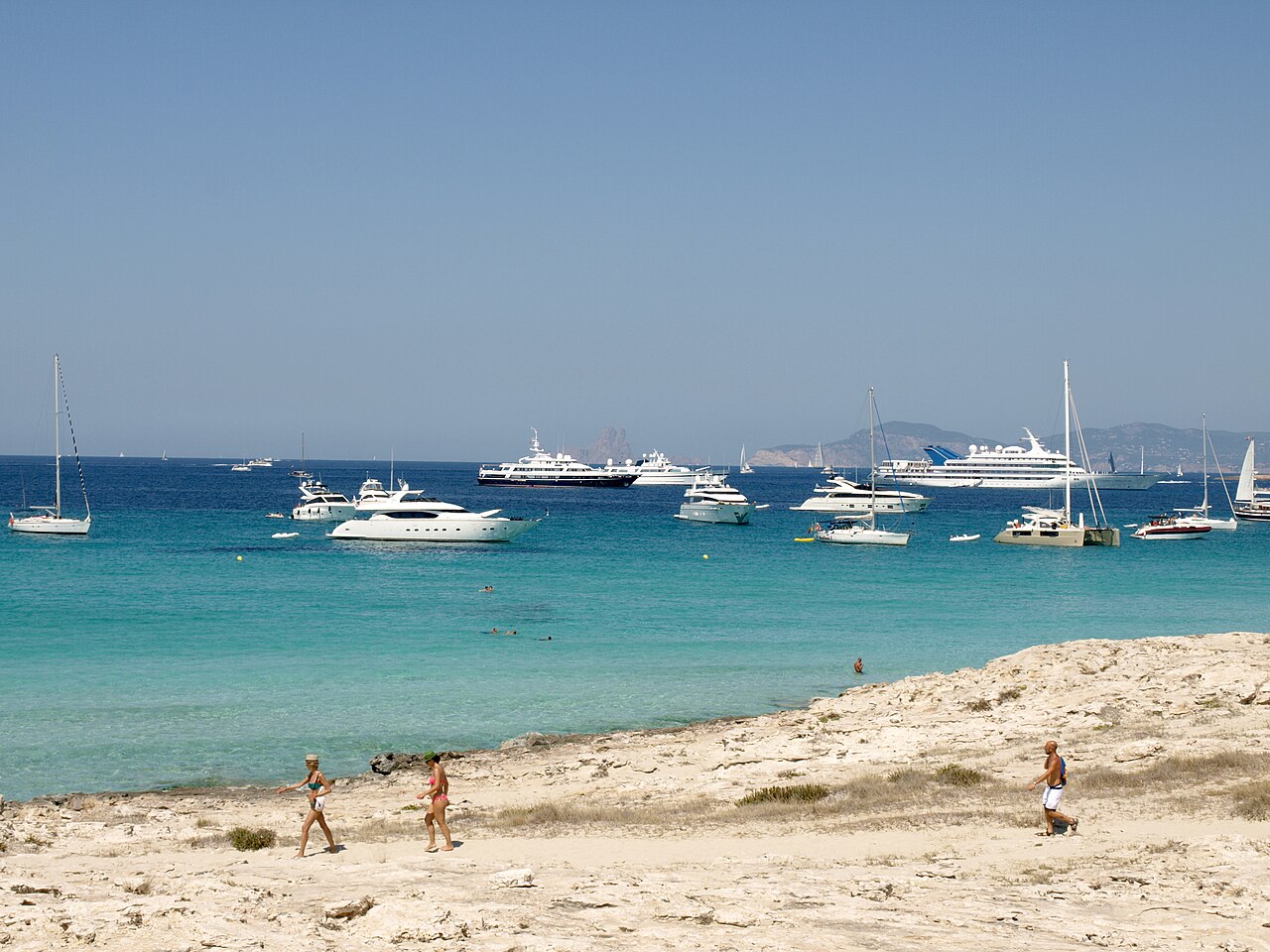
Formentera comes into focus slowly from the ferry: a low shoreline, pale sand, then water so clear that the darker seabed looks almost painted beneath it. South of Ibiza, this small island belongs to Spain's Balearic archipelago, but its pleasures need little organising. A shaded terrace, a swim before breakfast and a bicycle leaning against a wall can be quite enough.
Peace here is not guaranteed by the postcode. In high summer, famous beaches fill, scooters gather outside restaurants and sunset attracts a crowd. The quieter Formentera is a matter of choosing your stretch of coast carefully, leaving room in the day and resisting the urge to see everything before lunch.
Finding a stay with the sea in view
Start with what you want to hear through an open window. Along parts of Migjorn, it might be wind in the pines and waves beyond the dunes. In Es Pujols, it could include the evening promenade. At Cala Saona, the view is more enclosed, with a sandy bay framed by rocky shores.
A sea view and direct beach access are different things. Before choosing a room, ask whether the view is full or partial, whether it is visible from the terrace rather than only from a window, and how you reach the water. A property above a rocky shore may have a beautiful outlook without an easy place to swim.
Migjorn for room to breathe
The southern Migjorn coast is a long, varied shoreline rather than one uninterrupted ribbon of sand. Sandy stretches alternate with rock, and access lanes lead to different pockets of accommodation and beach life. Choose a base near the stretch you actually want to use, not simply somewhere described as being on Migjorn.
Small coastal properties and apartments set behind the shore suit travellers who want to settle in. Check the walking route to dinner, especially if you hope to avoid driving after dark. Some lanes are unlit, and a short distance on a map can feel longer with groceries in the heat. There is a lovely stillnes to the quieter mornings here.
Cala Saona for a sheltered-looking bay
On the western side, Cala Saona offers a compact beach between low cliffs, with a sunset-facing outlook. It is an appealing choice if your idea of a holiday is returning to the same patch of water each day. Sea-facing rooms are worth investigating, but ask about orientation and nearby communal areas if silence matters.
The bay is well known, not a secret refuge. Day visitors and boats can make it busy, particularly around the middle of the day. Stay for the early light and the hours after the beach begins to empty, while remembering that a sheltered appearance does not guarantee safe swimming in every wind.
Es Pujols for an easier car-free stay
Es Pujols is the most convenient choice for travellers who want restaurants, shops and a beach within walking distance. Its waterfront has a sociable rhythm, with small boats and rocky islets breaking up the view. You can have a slow holiday here without being isolated.
For a quieter room, look beyond the busiest restaurant frontage and ask directly about evening noise. A sea-facing balcony does not automatically mean a peaceful night. The compromise can be worthwhile: dinner is nearby, supplies are simple and there is less pressure to arrange transport for every outing.
Ses Illetes and the protected north
Ses Illetes occupies the narrow northern peninsula, where pale sand and shallow turquoise water create Formentera's most familiar scene. It lies within Ses Salines Natural Park, a protected landscape shared with Ibiza that includes marine habitats, salt ponds and important places for birds.
Go early if you want a gentler encounter, and accept that even an early arrival in peak season may not mean solitude. Follow the marked access routes and leave the dunes alone. Their plants help hold this fragile edge of the island together; a shortcut across them is not harmless.
The peninsula's two shores can feel very different in the same weather. Choose swimming conditions by the wind, waves and local flags, not by which side photographs best. Do not attempt to cross to the offshore island of Espalmador on foot or by swimming: currents and changing conditions make the apparent gap deceptive.
The living meadow beneath the blue
Formentera's water is not simply a pretty backdrop. Posidonia oceanica, a Mediterranean seagrass rather than seaweed, forms underwater meadows that support marine life, stabilise sediment and help protect the coast. Protected meadows between Ibiza and Formentera form part of the UNESCO World Heritage property called Ibiza, Biodiversity and Culture.
The brown leaves sometimes gathered along the beach belong to this living coastal system. They are not necessarily a sign of dirty water, and their presence can help shelter sand from erosion. A beach does not need to be stripped bare to be beautiful.
If you take a boat trip, choose an operator who explains responsible anchoring and complies with current restrictions. Anchoring on posidonia is prohibited. In the water, look without pulling plants or disturbing the seabed, and keep fins away from the meadow in shallow areas.
La Mola and the island's two lighthouse journeys
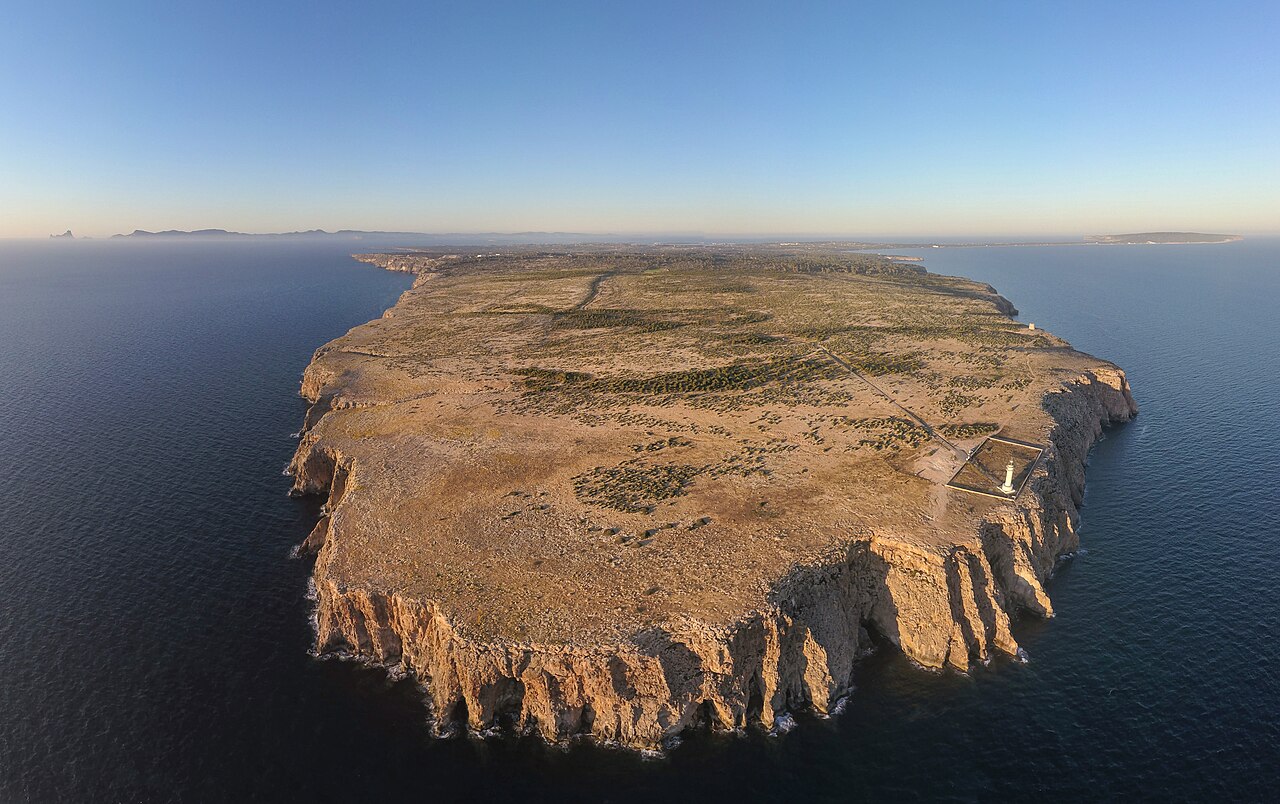
Formentera is often described as flat, but the eastern rise to La Mola changes that impression. The plateau has a more elevated, rural feel, with fields, stone walls and roads leading towards the cliffs. El Pilar de la Mola makes a useful pause before continuing to the lighthouse.
La Mola lighthouse
The lighthouse at La Mola stands above a dramatic cliff coast, a very different setting from the shallow northern beaches. Come for the breadth of the horizon and the feeling of reaching the island's far edge. Check current opening arrangements if you want to visit interior exhibition spaces rather than just the surroundings.
Stay well back from cliff edges and supervise children closely. The landscape is exposed, with little protection from sun or wind. Carry water even if you are arriving by vehicle, and do not assume refreshments will be available whenever you visit.
Cap de Barbaria lighthouse
Cap de Barbaria lies towards the southwest, reached through a spare landscape where low vegetation leaves the sky unusually large. Its lighthouse is a favourite sunset destination, so the quietest experience may be at another time of day.
Vehicle access near the cape can be restricted. Check the current arrangements with the Consell de Formentera and be prepared to finish on foot from the designated parking area. Bring a light if returning after sunset, use established paths and avoid approaching cliff edges for a photograph.
Getting there and moving slowly
Formentera has no airport. For most visitors, arrival means a ferry from Ibiza Town to La Savina, Formentera's port. If flying into Ibiza, allow time for the transfer from the airport to the ferry terminal, embarkation and possible delays. The airport and the harbour are not the same place.
Ibiza Town is the usual year-round ferry gateway, although other sea connections may operate seasonally. Check the operator's actual departure port before buying a ticket. Timetables, crossing times and luggage arrangements vary, and a tight connection with the final ferry is a poor beginning to a restful holiday.
Summer vehicle limits
Formentera regulates motor vehicle access and circulation in summer through its formentera.eco scheme. The published 2026 regulation period is 1 June to 30 September, inclusive. Check the official scheme and the Consell de Formentera before taking a vehicle, since quotas, fees, exemptions and eligibility depend on the vehicle and circumstances.
A ferry vehicle reservation is not a substitute for any required island authorisation. If you are hiring on Ibiza, confirm that the rental company permits travel to Formentera as well. Arriving as a foot passenger and arranging appropriate local transport can be simpler.
Cycling the circuits verdes
The circuits verdes, or green routes, reveal the spaces between beaches: lanes beside fields, pine woodland, stone walls and glimpses of sea. The network includes routes suitable for walking and many suitable for cycling, but they are not all smooth, segregated cycle paths. Consult the official route descriptions for surfaces and difficulty.
Plan modest distances in summer. Heat, wind and sandy or rough sections can turn an easy-looking outing into work, and the climb to La Mola deserves respect. An electric bicycle may help, but it does not remove the need for care. Take water, wear sun protection and leave enough battery for the return. A few extra stops makes the ride better anyway.
Practical tips for a quieter Formentera stay
- Consider late spring or early autumn for a calmer atmosphere, while checking which accommodation, restaurants and transport services are operating.
- Ask your accommodation about the exact beach access, evening noise and terrace orientation before choosing a sea-view room.
- Use current bus timetables when planning a car-free stay. Services and frequencies can change with the season.
- Check wind and beach flags daily. A familiar swimming spot can be unsuitable the next morning.
- At Ses Illetes, check current park access and parking arrangements. Arriving by bicycle does not excuse leaving marked routes or blocking paths.
- Carry drinking water on rural rides and lighthouse walks, and refill where safe drinking water is available rather than assuming every tap is suitable.
- Keep beach litter secure in the wind, leave shells and plants where they belong, and respect signed dune protection areas.
Formentera questions, answered
Can I fly directly to Formentera?
No. There is no airport. The usual journey is a flight to Ibiza followed by a transfer to Ibiza Town's port and a ferry to La Savina. Check connections carefully, especially outside the busiest months.
Where should I stay for peace without a car?
Es Pujols offers the easiest combination of beach, food and everyday services on foot, although you should check room location for noise. A quieter Migjorn base can work if meals and suitable transport are close by, but remoteness requires more planning.
Is Ses Illetes the best beach for every day?
Not necessarily. It is beautiful but popular, and conditions depend on the weather. Staying near Migjorn or Cala Saona lets you enjoy a local beach without repeatedly crossing the island. Let safe swimming conditions guide the day's choice.
Do I need permission to bring a car in summer?
Many visiting vehicles need advance authorisation during the regulated period. Consult formentera.eco and the Consell de Formentera for the current requirements before committing to vehicle transport. Do not assume that an electric vehicle or a hire car is automatically exempt.
Related guides
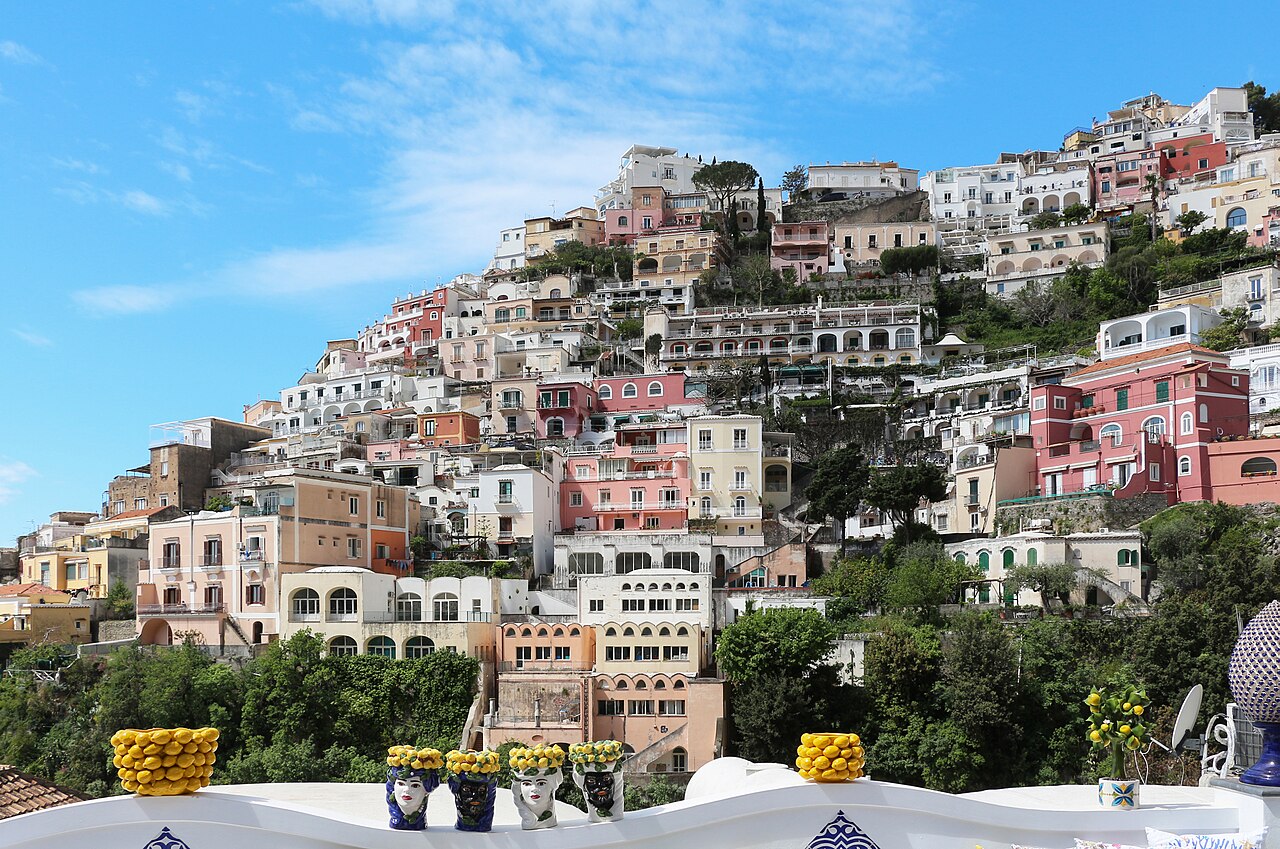
Amalfi Coast, Italy
Cliffside Stays on the Amalfi Coast
Terraced villas, lemon gardens and sea-view balconies define the Amalfi Coast's most beautiful places to stay.
Coastal Hideaways · 8 min read
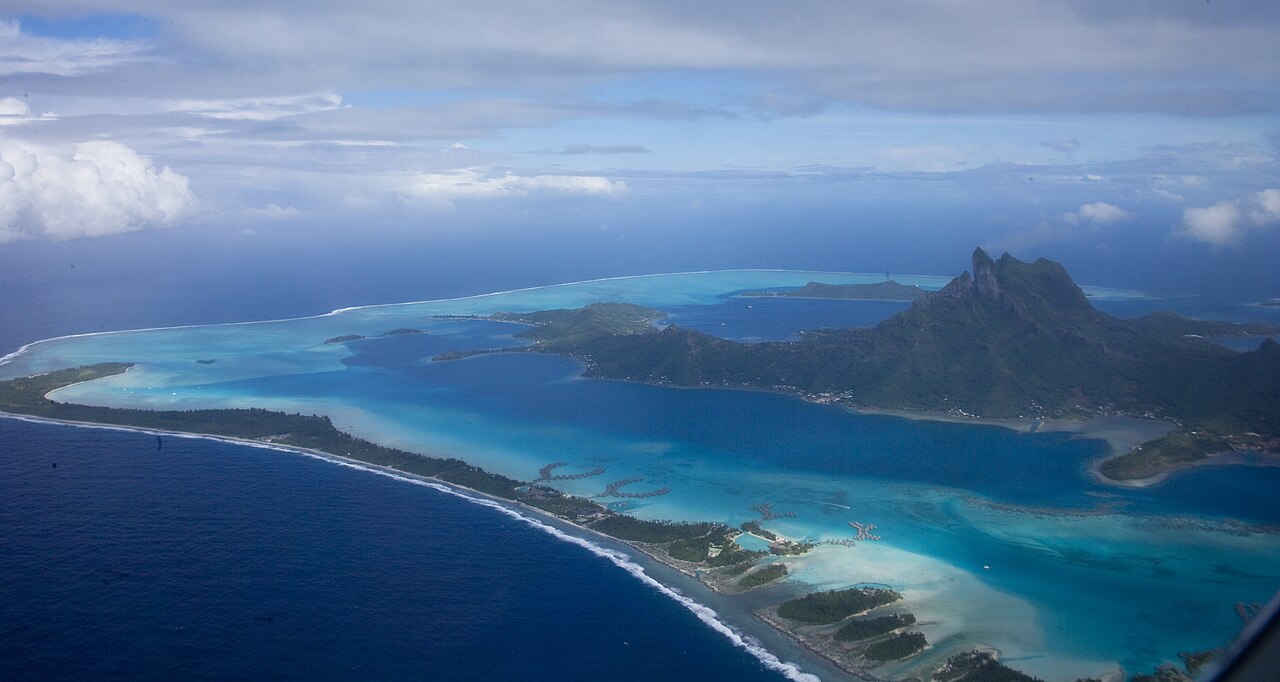
Bora Bora, French Polynesia
Bora Bora: Life on the Lagoon
A volcanic peak ringed by a turquoise lagoon makes Bora Bora the classic setting for overwater stays.
Coastal Hideaways · 8 min read
Maldives, Indian Ocean
The Maldives: Learning to Read the Atolls
A nation of coral rings scattered across the Indian Ocean, where choosing an atoll matters as much as choosing an island.
Tropical Islands · 8 min read