Santorini's Villages Beyond Oia
Hilltop Pyrgos, cliffside Imerovigli and the wine villages of the south reveal a quieter side of Santorini.
Santorini, Greece · 9 min read · IGANAVI Editorial Team
Published February 26, 2026 · Updated November 16, 2026
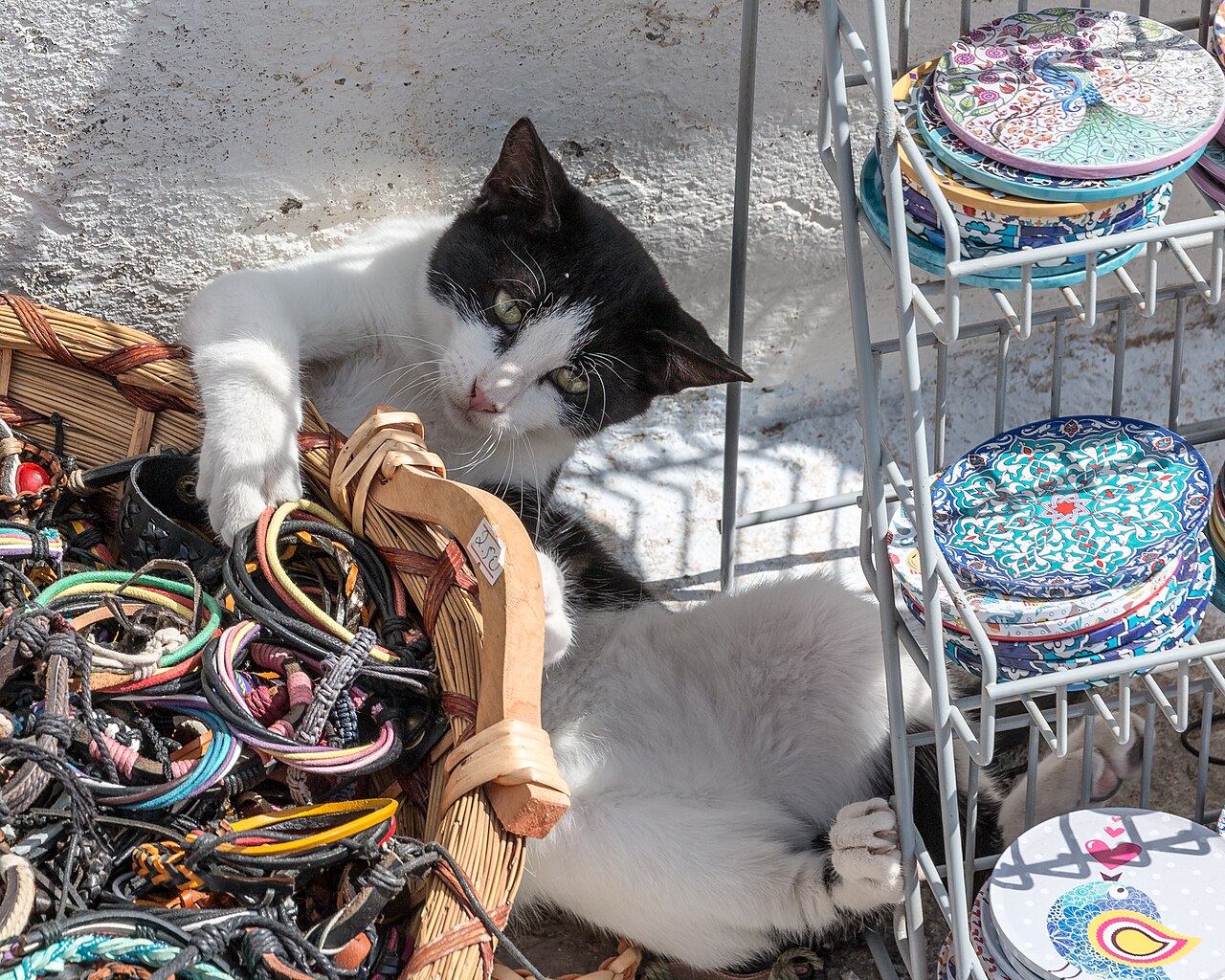
At a junction in Pyrgos, the lane divides around a white wall and both options appear to lead uphill. Somewhere above, a bell rings. Below, vineyards spread across the slopes in low, untidy patterns. There is no single photograph to collect here, just a village to work out on foot.
Oia deserves its reputation, but it need not organise your whole visit to Santorini. Inland settlements, the southern archaeological landscape and the quieter stretches of the caldera rim reveal different relationships with the same volcanic island. Give them proper time rather than treating them as stops on the way to sunset.
Start with the shape of the island
Santorini's dramatic western cliffs overlook a flooded volcanic caldera. Their present form reflects a long history of eruptions and collapse, not one simple event. Inland, slopes carry vineyards and settlements; farther east, the land descends towards dark volcanic beaches. A village without a caldera view is not necessarily missing the point.
This geography also shapes journeys. Roads connect places that look close together on a map by surprisingly indirect routes, while narrow lanes in older villages are often best explored without a vehicle. Pick two or three neighbouring areas for a day instead of repeatedly crossing the island.
Pyrgos: follow the lanes uphill
Pyrgos occupies a hill inland, with an old fortified settlement clustered around its upper reaches. Arriving by road gives little sense of the passages above. Leave the car in an appropriate parking area, or step off the bus, and continue on foot through the lower square.
The climb is part of the visit. Steps turn beside houses, doorways open directly onto lanes, and occasional gaps reveal the sea beyond the vineyards. The remains of the kasteli, the fortified core associated with the island's Venetian period, give the upper village its shape. Do not expect every passage to be a through route.
Go early for cooler walking or return towards evening when the glare softens. Pyrgos is popular, too, and should not be sold as an undiscovered refuge. Its pleasures are smaller than that claim: a quiet turn away from the main route, the texture of plaster, a view that includes the island's working landscape.
Leave the rooftops alone
White roofs and blue domes are not public viewing platforms. Many belong to homes, businesses or churches. Keep to public paths, respect barriers and avoid blocking doors while photographing. One narrow lane can feel crowded long before the village square does.
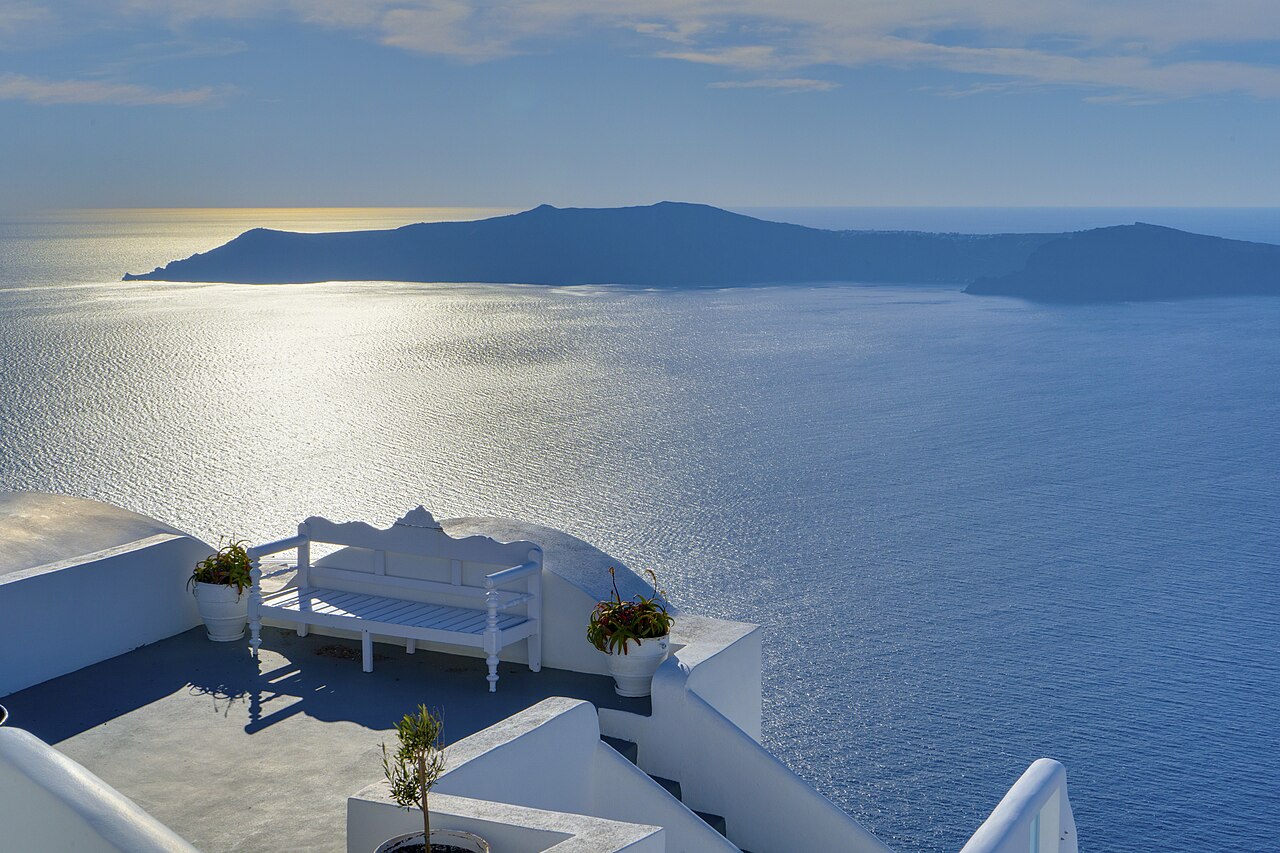
Megalochori: a village on a different scale
Megalochori sits among vineyards in the south of the island. Bell towers, old houses and passages around the central square make it rewarding for an unhurried wander. Unlike a caldera-edge promenade, its streets turn your attention inward, towards courtyards, shade and the details of village life.
Come for a walk followed by lunch rather than an ambitious checklist. Delivery vehicles and residents still need to move through these spaces. A table tucked just off the busiest route may be more appealing than one beside the most photographed archway, particularly when a tour group arrives.
Beyond the village, low vines lie close to the volcanic ground. Many are trained in basketlike forms that help protect grapes from wind and harsh conditions. Wine belongs to the agricultural story here, not just to the view from a tasting terrace.
Make a wine visit deliberate
Choose a winery for its explanation of local growing methods and grape varieties, including Assyrtiko, rather than assuming all tasting experiences are alike. Check opening hours and whether advance arrangements are needed. Some visits focus on production, others on a flight of wines with a view.
Use a driver, an organised excursion or another safe transport plan if you will be drinking. Distances can be deceptive, and country roads are not automatically comfortable walking routes. Dont turn the return journey into an afterthought.
Emporio: explore the fortified heart
Emporio offers another version of inland Santorini. The modern settlement spreads around a much older core, where tight passages and closely arranged buildings preserve the logic of a fortified village. Find the kasteli and let the walk become slower as the lanes narrow.
It is tempting to describe every confusing turn as a device against pirates. Defence mattered to these settlements, but the buildings also reflect everyday needs, later alterations and the practical use of limited space. Look at entrances, shared walls and changing levels rather than seeking one dramatic monument.
Some passages are residential and some end at private doors. Turn back without fuss when necessary. This is a good place to put the phone away for a few minutes, then use the map again when you are ready to find the way out.
Imerovigli and Firostefani: the caldera at walking pace
Imerovigli occupies a high stretch of the caldera rim north of Fira. The view towards Skaros Rock draws the eye away from buildings and across the water. There are busy terraces and accommodation clusters here, but also stretches where walking, rather than waiting for a viewpoint, sets the pace.
Firostefani lies between Imerovigli and Fira, close enough to the capital to make an evening stroll practical for many visitors. It offers the drama of the rim without requiring a trip to Oia each time you want to see the caldera. Neither village is reliably empty, especially around sunset.
The path towards Skaros involves uneven ground and exposed sections. Check current access and conditions before attempting it, particularly after poor weather or any official safety restrictions. A view from the main rim path is a perfectly worthwhile alternative.
Walking from Fira to Oia
The caldera trail links Fira, Firostefani and Imerovigli before continuing over more open terrain towards Oia. The complete route is roughly ten kilometres, depending on your starting point and detours. Allow several hours, with extra time for breaks and photographs.
This is not a continuously paved town promenade. Beyond the villages, expect uneven volcanic surfaces, climbs, limited shade and exposed stretches. Start early in warm weather, carry ample water and wear shoes with grip. Check the forecast for heat and strong winds as well as rain.
Plan the return before setting out. Bus demand can be heavy, and taxis are not something to assume will materialise wherever the walk ends. If the full route is unsuitable, the shorter section between Fira and Imerovigli still offers excellent caldera views, though it includes steps and slopes.
Akrotiri gives the landscape a human history
In the south, the archaeological site of Akrotiri preserves part of a Bronze Age settlement buried by volcanic material. Covered walkways allow visitors to look into an urban world of buildings and streets, a useful counterpoint to the idea of Santorini as scenery alone.
The excavated site is distinct from the modern village of Akrotiri and from the lighthouse farther west. Leave time to understand what you are seeing, perhaps with a qualified guide. Check the official archaeological service for current opening hours, tickets and any access restrictions rather than relying on an old itinerary.
Nearby coastal paths and cliff areas can present rockfall risks. A famous beach photograph is not evidence that an approach is currently safe or officially open. Follow local notices and closures even if other visitors ignore them.
Oia, crowds and the cruise levy
Visit Oia if you want to, but release it from the obligation to deliver a private sunset. Early morning often makes walking easier, although shops may not yet be open and you will still meet other visitors. At sunset, popular passages and viewpoints can become tightly packed.
Cruise arrivals influence crowding in Fira and Oia, sometimes in sharp waves rather than steadily throughout the day. Check expected ship calls as a planning aid, not a precise crowd forecast. Weather, tendering and excursion schedules can change the pattern.
Greece introduced a seasonal cruise passenger levy in 2025, including higher charges for Santorini and Mykonos. For a 2026 visit, cruise passengers should confirm the applicable seasonal rate and collection arrangements with their cruise line and official Greek information. It is not a general ticket that every visitor must buy to enter Oia, and paying it does not reserve access to viewpoints.
Practical tips for a village-focused stay
- Group Pyrgos and Megalochori together, or explore Emporio and the south, rather than packing every village into one day.
- Check current KTEL bus routes and timetables. Many journeys connect through Fira rather than directly between villages.
- Park outside old village cores and never block access lanes, even briefly for a photograph.
- Carry water, sun protection and shoes suitable for polished steps and loose volcanic ground.
- Keep a light layer for windy evenings; the exposed rim can feel quite different from a sheltered square.
- Check official transport, archaeological and civil protection notices close to departure, especially if restrictions have been announced.
Spring and autumn often suit walking better than midsummer, though neither guarantees quiet streets or settled weather. Winter has its own atmosphere, but services and visitor businesses may be reduced. A slower itinerary make these seasonal differences easier to enjoy.
Questions for planning beyond Oia
Which village should I choose for a first inland visit?
Pyrgos is a strong starting point for its uphill lanes and broad island views. Choose Megalochori if a gentler wander around a village square appeals more. Both have steps and uneven surfaces, so check individual access needs carefully.
Can I explore without hiring a car?
Yes. Buses, walking and occasional prearranged transfers can cover a rewarding stay. The trade-off is flexibility: check connections and the last return service, and avoid assuming that every pair of villages has a direct bus.
Is the full caldera hike necessary?
Not at all. Walk a shorter stretch around Firostefani and Imerovigli if heat, time or fitness makes the longer route unattractive. The object is to enjoy the landscape, not to complete a distance at any cost.
Where should I watch sunset instead of Oia?
A legal public spot along the caldera rim can be just as satisfying, subject to safe access and the season's sun angle. Better still, let one evening belong to a village square. Santorini continues to be interesting after the horizon has stopped being the main event.
Related guides
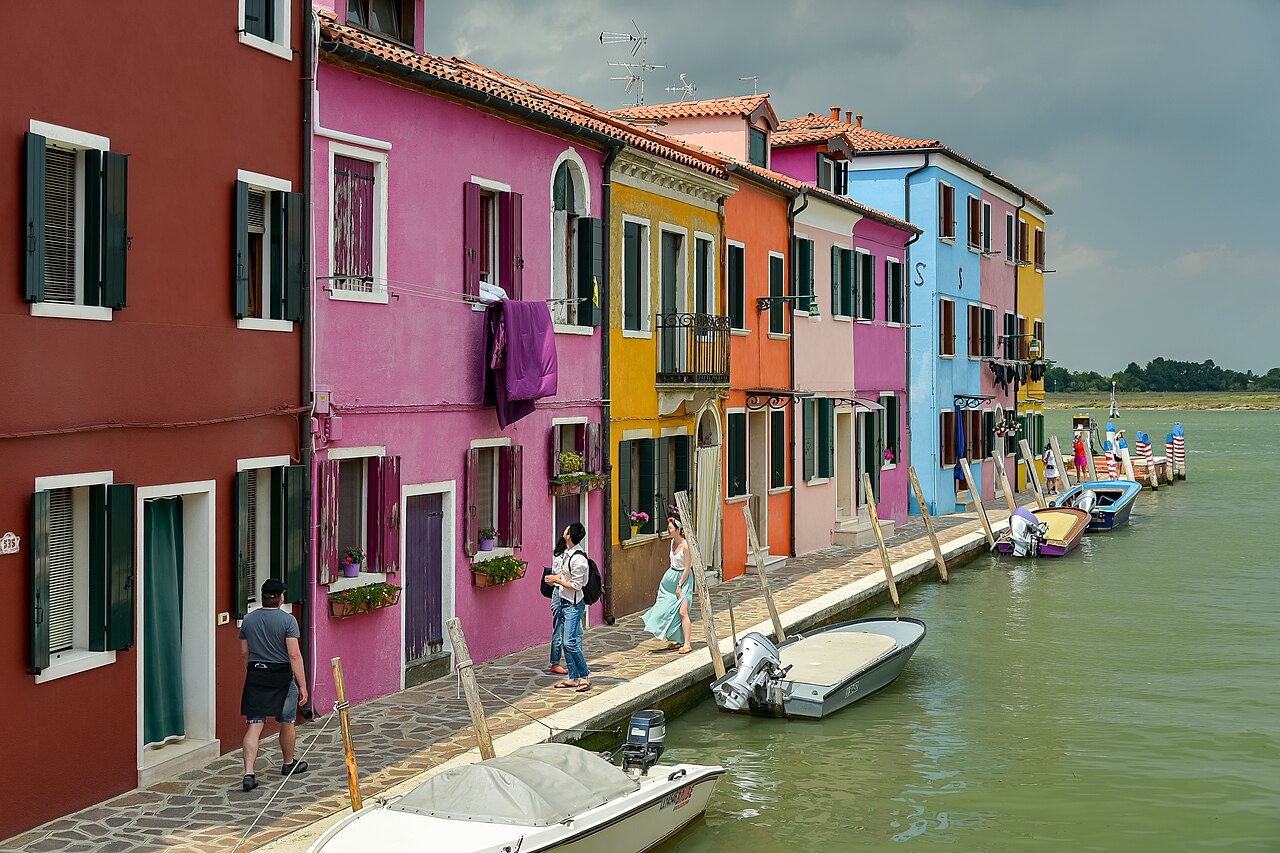
Venetian Lagoon, Italy
Burano: The Island of Colour in the Venetian Lagoon
Bright houses, quiet canals and a lace-making heritage make Burano one of the lagoon's most charming villages.
Island Villages · 8 min read
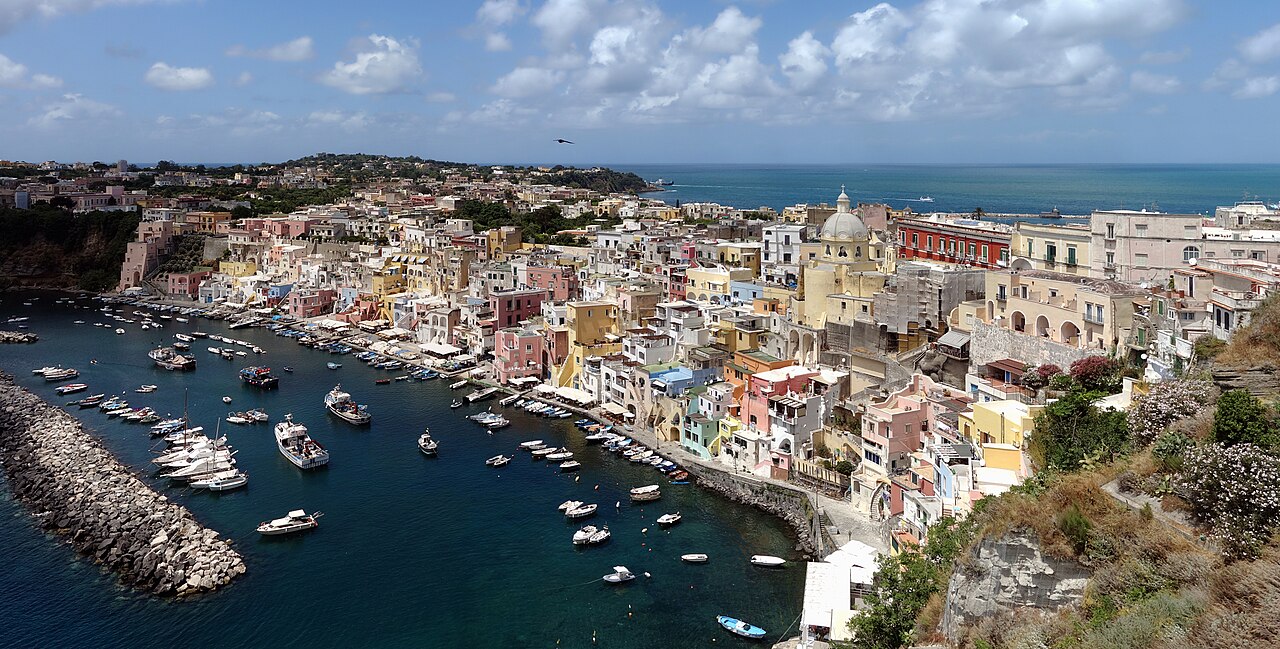
Bay of Naples, Italy
Procida: The Quiet Island in the Bay of Naples
Pastel harbours and lemon gardens make Procida a gentle alternative to its famous neighbours.
Island Villages · 8 min read

Maldives, Indian Ocean
The Maldives: Learning to Read the Atolls
A nation of coral rings scattered across the Indian Ocean, where choosing an atoll matters as much as choosing an island.
Tropical Islands · 8 min read