Procida: The Quiet Island in the Bay of Naples
Pastel harbours and lemon gardens make Procida a gentle alternative to its famous neighbours.
Bay of Naples, Italy · 8 min read · IGANAVI Editorial Team
Published April 22, 2026 · Updated November 16, 2026
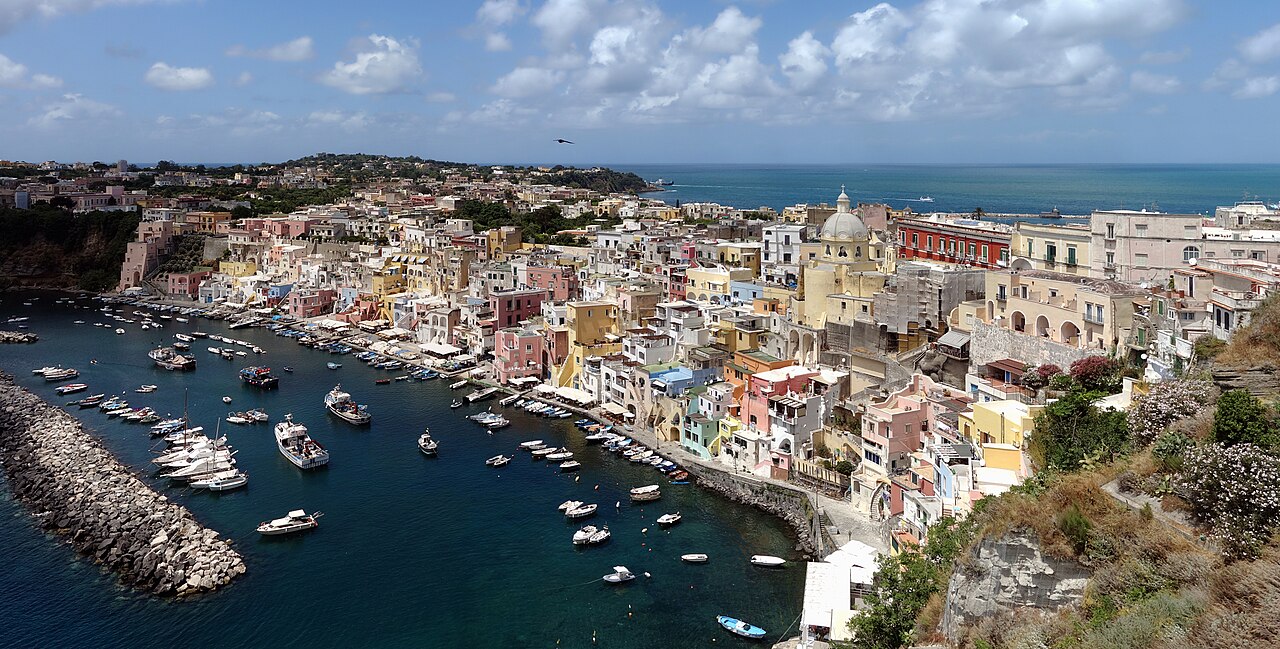
Procida looks gentle from the water: stacked houses, church domes, a fishing boat edging towards the quay. Step ashore and the picture gains a soundtrack. Scooters pass, someone calls across a lane, and deliveries thread through streets built long before the modern traffic arrived. This is not a deserted retreat. Its quieter character comes from being a small, inhabited island with routines that do not exist solely for visitors.
Across the Bay of Naples, Capri attracts the spectacle and Ischia offers a much larger landscape to explore. Procida rewards a different kind of attention. Walk between its harbours, stop for a pastry, climb to the old fortified settlement, then return to the water without trying to turn every hour into an excursion. An overnight stay helps, but even a thoughtful day trip can leave room for that slower pace.
Arriving from Naples or Pozzuoli
Ferries and hydrofoils connect Procida with Naples and Pozzuoli, with routes and departure points depending on the operator and season. In Naples, passenger hydrofoils generally use Molo Beverello, while conventional ferry departures commonly use the Porta di Massa area. Confirm the terminal on your actual sailing rather than treating the city's waterfront as a single departure point.
Pozzuoli can be a useful alternative if you are already staying west of Naples. Crossing times vary by vessel and route, and some services continue towards Ischia. Check that the sailing stops at Procida and allow a sensible margin after a train or flight. Weather can disrupt fast services, and the last boat home matters more than any sightseeing list.
First steps at Marina Grande
Most arrivals bring you to Marina Grande, also called Marina di Sancio Cattolico. Its waterfront is busy with port traffic, shops and places to eat. Before heading uphill, locate the return departure point and check the day's transport information. A quick coffee here is also a chance to watch the island functioning rather than immediately chasing its best-known view.
Pack lightly if staying overnight. Many addresses involve steps or narrow lanes, and a room that looks close to the harbour on a map may sit above it. Ask your accommodation about access before arriving with a large suitcase.
Marina Corricella, beyond the postcard
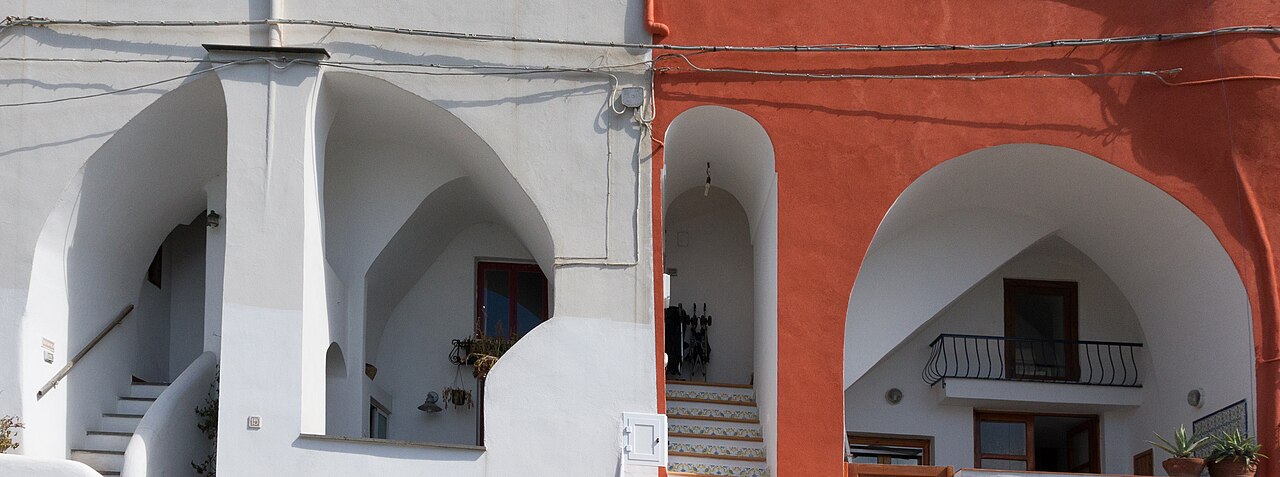
Marina Corricella is the harbour most people recognise: warm-coloured houses crowded together above an arc of fishing boats. Arches, terraces and outside stairways make the buildings seem to overlap. From the upper lanes you catch the scene in fragments before descending to the waterfront itself.
The harbour edge is pedestrian, but getting there usually involves steps. Allow time for the descent and the climb back, especially in hot weather. If mobility is limited, ask locally about the most suitable approach rather than assuming a waterfront restaurant can be reached directly by taxi.
Come early to see working activity around the boats, or later when the light softens on the houses. Midday can be busy, particularly when day visitors arrive together. Corricella is beautiful, but it is also a workplace and a residential neighbourhood. Keep clear of fishing equipment and resist treating every doorway as a photographic prop.
Lunch without a timetable
Fish and seafood feature prominently on menus, though availability and sourcing vary between restaurants. Ask what is available that day instead of expecting every dish to come from the boats immediately outside. A simple plate of pasta and a long look at the harbour can be enough; there is no need to make lunch another logistical project.
Leave a little room for something lemon-flavoured later. Procida's lemons appear in savoury dishes, salads and liqueurs as well as sweets. The island's lingua di bue pastry, often filled with lemon cream, makes a particularly good companion to an afternoon coffee.
Climbing to Terra Murata
Above Corricella, Terra Murata occupies the island's historic high ground. The climb changes the scale of the visit. Narrow streets give way to broad sea views, and the bright harbour below starts to look like a closely packed model. Take the uphill route steadily; shade is not continuous and the paving deserves attention.
The Abbey of San Michele Arcangelo is central to this older settlement. Palazzo d'Avalos, later used as a prison, adds a more complicated chapter to the island's history. Opening arrangements, guided visits and access to individual buildings can change, so check locally before planning your day around an interior visit.
Even without entering a monument, Terra Murata deserves time. Look across the roofs, notice the defensive position, and follow the lanes without blocking residents' entrances. The best pause may be an unremarkable corner with a breeze rather than the busiest viewpoint. There is a small pleasure in leaving the camera put away for a few minutes.
Chiaiolella, beaches and the far end of the island
Marina di Chiaiolella, towards Procida's southwestern end, has a different rhythm from Corricella. Boats sit in a sheltered harbour, and nearby beach stretches offer space to settle rather than simply look. This is a useful part of the island for visitors who want swimming woven into the day.
Procida's beaches generally have darker volcanic sand rather than the pale limestone look associated with many Mediterranean islands. Conditions vary with wind and exposure, so choose the day's swimming spot accordingly. Chiaia lies below a steep backdrop and involves stair access, while the beach areas around Chiaiolella and Ciraccio offer another setting. Check local conditions before entering the water, especially when waves build.
Do not assume every stretch has the same facilities or access arrangements. Some sections have managed beach services, others are more basic. Bring drinking water, sun protection and a bag for your rubbish. Sand can become hot enough that a short barefoot walk is less appealing than it sounded at breakfast.
Vivara needs advance thought
The small islet of Vivara is linked to Procida by a bridge, but that does not make it an unrestricted extension of the public road. It is a protected nature reserve, and visits depend on authorised access arrangements. Check official reserve information for current openings, reservations and any guided-visit requirements.
If access is unavailable, enjoy the views without trying to get around the closure. Vivara's value lies partly in its protection, not simply in being another place to tick off. The shoreline around Chiaiolella still gives you plenty to explore at an easy pace.
An island with its own cultural life
Procida was Italian Capital of Culture in 2022, a distinction that brought attention to a place often overshadowed by its neighbours. The title did not invent its cultural identity. Seafaring traditions, religious observances, literature and cinema already formed part of the island's story.
Visitors may recognise locations associated with Il Postino, but a film-location hunt is only one way to look around. Notice the everyday details too: a vegetable plot behind a wall, boats being maintained, the changing light on a familiar facade. These are not staged attractions, and their appeal depends on giving island life some space.
Evenings can feel markedly different once many day visitors leave. Not every street becomes silent, especially during summer weekends, but there is less pressure to keep moving. Stay for dinner near your accommodation and walk back slowly. You notice alot more when you no longer have a boat to catch.
Practical tips for a comfortable visit
Walking is rewarding, but Procida's small size can be misleading. Narrow roads carry scooters, buses and other vehicles, and pavements are not continuous. Local buses connect important parts of the island; taxis and small local vehicles can help with luggage or an uphill return. Cycling suits confident riders who are comfortable sharing tight roads, not everyone seeking a leisurely seaside ride.
Seasonal limits apply to visitor cars and other vehicles, with details set by the relevant authorities. Check current official restrictions and exemptions before considering taking a vehicle across. For most short visits, arriving without one is the simpler choice.
- Save the correct return timetable and check for service updates on the day.
- Choose shoes with grip for stairways and uneven paving.
- Ask about steps before reserving accommodation if access matters to you.
- Carry water on the climb to Terra Murata and between beach stops.
- Check Vivara's official visitor arrangements before planning around it.
- Leave extra time at the port rather than relying on a tight last-minute connection.
Late spring and early autumn often suit walking, although sea temperature and weather vary. High summer brings stronger heat and more visitors, while winter offers fewer services and a more local atmosphere. A breezy forecast deserve a second look before you build a day around swimming or a fast crossing.
Short FAQ
Is Procida worth visiting for only one day?
Yes. Focus on Marina Grande, Terra Murata and Corricella, then add a beach only if the timetable leaves comfortable space. Trying to cover every corner can turn a compact island into a rushed outing.
Is Procida really quiet?
Quiet is relative. Residential lanes and evenings can feel relaxed, but the ports, main roads and popular waterfronts get busy. Avoid peak summer weekends if escaping crowds is the main aim.
Do I need a car on Procida?
Usually not. Walking, local buses and taxis cover most visitor needs, and seasonal restrictions can affect bringing a vehicle. Check current rules if you have a specific accessibility or transport requirement.
Should I stay overnight?
An overnight stay gives you the harbour before or after the busiest visiting hours and removes the pressure of a same-day return. Choose accommodation for its location and access, not just its view, and the island becomes easier to enjoy on its own terms.
Related guides
Santorini, Greece
Santorini's Villages Beyond Oia
Hilltop Pyrgos, cliffside Imerovigli and the wine villages of the south reveal a quieter side of Santorini.
Island Villages · 9 min read
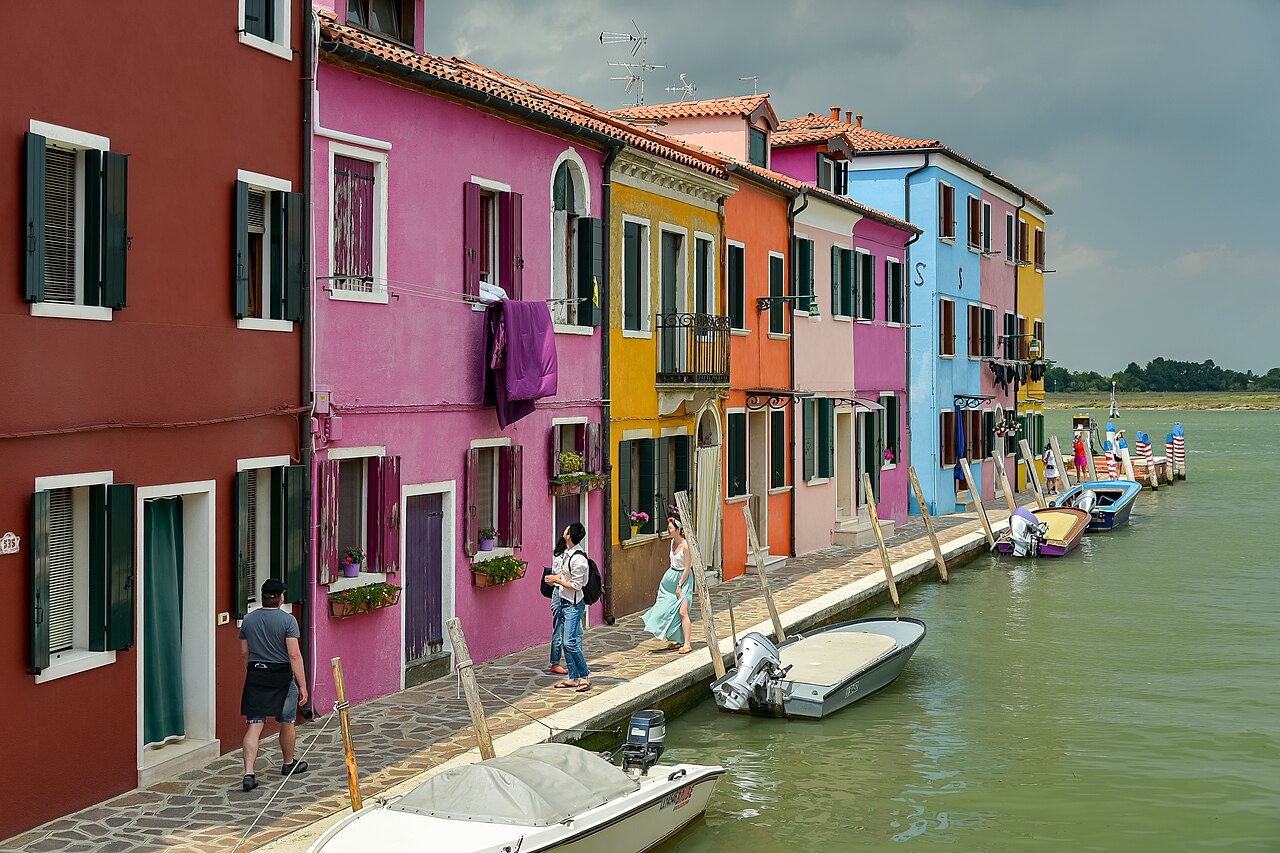
Venetian Lagoon, Italy
Burano: The Island of Colour in the Venetian Lagoon
Bright houses, quiet canals and a lace-making heritage make Burano one of the lagoon's most charming villages.
Island Villages · 8 min read
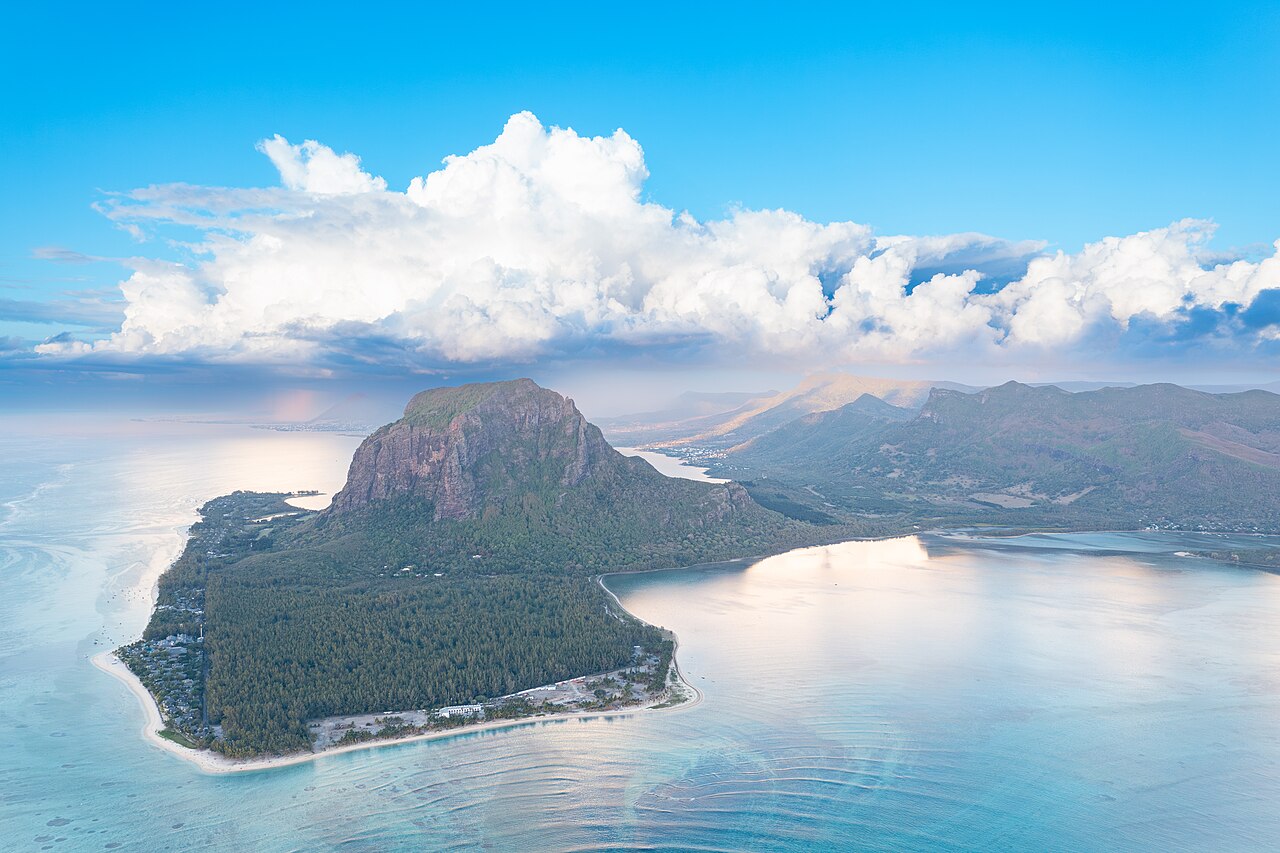
Mauritius, Indian Ocean
Mauritius Beyond the Beach
Mountains, waterfalls and a layered culture give Mauritius far more depth than its lagoons suggest.
Tropical Islands · 7 min read