Mauritius Beyond the Beach
Mountains, waterfalls and a layered culture give Mauritius far more depth than its lagoons suggest.
Mauritius, Indian Ocean · 7 min read · IGANAVI Editorial Team
Published May 14, 2026 · Updated November 16, 2026
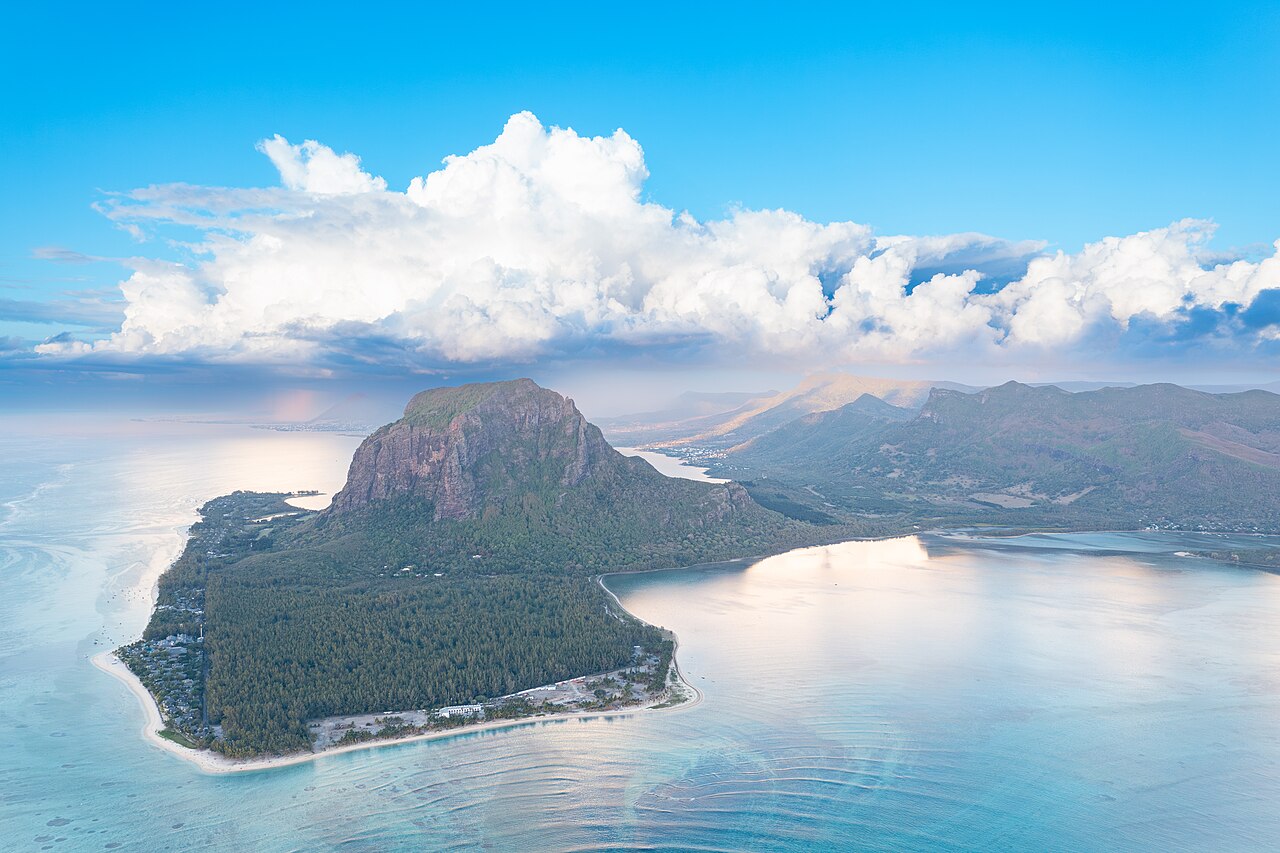
A beach can make a convincing argument for staying still in Mauritius. Yet beyond the lagoon are steep green ridges, forest paths that disappear into cloud, and market counters where lunch arrives folded in paper. Give the interior some proper time. It changes the island from a lovely view into somewhere with a complicated history and an appetite of its own.
This is not a destination where every outing needs to become an expedition. A morning in Port Louis or a slow drive through the southwest can sit comfortably beside afternoons by the water. The trick is to resist cramming the whole island into a single sightseeing loop.
The mountain with a human history
Le Morne Brabant rises above the southwest coast, its dark rock standing sharply against the shallow lagoon. The UNESCO inscription is for Le Morne Cultural Landscape, not simply a scenic mountain. Its significance lies in its association with resistance to slavery and its history as a refuge for people escaping enslavement.
That story deserves more than a photograph from the road. Learn about the landscape's meaning before treating it as a hiking objective, and seek out interpretation that explains its place in Mauritian memory. What looks like an isolated peak from a hotel terrace carries a much larger history.
Walking at Le Morne
Routes and permitted access need checking locally. Higher sections can involve exposed, steep ground and scrambling, so do not assume that a popular walk is an easy one. A qualified local guide is a sensible choice, especially for visitors without experience on this terrain. Turn back if conditions or confidence deteriorate.
Start early, carry more drinking water than you expect to need, and wear shoes with reliable grip. Heat builds quickly away from the breeze. Even on a clear morning, clouds can gather around the slopes, changing both the view and the footing.
Chamarel, without the rush
The roads towards Chamarel climb through a greener, more folded landscape than the coast suggests. Allow time for bends and weather rather than measuring the outing by distance alone. This is a good district for an unhurried day, with a village lunch between visits instead of a series of hurried stops.
Chamarel Waterfall drops into a wooded gorge, best appreciated from designated viewpoints. Rainfall affects its appearance, and paths can be slippery after showers. Stay behind barriers: the strongest photograph is not worth stepping onto an uncertain edge.
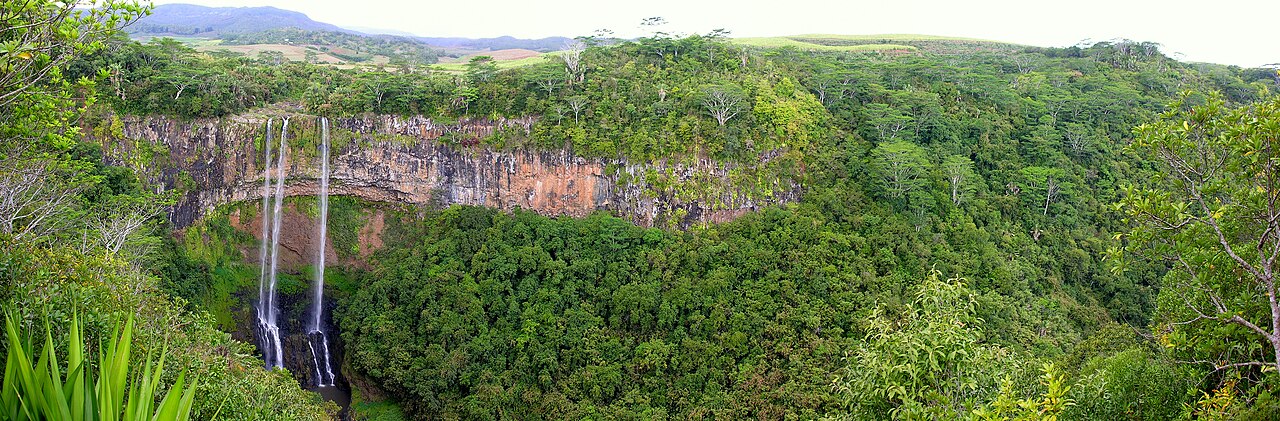
Nearby, the Seven Coloured Earth is a small geological attraction whose exposed, weathered earth forms bands of contrasting colour. Light and moisture change the effect, so arrive expecting subtle variations rather than the exaggerated saturation sometimes seen online. Keep to the paths and do not collect soil.
Leave room between stops
Chamarel is more satisfying when it is not paired with every landmark in the southwest. Choose the waterfall and coloured earth, or add a short forest walk if weather permits. A little spare time makes room for a roadside fruit stall or an unexpectedly long lunch. There is definately no shortage of reasons to linger.
Into Black River Gorges National Park
Black River Gorges National Park protects an important area of native forest in the island's southwest. Its valleys and ridges offer a different Mauritius: damp leaves, layered greens and occasional openings towards the distant coast. Some visitors are content with viewpoints; others come for substantial walks.
Choose a route according to current trail conditions, daylight and fitness, not merely the shortest distance on a map. Forest tracks can be muddy and junctions less obvious than expected. Download a map before leaving reliable reception, tell someone your plan and ask locally about closures or damage after heavy rain.
The park also matters for endemic wildlife. Birds such as the pink pigeon and Mauritius kestrel are associated with long-running conservation efforts, but seeing them is never guaranteed. A knowledgeable birding guide can help distinguish a fleeting native bird from the introduced species you may see more readily.
A quieter way to look
Stand still for a few minutes rather than walking continuously. Listen for calls, watch the canopy and let your eyes adjust to movement among the leaves. Binoculars earn their space in a day bag here. Keep noise low, take rubbish out and resist feeding any animal, however accustomed to visitors it appears.
Port Louis through its food and streets
The capital brings traffic, commerce and a very different rhythm. Go early if possible, before heat makes the busiest streets tiring. The central market is a working place rather than a stage set, with produce, spices and everyday shopping alongside stalls aimed at visitors. Ask before photographing people or their goods at close range.
Dholl puri is a natural starting point for lunch: a thin flatbread made with split peas, served with accompaniments such as curry, chutney and pickles. Farata, gateaux piments and noodle dishes offer other routes into an island cuisine shaped by several communities. Ask what is fresh and how spicy a filling is rather than expecting every stall to prepare it identically.
Mauritian life reflects connections with Africa, India, China and Europe, but reducing those histories to a colourful blend misses their depth. The UNESCO-listed Aapravasi Ghat in Port Louis offers an important introduction to indentured labour and migration. Check current opening arrangements and allow time to read, not just look.
Sacred places and everyday courtesy
Temples, mosques, churches and shrines are part of the living island. At Grand Bassin, also known as Ganga Talao, the sacred lake and Hindu temples deserve the same consideration you would give a place of worship at home. Dress modestly, follow instructions about shoes and photography, and avoid interrupting ceremonies.
Festival periods can bring processions, changed traffic arrangements and crowds. They are not simply convenient spectacles for a holiday itinerary. Ask whether visitors are welcome in a particular space, and give worshippers priority. A little patience go a long way when a road is busy with people rather than cars.
Let the coast suit the day
There is no need to abandon the beach to explore beyond it. Instead, understand that the shores vary. Grand Baie and the north have a concentration of services and activity. Eastern beaches can feel breezier, while the west is a natural place to linger towards sunset. Conditions still depend on the particular beach and weather.
Parts of the south are exposed to ocean swell, with cliffs and breaks in the protective reef. Dramatic water is not necessarily swimming water. Use beaches recommended locally for the day's conditions, obey warning signs and never assume that a lagoon is safe everywhere because it looks shallow.
Avoid walking on coral, touching marine life or pursuing dolphins. Choose wildlife operators that explain responsible viewing clearly, including how they avoid crowding animals. A promise of guaranteed close contact is a reason to ask harder questions, not an advantage.
Practical tips for an inland holiday
Mauritius is warm throughout the year, but the warmer, wetter period roughly from November to April overlaps with cyclone season. Disruption is possible even without a direct landfall. The generally milder months from May to October often suit walking, although showers and windy coastal conditions still occur.
- Follow Mauritius Meteorological Services forecasts and official cyclone warnings, and respect closures after severe weather.
- Drive on the left if renting a car, and allow generous time for narrow roads, traffic and unfamiliar junctions.
- Consider a driver for a multi-stop inland day if you would rather watch the scenery than navigate.
- Carry a light waterproof layer, sun protection, drinking water and grippy walking shoes, even when leaving a sunny beach.
- Check attraction opening times and access conditions directly before travelling across the island.
- Use buses when the journey itself can be leisurely; connections are less convenient for combining remote trailheads.
Questions before you go
Can I explore the interior from one coastal base?
Yes. Many visitors make day trips from a single hotel or guesthouse. Choose outings by region and avoid repeated cross-island drives. An early departure helps, but a realistic plan matters more than an ambitious checklist.
Is Le Morne suitable for everyone?
Not every section is. The steeper terrain requires appropriate fitness, confidence and conditions. Discuss the intended route with a qualified local guide and choose a lower viewpoint or another outing if exposure or scrambling is unsuitable.
What should I do when heavy rain changes the plan?
Swap exposed hikes and gorge routes for cultural visits or a relaxed meal, provided roads and venues remain safe and open. Never enter flooded roads or ignore storm advice to preserve an itinerary. The mountains will still be there another day.
How much beach time should I keep?
Enough to enjoy being here. Alternate active days with slower ones rather than making exploration another obligation. Mauritius is at its most rewarding when forest, food, history and salt water each have room in the trip.
Related guides
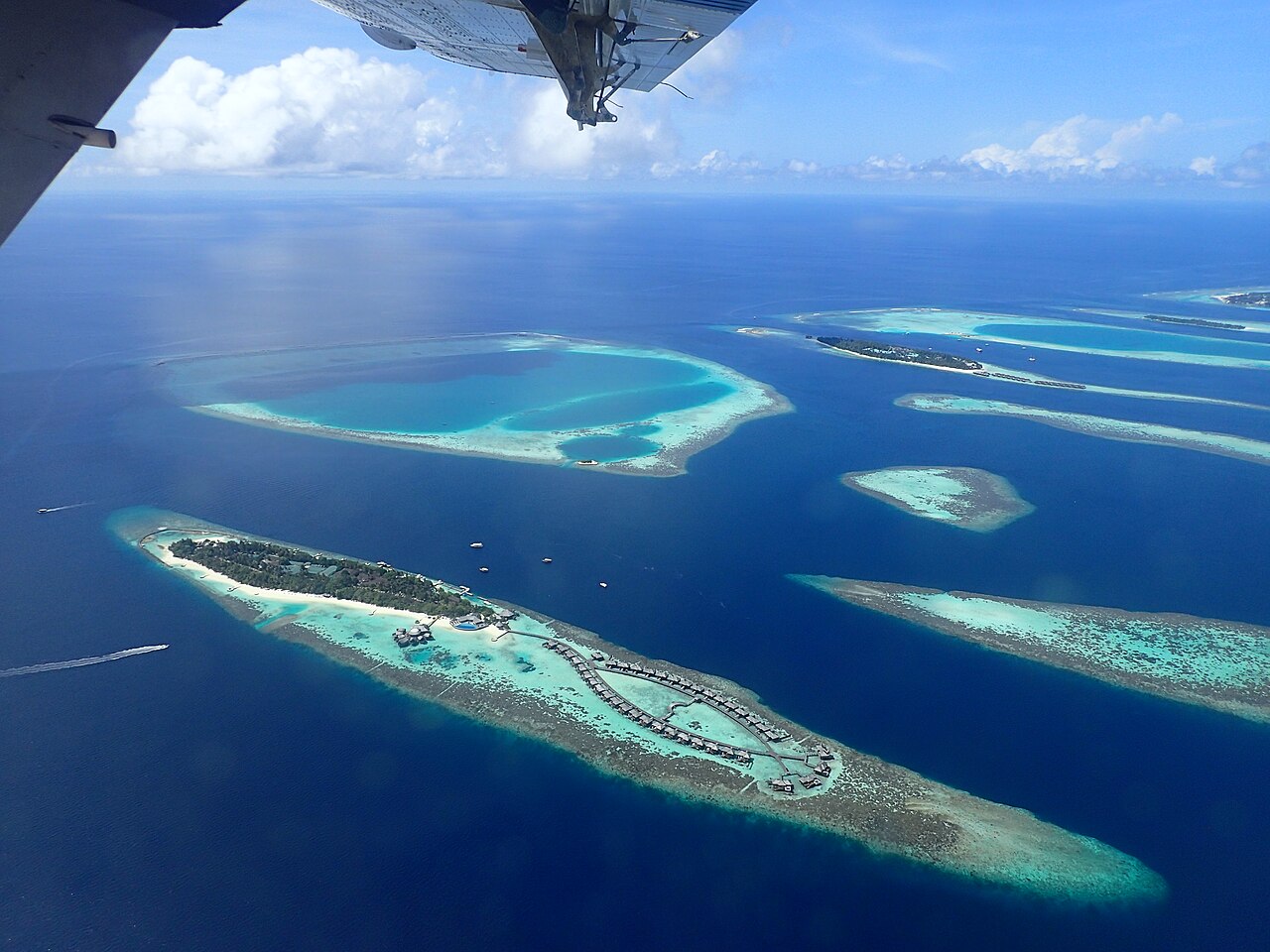
Maldives, Indian Ocean
The Maldives: Learning to Read the Atolls
A nation of coral rings scattered across the Indian Ocean, where choosing an atoll matters as much as choosing an island.
Tropical Islands · 8 min read
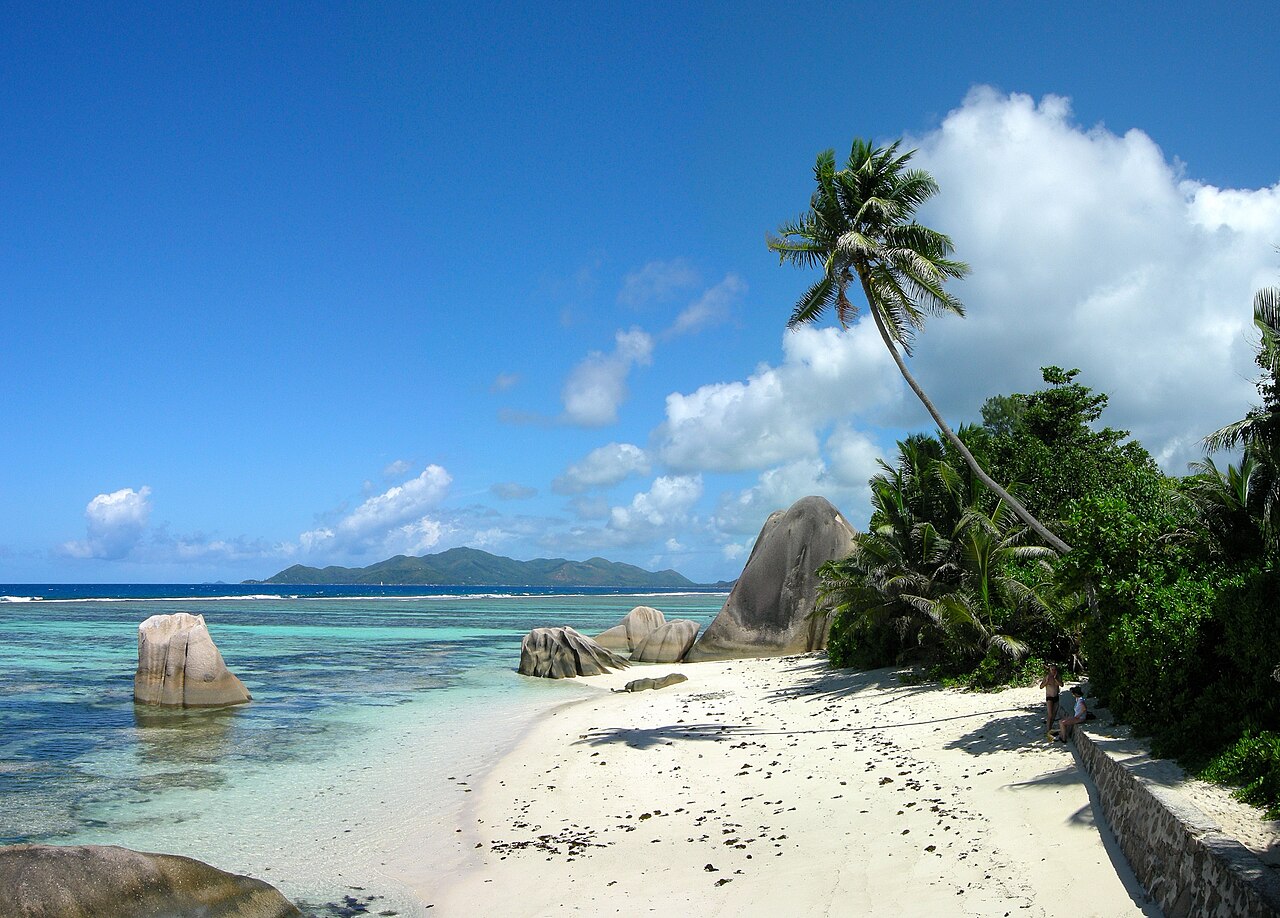
Seychelles, Indian Ocean
Seychelles: Granite Boulders and Endless Light
Ancient granite, quiet coves and forested peaks make the Seychelles feel unlike any other tropical archipelago.
Tropical Islands · 9 min read
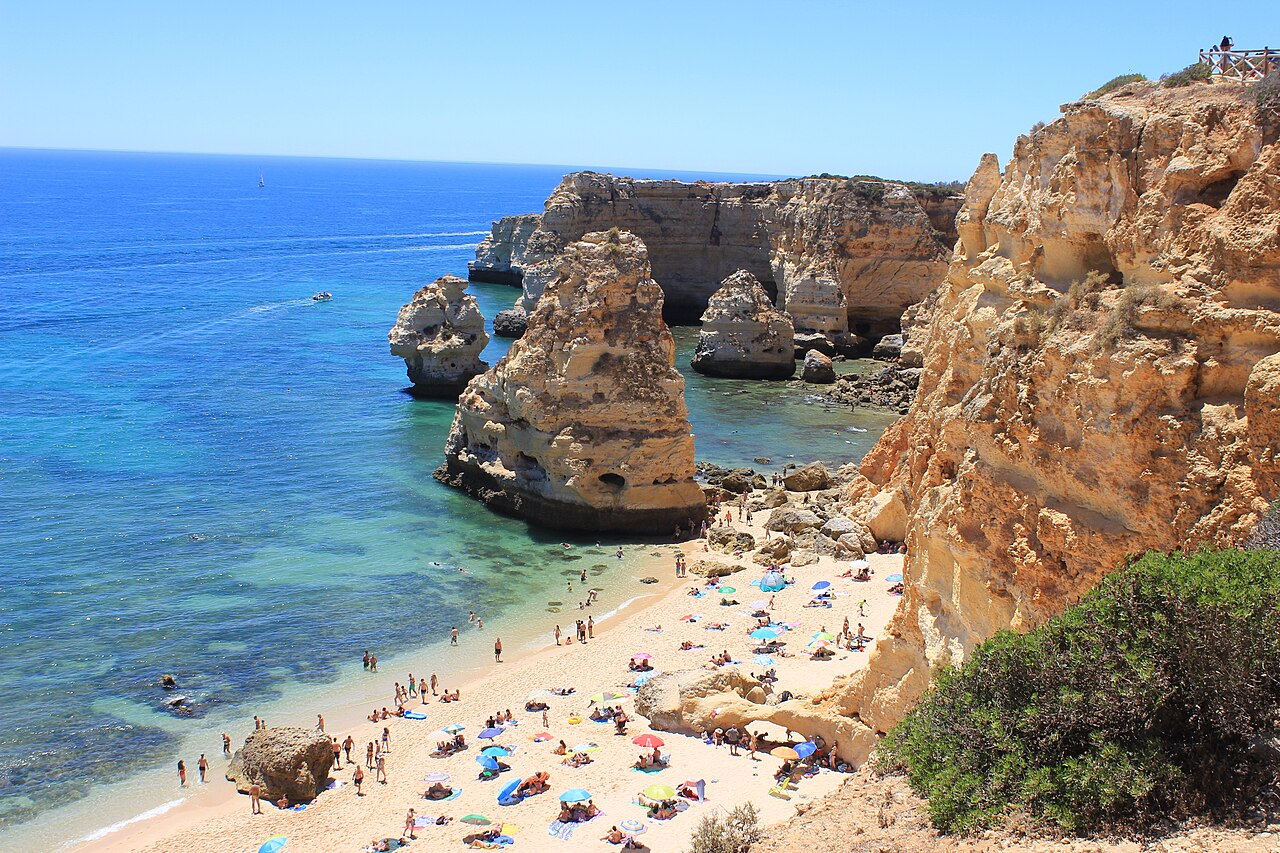
Algarve, Portugal
The Algarve's Golden Coves
Sea caves, rock arches and sheltered sand pockets line Portugal's southern coast between Lagos and Carvoeiro.
Secret Beaches · 8 min read