Kayaking the Lagoons of El Nido, Palawan
Limestone cliffs, emerald lagoons and quiet channels make El Nido one of Asia's finest places to paddle.
Palawan, Philippines · 10 min read · IGANAVI Editorial Team
Published August 25, 2026 · Updated November 16, 2026
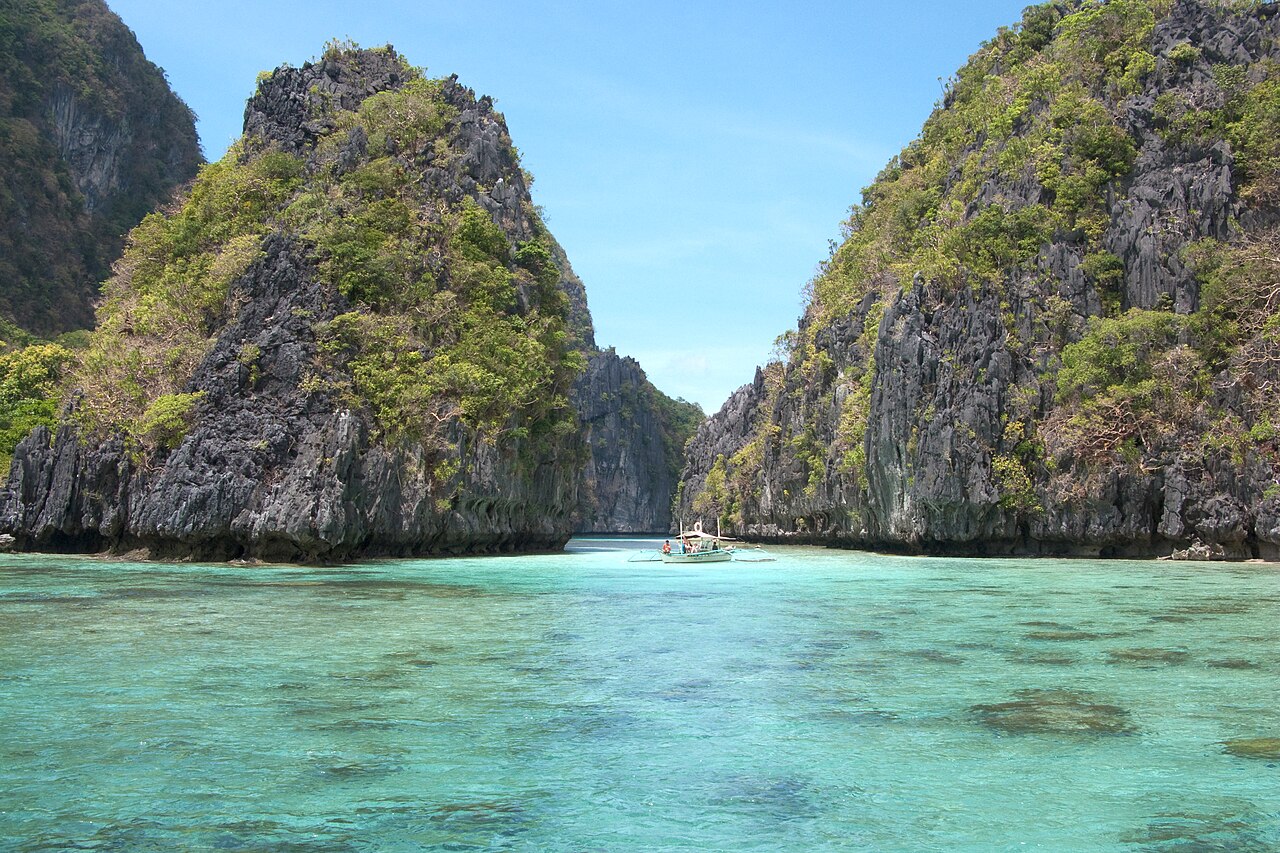
The first adjustment is to stop paddling so hard. Inside a sheltered lagoon off El Nido, a few quiet strokes can be enough to carry a kayak beneath limestone walls. Look up and the cliffs seem to close around the sky. Look down and the colour changes with the depth, from pale green over sand to a much darker blue.
That intimate scale is what makes kayaking in northern Palawan memorable. It is also easy to misunderstand. Most visitors reach these lagoons on organised boat excursions, then use kayaks for a particular stop. This is not generally a matter of hiring a boat in town and independently wandering through any protected inlet that catches your eye.
Understand El Nido before choosing a tour
El Nido lies in northern mainland Palawan in the western Philippines. Offshore, Bacuit Bay contains limestone islands, beaches, reefs and narrow waterways within a protected landscape and seascape. The town is a base for visiting them, with transport offices, accommodation and a busy waterfront rather than an uninterrupted stretch of wilderness.
Give yourself a little time on land before the first boat day. Arrival flights, road journeys and sea transfers can be tiring, and the practical arrangements are easier when you are not making decisions immediately after a long trip. Ask where your tour actually assembles, since the departure arrangements can change with local instructions and conditions.
A kayak inside a lagoon and a motorised outrigger boat crossing the bay perform different jobs. The larger boat handles the approach; the kayak allows slower movement in a controlled visitor area. Keeping that distinction in mind helps when comparing photographs, tour descriptions and what your fitness level realistically allows.
What the letters A to D actually mean
El Nido island-hopping trips are commonly organised into Tours A, B, C and D. These are recognised route groupings, not grades of difficulty or quality. Tour A is usually associated with Big Lagoon, Tour B with caves and sandbars, Tour C with beaches reached across more exposed water, and Tour D with other lagoons and beaches, often including Small Lagoon.
Treat those descriptions as starting points. Permitted stops, access arrangements and the day's route can change. Ask the operator for the currently authorised itinerary rather than relying on an old photograph of a tour board. In particular, do not assume Big Lagoon and Small Lagoon will be combined on the same standard trip.
Pick the day around the experience you want
If paddling in Big Lagoon is the main reason for visiting, say that explicitly before paying. Confirm that a lagoon permit and an available entry slot have actually been arranged. A general Tour A description is not the same thing as confirmation of controlled lagoon access on your chosen date.
A private boat can change the group experience, but it does not remove conservation rules, capacity limits or weather restrictions. Nor does it automatically create permission to combine stops from different routes. Ask practical questions about time in the kayak, assistance at boarding and the expected return, not simply whether a trip is described as exclusive.
Big Lagoon rewards an unhurried approach
Big Lagoon is on Miniloc Island. Its entrance leads into a striking limestone enclosure, with shallow and deeper sections changing the colour beneath the kayak. Conditions at the approach vary with tide, wind and boat traffic. Listen to the guide's instructions about where to board, which way to paddle and where you are allowed to go.
Access is managed through limited slots and permits. In busy periods, arrange the visit ahead through an authorised operator and confirm the current local tourism requirements. Kayak hire, lagoon charges and the environmental fee may be separate from the advertised boat-tour price. Ask for a clear breakdown rather than assuming that every photograph in a listing represents an included activity.
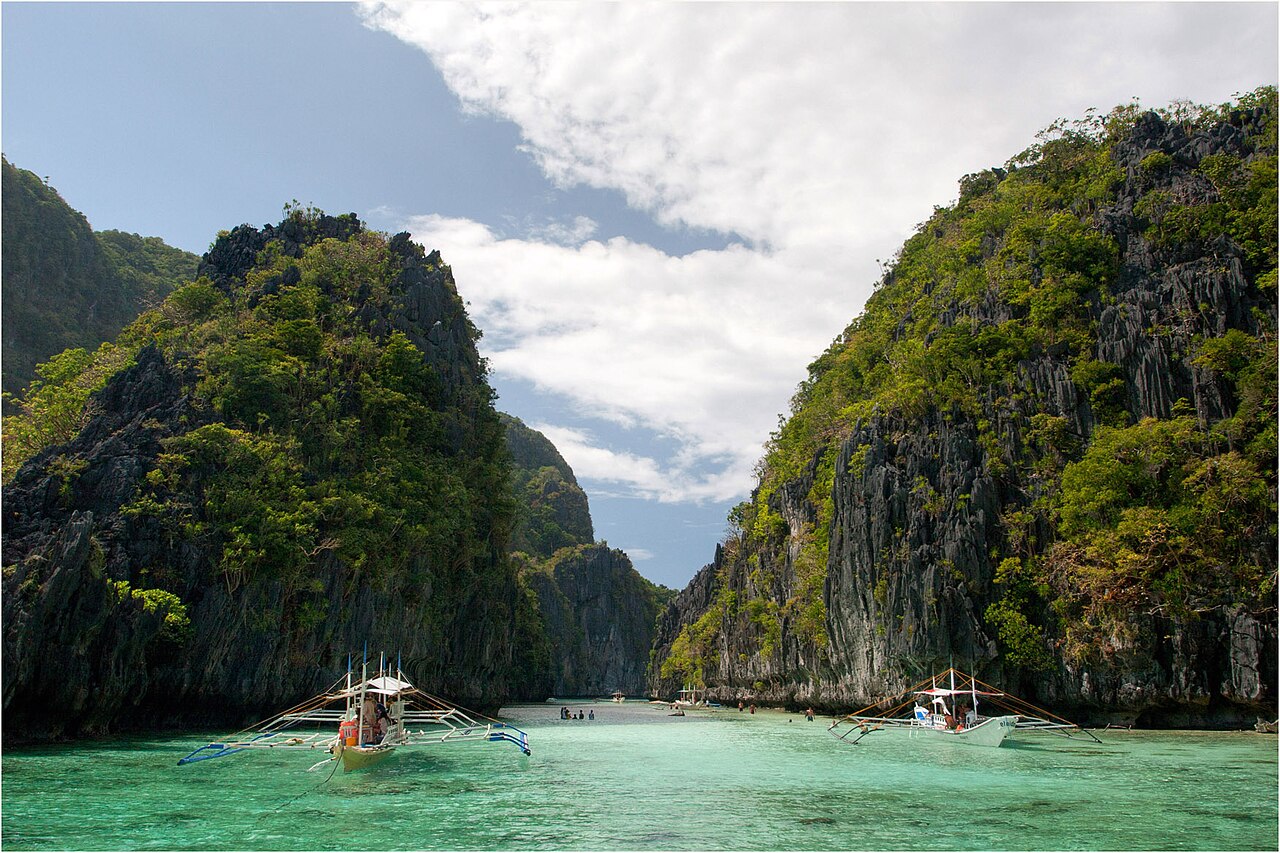
Once inside, leave room around other kayaks. Stopping suddenly in a narrow passage can create a small traffic jam, especially when paddlers are concentrating on taking pictures. Let your companion know before you stop paddling or reach for the camera. A short, coordinated movement is more useful than both people making large corrective strokes at once.
Do not scrape the hull deliberately over coral or pull yourself along living surfaces. Water clarity can distort your judgement of depth, so follow the approved route and local directions. The most satisfying moments often come from floating briefly in a permitted open area, away from the bottleneck, rather than trying to cover every corner.
Small Lagoon is a separate experience
Also on Miniloc, Small Lagoon is known for its narrow rock entrance and enclosed water. Its confined access makes patience particularly important. Follow the guide's directions about approaching and passing through, and do not block the opening while arranging a photograph.
Small Lagoon is not simply a smaller substitute automatically included with Big Lagoon. It is commonly associated with a different tour grouping, and current permits and access rules need checking. If both matter to you, allow separate tour days and ask an authorised provider or the municipal tourism office how the current system works.
Even sheltered water deserves attention. Reflected heat, humidity and the effort of manoeuvring can be tiring. Take a pause before exhaustion turns a pleasant paddle into an argument over steering. There is nothing wrong with asking the guide for help or deciding that one lagoon outing is enough for the day.
Paddling skills that make the day easier
You do not need expedition-level technique for a short guided lagoon paddle, but you should be comfortable following instructions and wearing a properly fitted buoyancy aid. Tell the operator beforehand if you cannot swim, have limited mobility or are anxious around deep water. Ask what assistance is genuinely available rather than assuming it can be improvised offshore.
For a tandem kayak, agree on a simple rhythm before leaving the boarding area. The person in front can set the pace while the person behind helps coordinate direction. Keep strokes manageable and communicate early when turning. Most steering disagreements become smaller once both paddlers stop trying to correct everything simultaneously.
Equipment and boarding deserve attention
Check that the buoyancy aid fits and fastens properly. Keep it on while paddling, even if other visitors remove theirs for photographs. A phone pouch does not replace a dry bag, and neither guarantees protection if it is damaged or left open. Carry only what you need on the water.
Wear footwear suitable for wet boarding areas, but do not use it as permission to walk on coral. Keep hands away from sharp limestone edges. Ask before stepping out of the kayak, and let the crew explain the safest way to transfer between craft. A little patience at boarding prevents alot of unnecessary wobbling.
Between paddles, look below the surface
Many island-hopping trips include snorkelling stops. Visibility, current and the condition of the reef vary between locations and days. Stay within the guide's designated area and keep clear of propellers and moving boats. If you are not confident, say so before entering rather than waiting until the group has spread out.
Never stand on coral, chase turtles or collect shells and marine life. Keep fins away from the bottom, and avoid touching giant clams or anything else that looks tempting to investigate. A rash guard provides useful sun protection and reduces reliance on sunscreen. No sunscreen label makes trampling a reef harmless.
Lunch and beach stops can be sociable and busy. Secure lightweight rubbish before the wind takes it, and follow the current rules on disposable plastics and items carried into the protected area. Bring a reusable water bottle if permitted and confirm how drinking water is supplied for the whole day.
Weather sets the schedule
The broadly drier period is around November to May, though its beginning and end vary and rainfall remains possible. The southwest monsoon often brings wetter, windier conditions during the middle part of the year. Tropical weather systems can affect Palawan even when their centre is elsewhere.
Calm-looking water beside town does not prove that the exposed part of a route is safe. The Philippine Coast Guard and local authorities can restrict or suspend departures. A responsible operator follows those decisions rather than promising to find a way around them. Keep flexibility in the itinerary and ask about cancellation arrangements before paying.
Morning light can be beautiful, but an early start does not guarantee empty lagoons. Entry slots, route management and the other boats all affect crowding. Choose a day for its forecast and permitted access, not an unrealistic promise that you will have a famous lagoon entirely to yourself.
Getting there and considering Coron
El Nido has an airport at Lio, while Puerto Princesa provides another gateway to Palawan followed by a lengthy road transfer north. Check current flights directly with airlines and allow realistic time between separate transport bookings. A late arrival in Puerto Princesa does not turn the onward drive into a short journey.
Coron is farther north in the Calamian Islands, not south of El Nido. Another useful distinction is that Coron town is on Busuanga Island, while well-known places such as Kayangan Lake are on nearby Coron Island. Visitors often combine the areas, but they are separate destinations with their own access rules.
Passenger ferries connect El Nido with Coron town when services and conditions allow. Check the actual operator's schedule and avoid placing an essential flight immediately after a sea crossing. Wreck diving around Coron also requires appropriate training and an established dive operator; it is not an interchangeable add-on to a casual lagoon paddle.
Practical tips for an El Nido lagoon day
- Confirm the tour letter, authorised stops and any lagoon entry slot in writing with the provider.
- Ask whether kayak rental, lagoon permits, equipment and lunch are included or paid separately.
- Pay the current Eco-Tourism Development Fee through the authorised arrangements and retain the receipt for its stated validity period.
- Check current fee amounts and rules with El Nido's municipal tourism office rather than relying on an old blog price.
- Carry modest cash for legitimate extras, with valuables protected from spray.
- Use a hat, protective clothing and enough drinking water; limestone enclosures can feel hot even on a boat day.
- Leave spare time before onward travel in case sea conditions change.
Back on shore, rinse the salt from your gear and give yourself an easy evening. Two consecutive boat days can feel more tiring than expected. A quiet meal and a good nights sleep may improve the next outing more than another hour spent comparing tour photographs.
Frequently asked questions
Does Tour A always guarantee Big Lagoon entry?
Do not assume so from the name alone. Confirm the current itinerary, permit and available slot with the operator before paying. Weather or official restrictions can still change the day, even after arrangements have been made.
Is the environmental fee the same as kayak rental?
No. The Eco-Tourism Development Fee is distinct from equipment hire and any separate lagoon charges. Inclusions vary between providers, so ask for an itemised explanation and keep the official fee receipt.
Can a beginner kayak inside the lagoons?
Many beginners enjoy short guided paddles, provided conditions are suitable and they follow the safety briefing. Explain swimming ability and health or mobility concerns beforehand. Open-water crossings are a different undertaking and should not be treated as an extension of a sheltered sightseeing paddle.
Should I reserve only one day in El Nido?
One day leaves little flexibility if boats cannot depart or lagoon slots are full. Several nights create more options and reduce pressure to go out in unsuitable conditions. Keep at least some time uncommitted rather than filling every day with a prepaid sea excursion.
Related guides
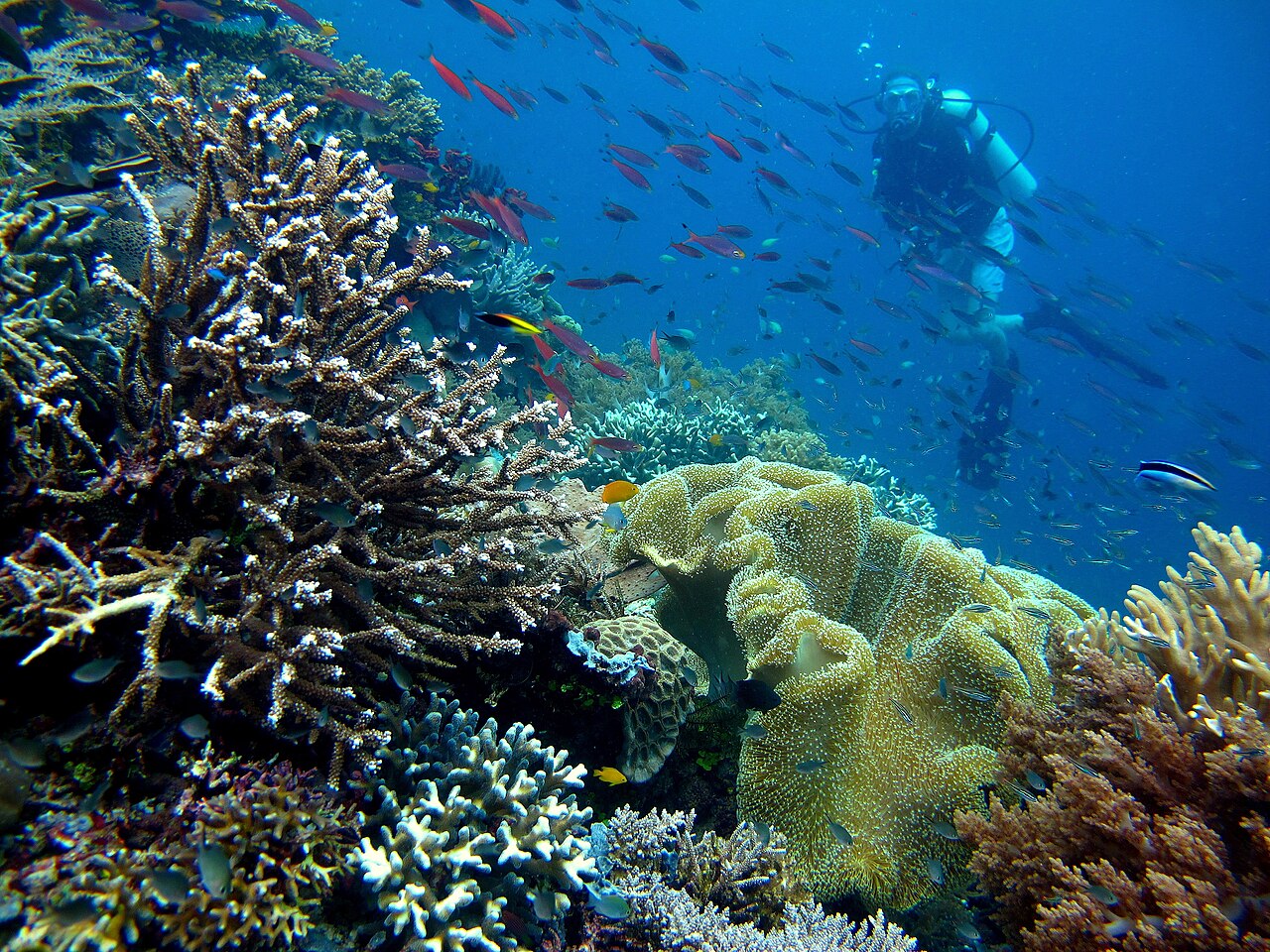
West Papua, Indonesia
Raja Ampat: A Coral Kingdom at the Edge of the Map
Karst islands, lagoons and some of the richest reefs on the planet make Raja Ampat a dream for ocean lovers.
Ocean Adventures · 9 min read
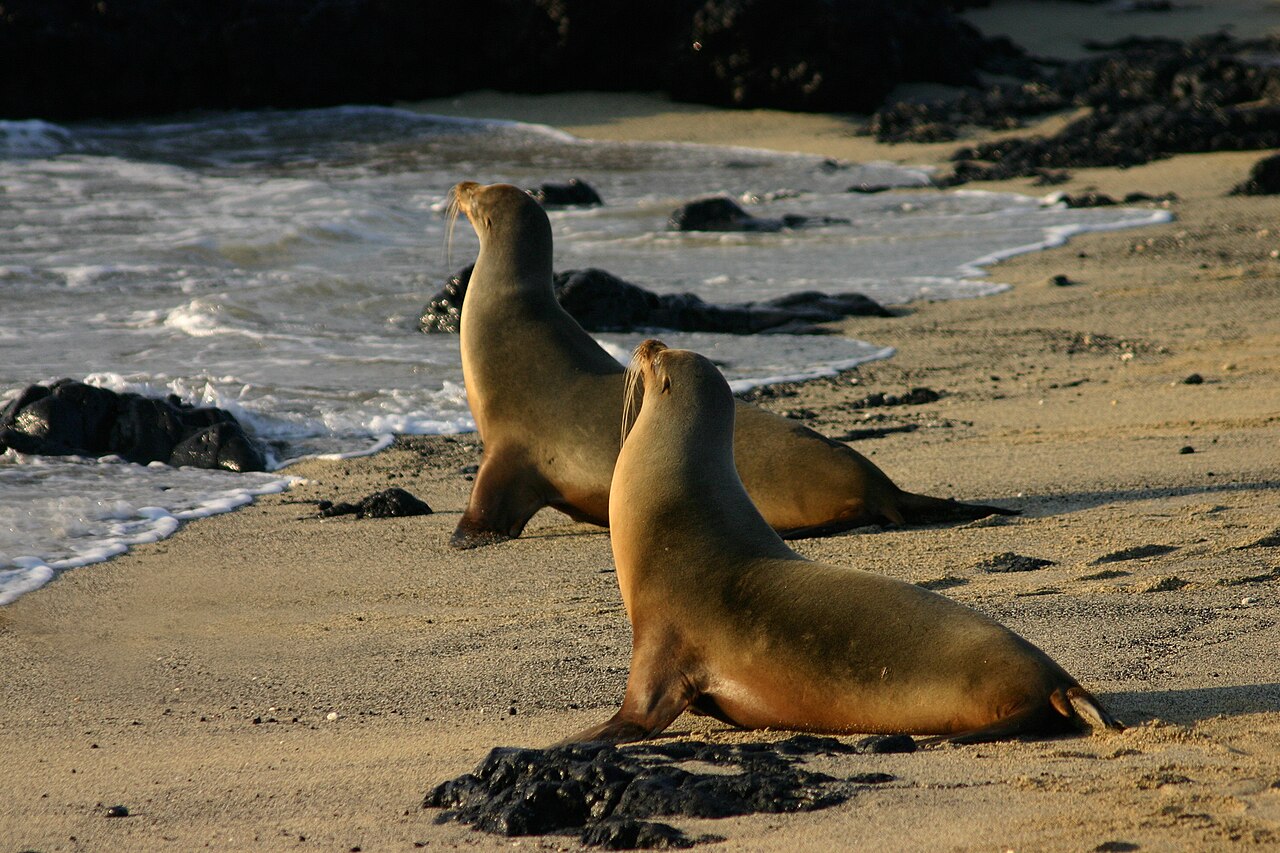
Galápagos Islands, Ecuador
The Galápagos: Wildlife Without Fear
Sea lions, marine iguanas and curious fish make the Galápagos one of the most remarkable places to meet ocean life.
Ocean Adventures · 8 min read
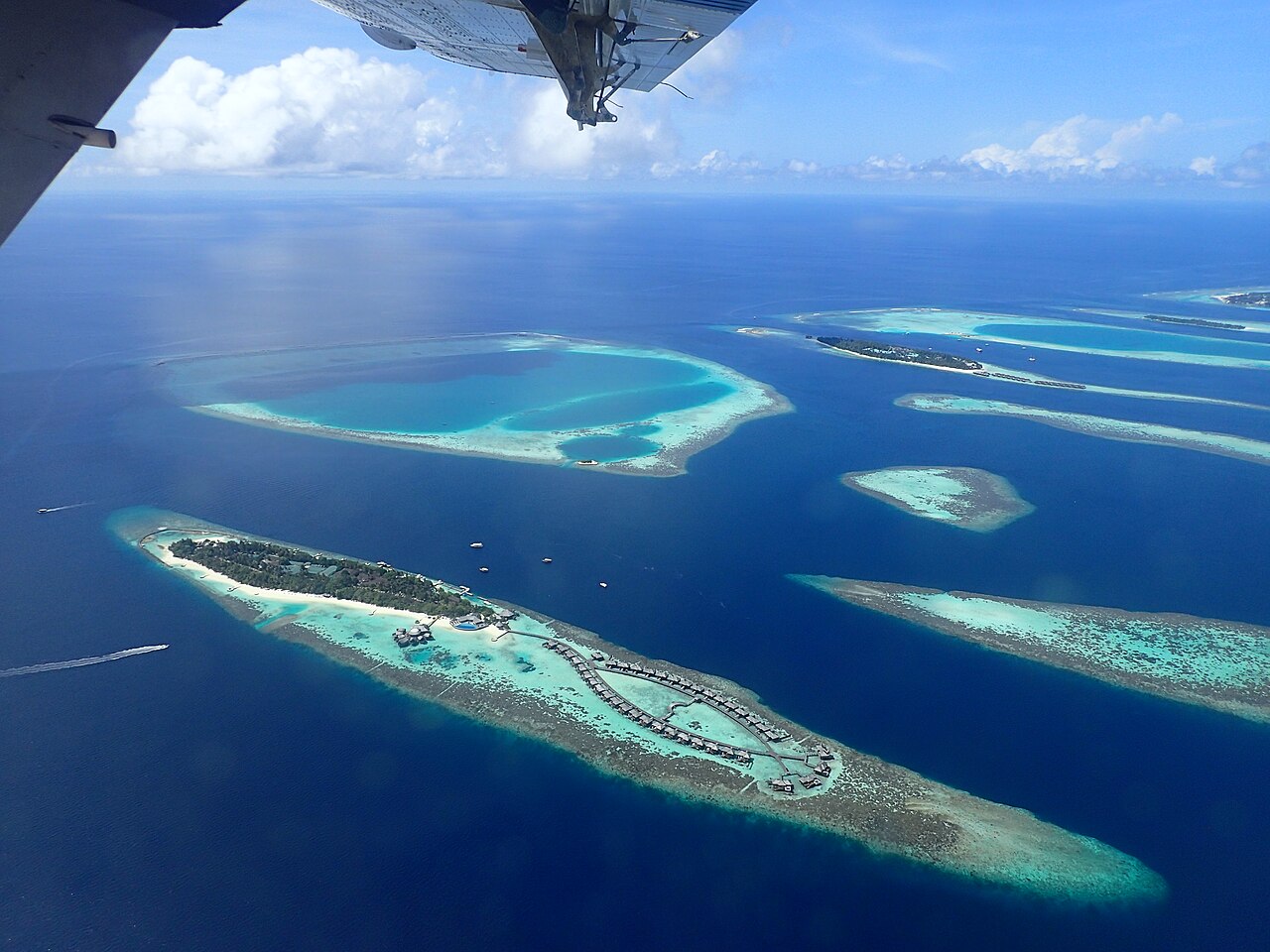
Maldives, Indian Ocean
The Maldives: Learning to Read the Atolls
A nation of coral rings scattered across the Indian Ocean, where choosing an atoll matters as much as choosing an island.
Tropical Islands · 8 min read