Menorca's Quiet Coves and Country Retreats
Protected landscapes, turquoise coves and rural farmhouses make Menorca the calmest of the Balearic Islands.
Menorca, Spain · 9 min read · IGANAVI Editorial Team
Published June 26, 2026 · Updated November 16, 2026
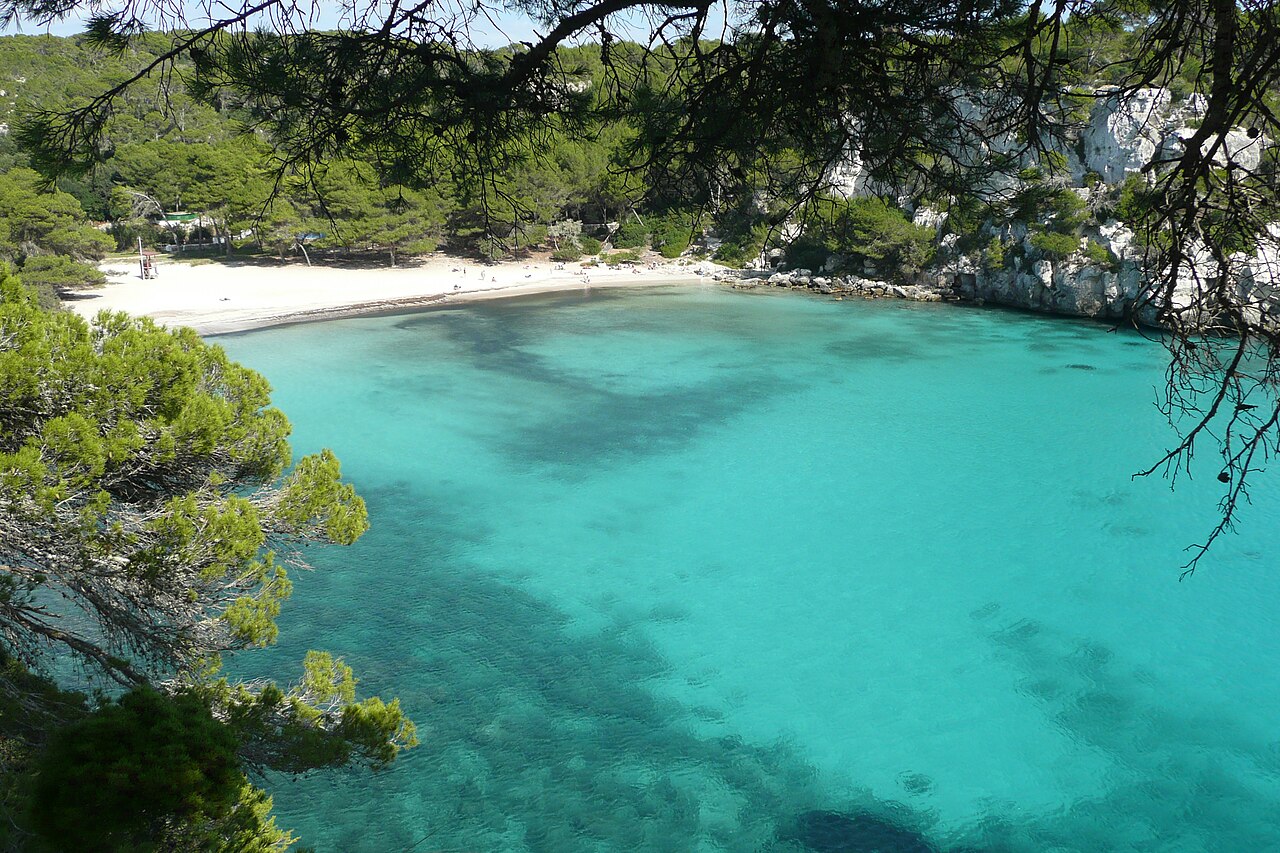
On Menorca, a quiet holiday usually starts with a small decision: fewer beaches, more time at each one. The island is compact enough to tempt you into constant movement, yet its best days often involve a single path through pines, a swim and a late return to the shade of a stone farmhouse.
Quiet does not mean empty. Macarella and other celebrated coves attract plenty of people in summer, and a rural address can still be within earshot of a road. The pleasure lies in choosing carefully, accepting the weather and leaving enough space in the day to change your mind.
An island shaped by protection and farming
Menorca is a UNESCO Biosphere Reserve. That designation recognises a landscape where people and nature coexist; it does not mean the entire island is an untouched reserve with identical rules everywhere. Working farms, towns, resorts, wetlands and protected stretches of coast all belong to the same island.
Dry-stone walls divide fields, cattle shelter near farm buildings and narrow lanes thread through the interior. These are working surroundings, not simply scenery on the way to a beach. Pull over only where it is safe and permitted, leave farm entrances clear and never climb a wall for a better photograph.
The landscape changes as you travel. Much of the south has pale limestone cliffs, wooded ravines and sandy coves. Parts of the north are more exposed, with darker rock, reddish earth and a stronger sense of open weather. Neither coast has a monopoly on beauty or calm water.
Southern coves without the rush
Macarella and neighbouring Macarelleta have the colours many visitors associate with Menorca: light sand, turquoise water and pine trees above the shore. They are also among its best-known places. Visiting them with the expectation of complete silence in August is setting the wrong test.
Macarella is the larger cove. Macarelleta is smaller and reached on foot, with uneven ground and exposed sections on the connecting coastal route. A short distance on a map can feel quite different in heat, carrying towels and water. Wear shoes you can walk in securely and keep children close near drops.
Plan around summer access rules
Private-vehicle access to the Macarella area is restricted in summer, with a seasonal bus service from Ciutadella. Check the official Menorca transport information for the dates, stopping points, ticket arrangements and final return. A bus ride does not necessarily deliver you directly onto the sand; allow for the walk at the beach end.
Other southern coves have their own arrangements. Car parks serving places such as Cala en Turqueta or Son Saura may fill, and access can be controlled when capacity is reached. Do not assume that restrictions at one beach explain the rules at another. Follow road signs and staff directions rather than an old route saved on your phone.
For a less pressured day, choose one cove and a realistic fallback before leaving. If access is closed or the bus you need is unavailable, switch plans. Driving around narrow lanes looking for unofficial parking only makes the problem worse and rarely produces a peaceful afternoon.
Northern shores and changing wind
The north gives you a different Menorca. Around Favàritx, the lighthouse stands above a rocky landscape with little of the sheltered pine-wood atmosphere found farther south. Nearby beaches such as Cala Presili and Cala Tortuga involve walking, and the exposed approach calls for water and sun protection.
Seasonal vehicle controls also affect access around Favàritx, with bus connections from Maó during the operating season. Confirm the current restrictions and timetable before setting out. The bus stop is not the end of every beach walk, so include the onward path and your return in the day's plan.
Farther west, the coast around Cavalleria offers broad skies and striking earth colours. It can feel wonderfully open, but open also means exposed. A northern wind can roughen this shore, just as a southerly can make southern coves uncomfortable. Look at the marine forecast and local beach advice, not simply the direction your accommodation faces.
A sheltered-looking bay can still have currents or an awkward exit over rocks. Follow flags and signs where provided. On an unguarded beach, be conservative, especially with children or when swimming alone. Clear water makes the seabed visible; it does not make every swim safe.
Walking the Camí de Cavalls
The Camí de Cavalls is the historic trail that circles Menorca. It connects coastal landscapes, settlements and inland stretches, sometimes following the shore and sometimes turning away from it. You do not need to attempt a major hike to enjoy it. A modest out-and-back walk can be the best part of a beach day.
Choose a section, not an ambition
Look at terrain as well as distance. Rocky steps, loose surfaces, gates and repeated small climbs slow progress. Shade can disappear for long stretches, even on routes that begin among trees. In summer, walk early and avoid turning the middle of the day into an endurance exercise.
Carry water for the whole route and do not count on finding a café at the next cove. Download a reliable map before leaving good reception, stay on marked paths and respect closures. Close gates behind you where instructed and give livestock space. The coastal path passes through a lived-in island.
For a one-way walk, arrange the return first. Seasonal buses may not connect conveniently with both ends, and taxis are not guaranteed to appear at remote access points. An out-and-back route is often simpler. Leave a little energy for the return; the last rocky stretch feels longer with wet swimming things in your bag.
Country retreats with a sense of place
Traditional farm properties, known as llocs, are part of Menorca's rural identity. Some have become licensed rural accommodation, while others remain private homes or working farms. A whitewashed building in a field is not automatically a guesthouse, and rural does not always mean remote.
Before choosing a stay, ask practical questions. Is the approach paved? Will you need a car for dinner? Is the pool shared, and does the property still have agricultural activity? Families may value a kitchenette more than an elaborate garden, while walkers may prefer a base near the particular trail sections they intend to use.
An inland base encourages a different daily rhythm. Have breakfast slowly, visit a village or market, then decide whether the afternoon calls for a swim or a shaded terrace. Local Mahón-Menorca cheese is worth seeking out, with styles ranging from younger and milder to more mature and assertive. Ask how it was made and what the shop recommends.
There is no need to make every meal a destination. Buying a few simple supplies can save a long evening drive, particularly after a hot walk. Check what your accommodation permits before planning to cook. The small details makes a rural stay comfortable rather than inconvenient.
Town evenings and older stories
Ciutadella brings narrow streets, a cathedral and a harbour tucked below the old town. It suits an evening wander after the strongest heat has passed, though popular waterfront restaurants can be busy. Step away from the harbour and the town's everyday life becomes easier to notice.
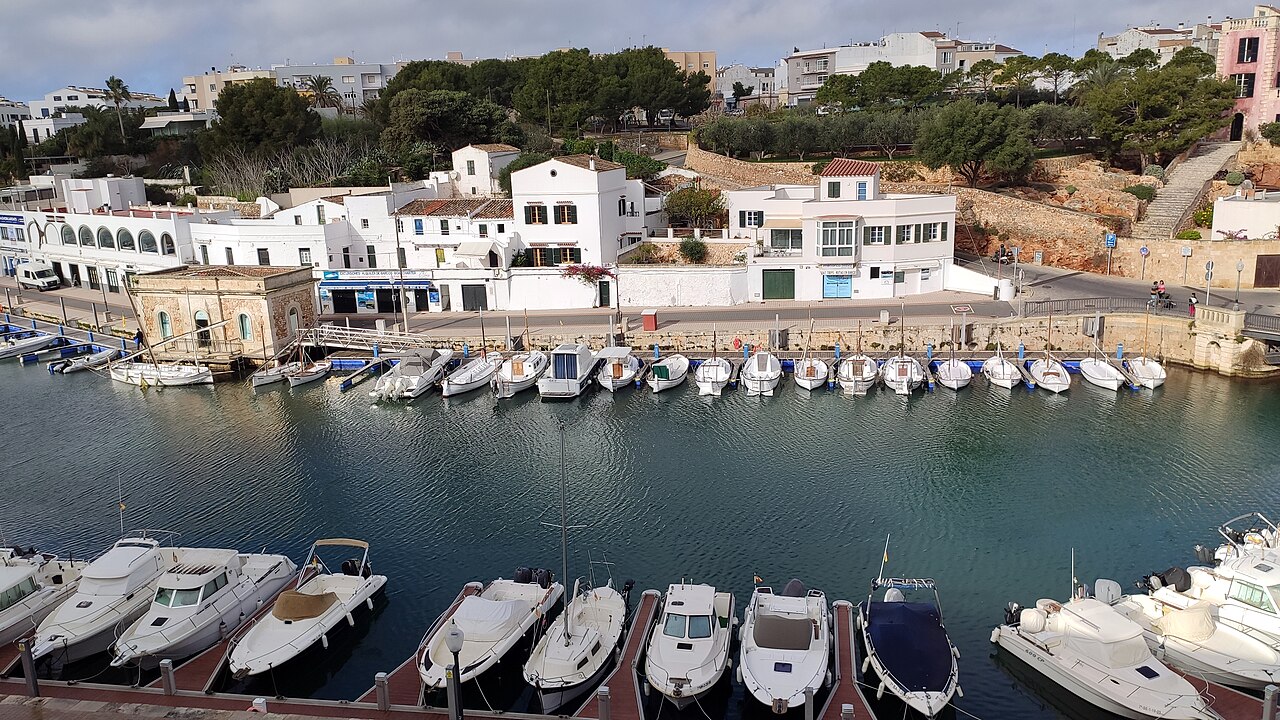
Maó has a different scale, with a long natural harbour, hillside streets and architecture reflecting periods of British rule. Allow time for the change in level between town and waterfront. Neither town needs to be reduced to a hurried stop between beaches; each offers enough interest for a day when the sea is rough.
Menorca's prehistoric sites add another layer. Talayots, taulas and other stone monuments form part of the Talayotic heritage, with selected sites recognised by UNESCO as Talayotic Menorca. They are archaeological places, not climbing frames. Check opening arrangements for the site you choose and bring shade, since many visits involve exposed ground.
Timing a quieter visit
Late spring and early autumn often suit a mixture of walking, village visits and swimming. The sea may feel cool in spring; autumn can bring unsettled spells. Seasonal transport and rural accommodation services may run reduced schedules outside summer, so a quieter month also requires more checking.
July and August bring heat and strong demand at famous coves. You can still have a gentle holiday, but flexibility matters more than finding an allegedly secret beach. An early swim followed by an inland afternoon may work better than spending the hottest hours hunting for parking.
Practical tips for coves and country stays
- Check official seasonal access notices for Macarella and Favàritx, plus parking controls at your chosen beach.
- Confirm the last return bus before walking away from the stop, and allow time to get back from the sand.
- Carry drinking water, food and sun protection for coves without dependable facilities.
- Keep beach gear light enough to carry on uneven paths rather than relying on wheeled equipment.
- Leave protected plants, dunes and dry-stone walls undisturbed, and take litter back to your accommodation.
- If going afloat, use a responsible licensed provider and respect restrictions protecting seagrass, including Posidonia meadows.
- Check rural arrival instructions in daylight when possible; narrow lanes are less relaxing when you are tired and lost.
Keep a spare layer in the car or day bag too. A breezy evening can feel cool after swimming, even when the walk down was hot. It is an easy thing to forget untill you are sitting outside waiting for supper.
Questions for a slower Menorca holiday
Are Macarella and Macarelleta genuinely quiet?
Not reliably in peak season. They are famous, relatively small beach destinations. Visit for their setting, use the official access arrangements and accept that other people will have had the same idea. Quieter hours or a different cove may suit you better.
Do I need a car for a rural stay?
Often it is useful, but the answer depends on the property's location and your plans. Some stays are inconvenient without one. Check walking access, nearby services, taxi availability and seasonal buses before committing, rather than assuming a short map distance means an easy journey.
Which coast should I choose when it is windy?
Start with the day's forecast and local advice. The opposite coast to the prevailing wind may offer more shelter, but individual bays behave differently. Never cross the island on that rule alone without checking conditions, warnings and the swimming access at your destination.
Can I walk between coves in beach sandals?
For rough coastal paths, secure walking shoes are the better choice. Save sandals for the beach itself. Plan water, shade and your return with the same care you give the swimming stop, and the walk becomes part of the pleasure rather than the price of reaching it.
Related guides
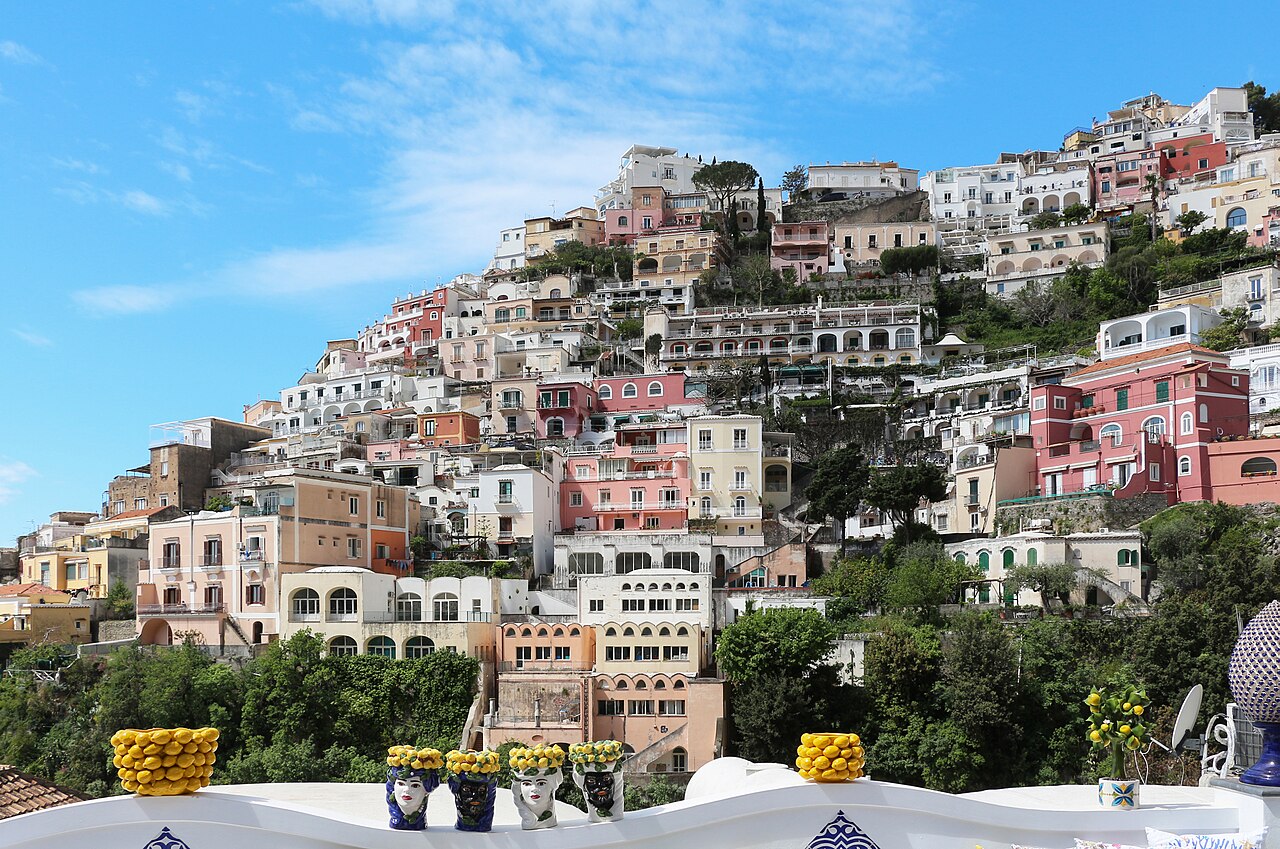
Amalfi Coast, Italy
Cliffside Stays on the Amalfi Coast
Terraced villas, lemon gardens and sea-view balconies define the Amalfi Coast's most beautiful places to stay.
Coastal Hideaways · 8 min read
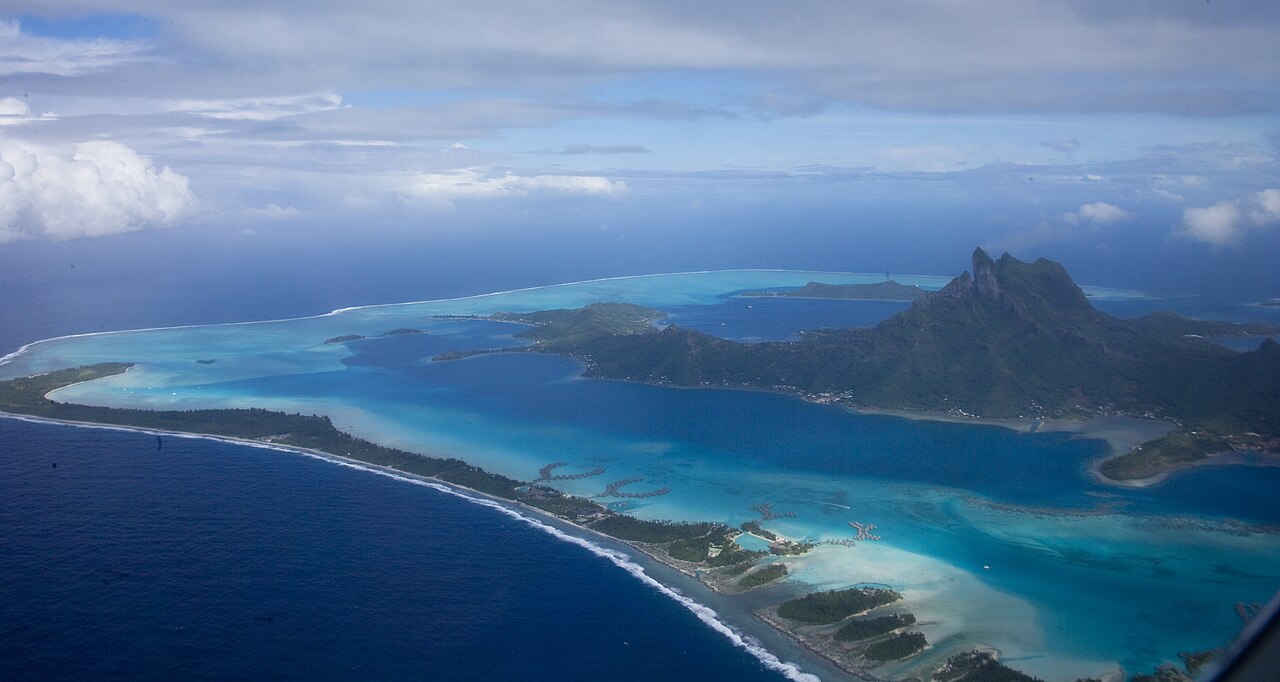
Bora Bora, French Polynesia
Bora Bora: Life on the Lagoon
A volcanic peak ringed by a turquoise lagoon makes Bora Bora the classic setting for overwater stays.
Coastal Hideaways · 8 min read
Fiji, South Pacific
Fiji's Island Chains: The Yasawas and Mamanucas
Two island groups off Viti Levu offer reef-fringed beaches, village warmth and easy access by boat.
Tropical Islands · 8 min read