Komodo National Park: Dragons, Pink Sand and Currents
Rugged islands, rich reefs and famous dragons combine in one of Indonesia's most dramatic marine parks.
East Nusa Tenggara, Indonesia · 9 min read · IGANAVI Editorial Team
Published July 21, 2026 · Updated November 16, 2026
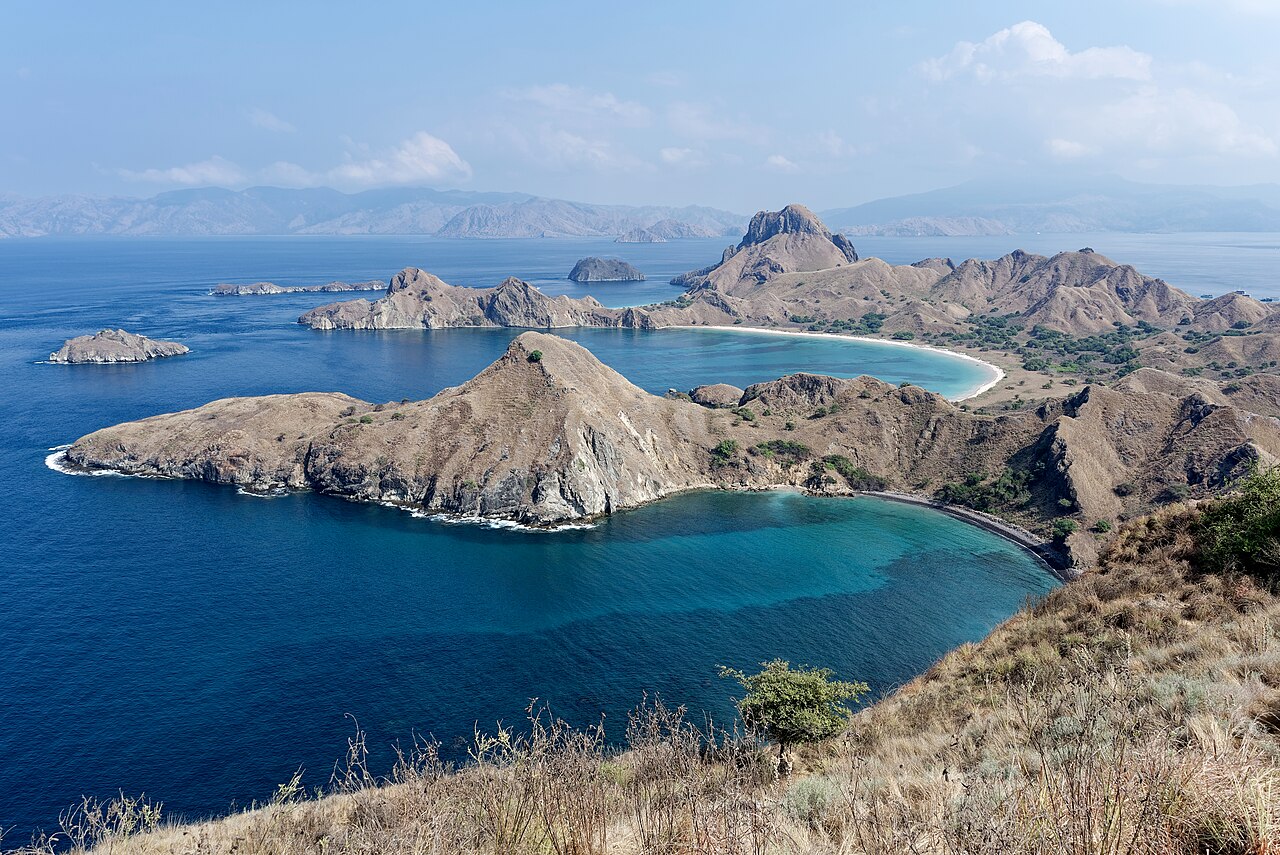
From a boat off Flores, the islands of Komodo National Park look almost spare: folded hills, dry grass and dark headlands above water that changes colour with the depth. Then something moves. A turtle surfaces beside the hull, fish scatter over a reef, or a dragon crosses a dusty path with an unhurried swing of its tail.
The landscape invites a busy itinerary. It also demands restraint. Currents, heat, wildlife rules and the condition of your boat matter more than how many stops appear on the day's schedule. Come for the dragons and pink sand, certainly, but choose a trip that gives the sea the final say.
The park and its gateway
Komodo National Park lies between Sumbawa and Flores in East Nusa Tenggara, Indonesia. Komodo, Rinca and Padar are its best-known large islands, with smaller islands and extensive marine habitat around them. Its UNESCO World Heritage status recognises a landscape where terrestrial wildlife and the surrounding sea belong to the same story.
Most visitor boat trips begin at Labuan Bajo on western Flores. The town has an airport, accommodation and a busy waterfront, but do not confuse the number of boats with a uniform standard of operation. Trip styles range from compact day boats to liveaboards offering several nights aboard.
Allow time in Labuan Bajo before departure to meet your operator, confirm arrangements and sort out equipment. Arriving late and boarding early the next morning leaves little room to question something that does not feel right. A little breathing space is useful again before your onward flight.
What to confirm before paying
Ask for the actual vessel name, passenger arrangements, safety equipment and planned route. Check that there are suitable lifejackets for everyone, a passenger briefing, communication equipment and a clear response to medical emergencies. If travelling with children, ask specifically about correctly sized flotation equipment and deck supervision.
Park fees and access arrangements are set by the relevant authorities and may change. Request an itemised explanation of what your operator includes, what is payable separately and how official payments are documented. Avoid relying on old fee tables or claims that one package automatically includes every activity.
An itinerary should also explain what happens when a site closes or conditions deteriorate. A responsible decision to skip a stop is not a failed trip. It is often the clearest evidence that a crew is paying attention.
Padar on foot
Padar's familiar viewpoint looks across deeply indented bays and ridges that seem to fold into one another. The climb uses a stepped route but is still an exposed uphill walk. Heat, humidity and uneven footing can make it harder than the photographs suggest.
Early visits can reduce heat exposure, although sunrise is not a promise of solitude. Boats may arrive together, and narrow sections require patience. Carry drinking water, wear shoes with grip and keep both hands available where the footing warrants it. A phone is easier to replace than your balance.
Stay on the designated route. Dry grass is vulnerable to fire, and shortcuts accelerate erosion. Do not smoke on the hillside or assume that stepping outside a barrier is harmless because the ground looks firm. If you feel unwell, stop early and tell your guide rather than pushing for the upper viewpoint.
Pink sand without the postcard expectations
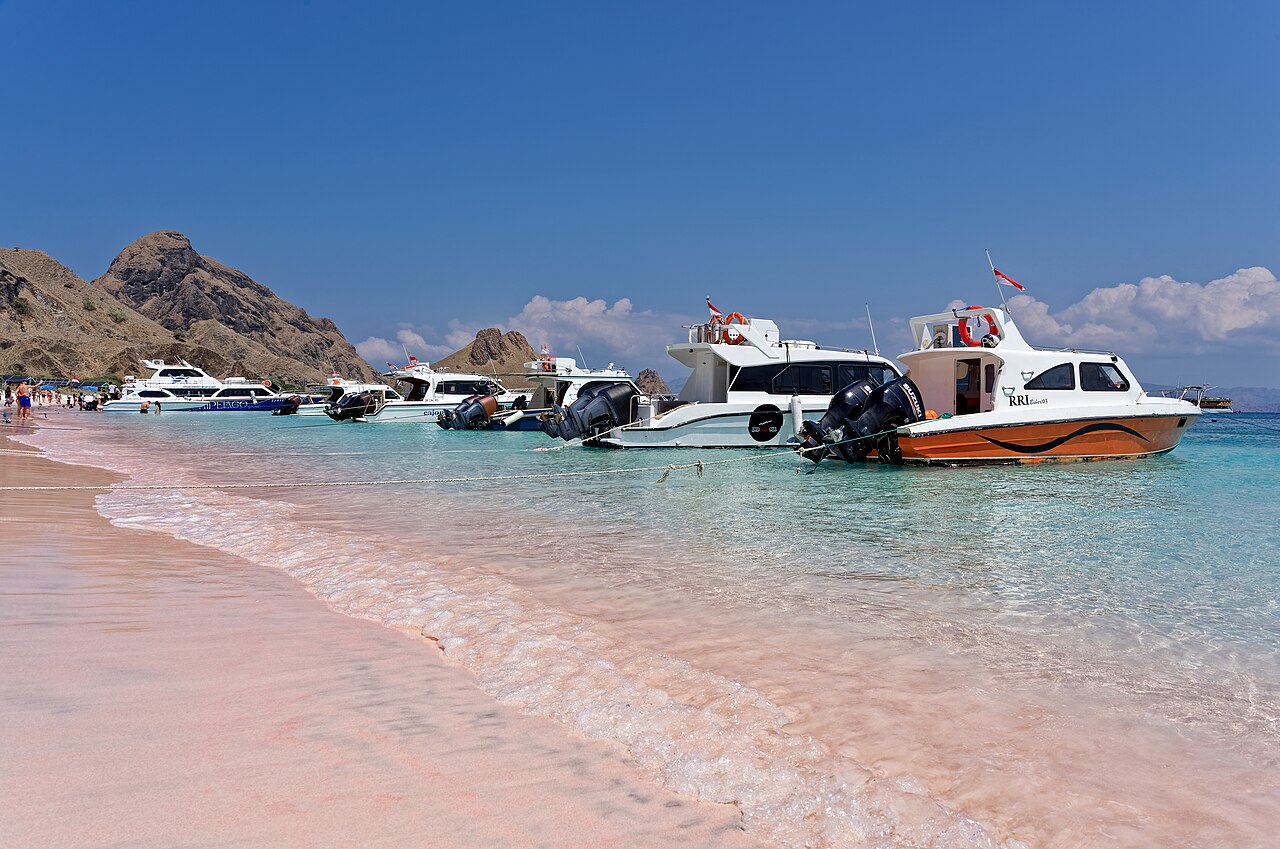
Several beaches in and around the park have a pink tint, produced by reddish biological fragments mixed with pale sand. The effect varies with the light, wetness and exact stretch of shoreline. Sometimes it is obvious; sometimes you need to look closely near the waterline.
That subtlety is part of the appeal. Do not expect the saturated colour of a heavily edited photograph. Look instead at the grains, the clear shallows and the transition from beach to reef. Leave shells, coral fragments and sand where they are.
A beautiful beach is not automatically a safe swimming beach. Ask the crew where entry is suitable that day, whether currents run along the shore and where the pickup point will be. Wear flotation when advised and never wander into the water alone while everyone else is ashore.
Shade may be scarce. Take water and sun protection off the boat with you, and bring everything back. The smallest wrapper can disappear into the scrub before anyone notices.
Meeting dragons on their terms
Komodo dragons are wild predators, not animals arranged beside a trail for viewing. Guided visits on Komodo or Rinca offer a chance to observe them in their habitat, but sightings and behaviour cannot be guaranteed. A dragon lying still is not an invitation to move closer.
Visitors entering dragon-viewing areas must follow the authorised arrangements and be accompanied by a licensed park ranger. Your boat guide does not replace that ranger. Stay with the group, follow the designated trail and accept the distance the ranger sets, even if another visitor wants a tighter photograph.
Never feed, touch, surround or try to provoke an animal. Keep food secured and tell the ranger about any relevant injury or health concern before walking. Children need close supervision. If instructions are unclear, ask before leaving the landing area rather than improvising once a dragon is nearby.
Choosing the right walk
Routes and access can vary with management decisions and conditions. Discuss the available options with the ranger, including heat, terrain and your group's mobility. A shorter walk with time to watch the landscape is better than a longer one spent struggling to keep up.
Look beyond the largest animal. Vegetation, tracks, birds and the presence of other wildlife help explain why dragons live here. The dry woodland may seem quiet at first, but it becomes more legible when someone knowledgeable points out what you have missed.
Reading the water
Komodo's marine life benefits from powerful exchanges of water through narrow channels and around islands. Those same forces make casual assumptions dangerous. Current strength and direction can change with tides and local conditions; a calm surface does not prove that the water below is manageable.
For snorkelling, choose an operator that assesses swimming ability, provides a proper briefing and keeps an effective lookout. Ask how the group stays together and how people are recovered if they drift. A lifejacket is useful, but it does not make a strong-current site appropriate for an inexperienced swimmer.
Manta rays may be seen at suitable sites, but there is no guaranteed encounter. Give them room, never chase or touch them and follow the guide's positioning advice. The same principle applies to turtles and other marine life: let the animal decide whether to remain nearby.
Diving is not a single difficulty level
Some dives may suit newer divers in appropriate conditions; others demand substantial experience and confident buoyancy control. Tell the dive centre honestly about certification, recent dives and comfort in current. A reputable team should choose sites for the divers present, not force everyone into a fixed highlight list.
Listen carefully to descent, separation and ascent procedures. Discuss equipment and emergency planning before departure, including oxygen provision. Keep adequate time between your final dive and flying in accordance with recognised diving guidance and your dive professional's advice.
Underwater, avoid grabbing coral or standing on the reef. Secure loose equipment and remain aware of fins and camera gear. There is alot to see without getting close enough to cause damage.
Day boat or several nights aboard?
A day trip can work well if you prefer sleeping ashore and accept a limited route. Longer crossings and several landings can make it a full day, especially when wind builds. Ask about realistic time at each stop rather than judging value by the largest number of destinations.
A liveaboard allows a different rhythm: early light on the hills, meals between islands and less daily return travel to Labuan Bajo. It also means committing to the vessel's sleeping arrangements, sanitation and safety standards. Inspect photographs critically and ask about ventilation, cabin access and escape routes.
Noise and motion affect sleep differently for different people. If you are prone to seasickness, discuss suitable precautions with a qualified health professional before travelling. Keep essential medication accessible, not buried beneath luggage in a shared storage space.
Seasons and flexible expectations
The region generally has a drier period from around April into November and a wetter monsoon period around December through March, but the boundaries are not reliable sailing guarantees. Rough water and strong currents can occur outside the wet season, and local conditions matter more than a broad monthly label.
Dry-season hills often turn tawny; after rain they can become strikingly green. Underwater visibility and wildlife encounters vary by site and season. Avoid choosing dates on the assumption that every reef will be clear or every crossing smooth.
Before departure, consult current Indonesian weather and maritime advice, park notices and your operator's update. Ask whether a weather-related change means an alternative route, a later departure or cancellation. Get those terms clear while you still have choices.
Practical tips for these islands
- Pack grippy shoes for Padar and dragon walks, plus a hat that will stay put in the wind.
- Carry drinking water in a reusable bottle and confirm how refills are handled aboard.
- Use sun-protective clothing and suitable sunscreen, keeping products out of the water as far as practical.
- Keep valuables and essential medication protected from spray, while making them easy to reach.
- Confirm park entry arrangements, ranger provision and activity fees directly before your trip.
- Choose travel insurance appropriate to boat travel and any diving you intend to do, checking evacuation terms carefully.
- Leave a buffer before important onward connections rather than relying on a precise return from sea.
Keep a dry layer for the return crossing too. Even in tropical weather, spray and wind can leave you feeling chilled after swimming. The best packing list is usually less glamorous than the itinerary, but considerably more useful.
Frequently asked questions
Can I visit the dragons without a ranger?
No. Use the official visitor arrangements and a licensed park ranger in dragon-viewing areas. Follow instructions throughout the walk, including when an animal appears inactive or approaches a visitor area.
Is Komodo suitable for beginner snorkellers?
Potentially, with an operator that selects an appropriate sheltered site for the day's conditions and provides close supervision. Not every stop suits beginners. Tell the crew your limits, and be willing to stay aboard if the assessment is unfavourable.
Will a day trip include Padar, dragons and a pink beach?
Many advertised routes combine these elements, but landings, weather and park controls can alter the plan. Ask what is genuinely feasible from your departure point and which alternatives apply. A itinerary is a plan, not a guarantee from the sea.
Should I choose the cheapest boat?
Compare safety arrangements, crew experience, maintenance and what is included before comparing price. A clear answer about lifejackets, communications and changing conditions is more valuable than another promised photo stop. If basic questions are brushed aside, choose another operator.
Related guides
West Papua, Indonesia
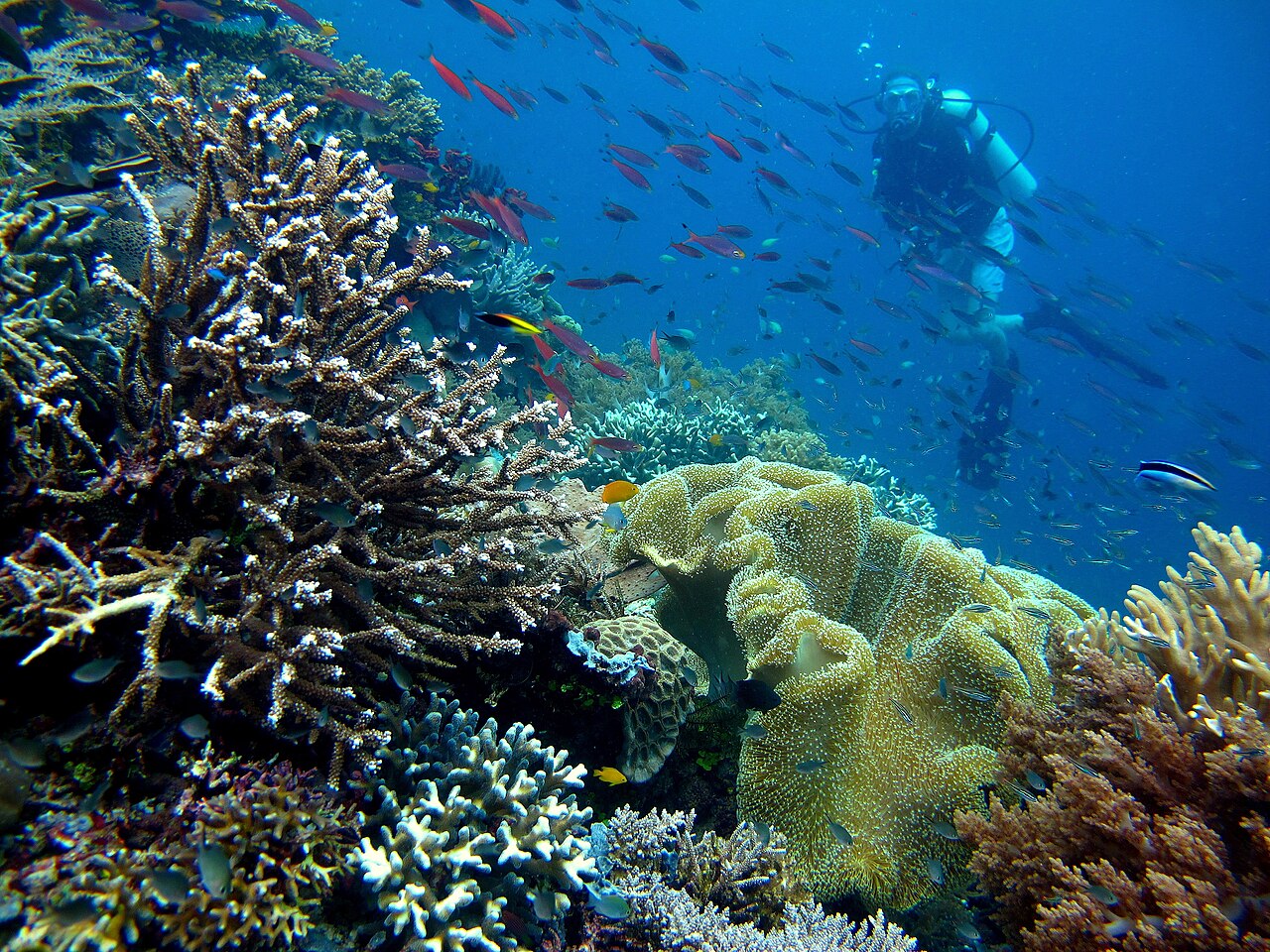
Raja Ampat: A Coral Kingdom at the Edge of the Map
Karst islands, lagoons and some of the richest reefs on the planet make Raja Ampat a dream for ocean lovers.
Ocean Adventures · 9 min read
Galápagos Islands, Ecuador
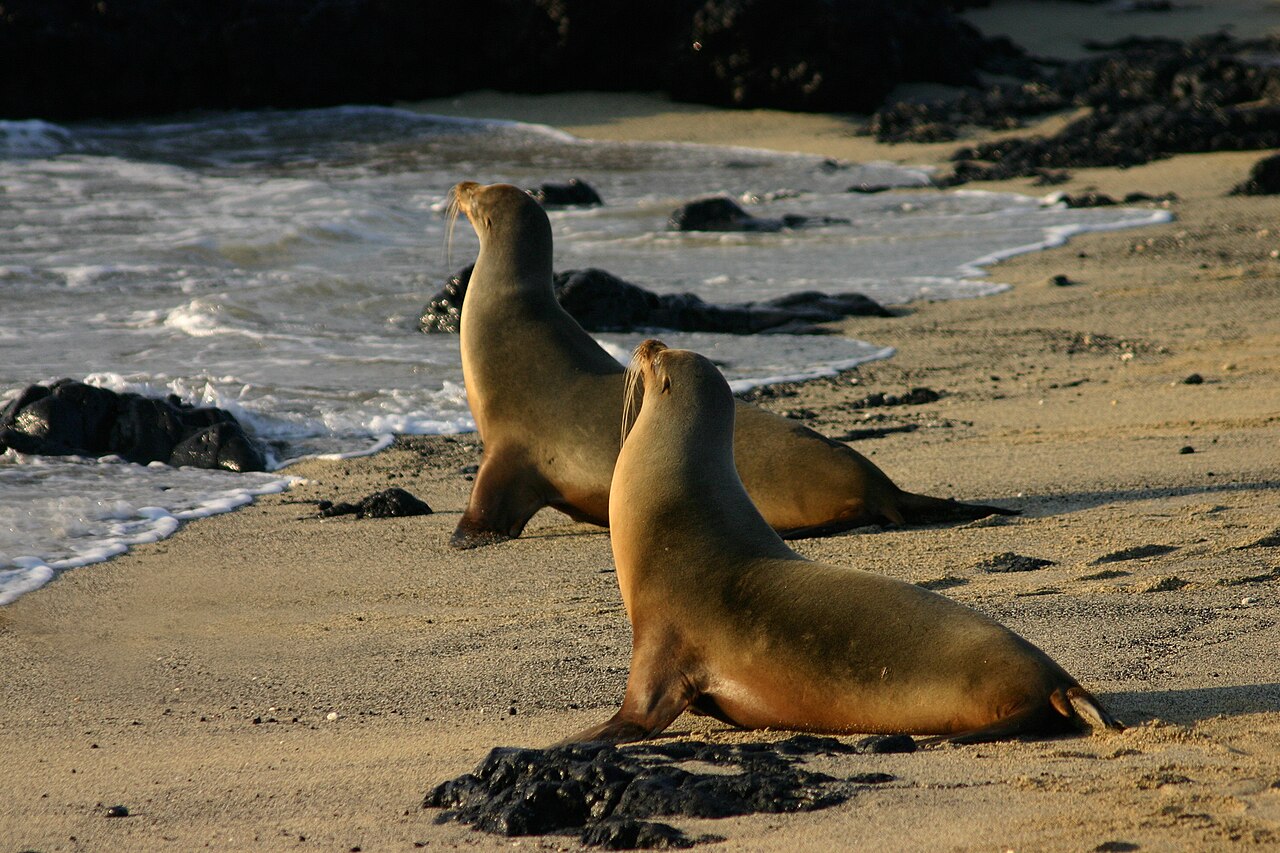
The Galápagos: Wildlife Without Fear
Sea lions, marine iguanas and curious fish make the Galápagos one of the most remarkable places to meet ocean life.
Ocean Adventures · 8 min read
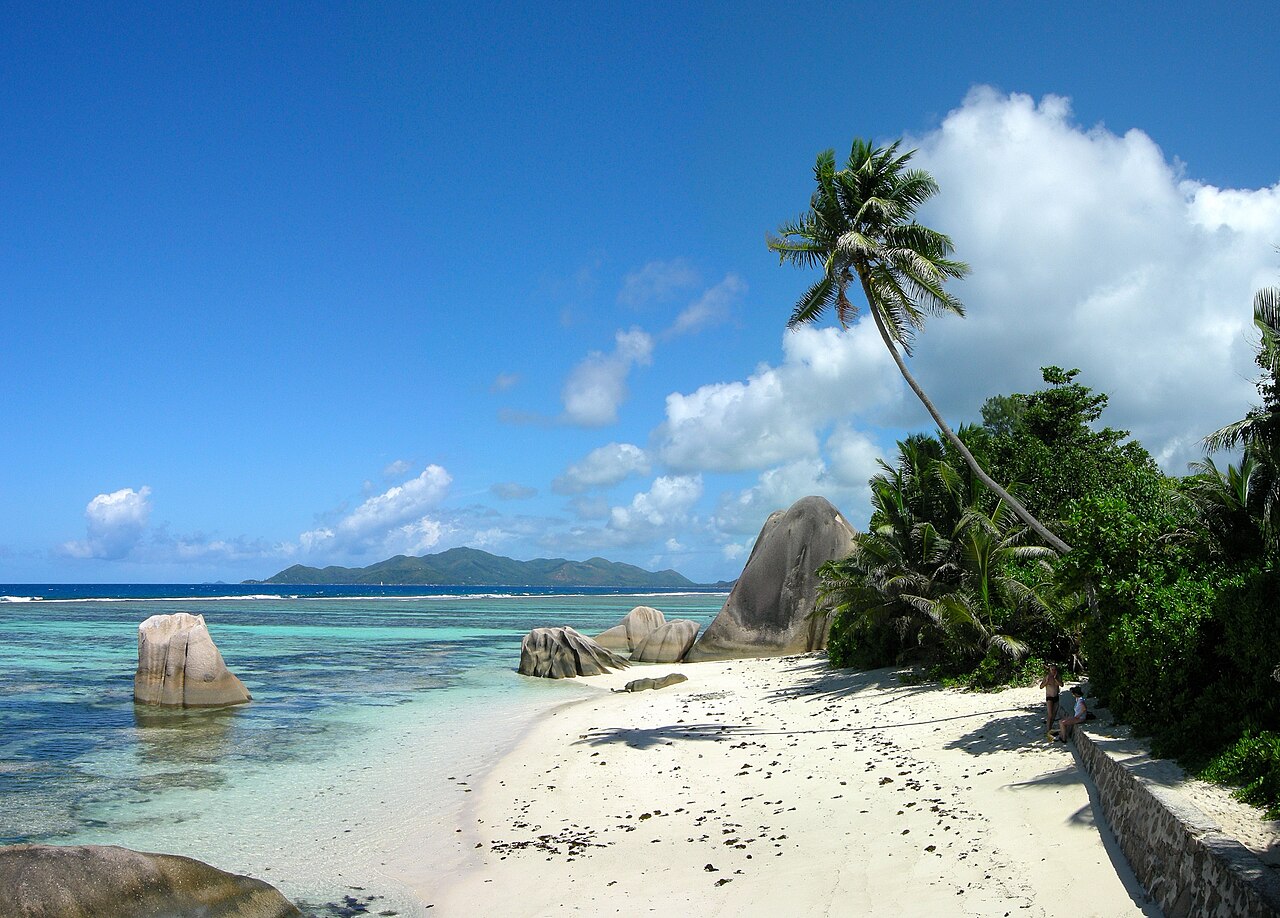
Seychelles, Indian Ocean
Seychelles: Granite Boulders and Endless Light
Ancient granite, quiet coves and forested peaks make the Seychelles feel unlike any other tropical archipelago.
Tropical Islands · 9 min read