A Two-Island Journey Through Hawaiʻi
Combining Kauaʻi with another island shows the remarkable variety of Hawaiʻi's landscapes and cultures.
Hawaiʻi, USA · 10 min read · IGANAVI Editorial Team
Published July 14, 2026 · Updated November 16, 2026
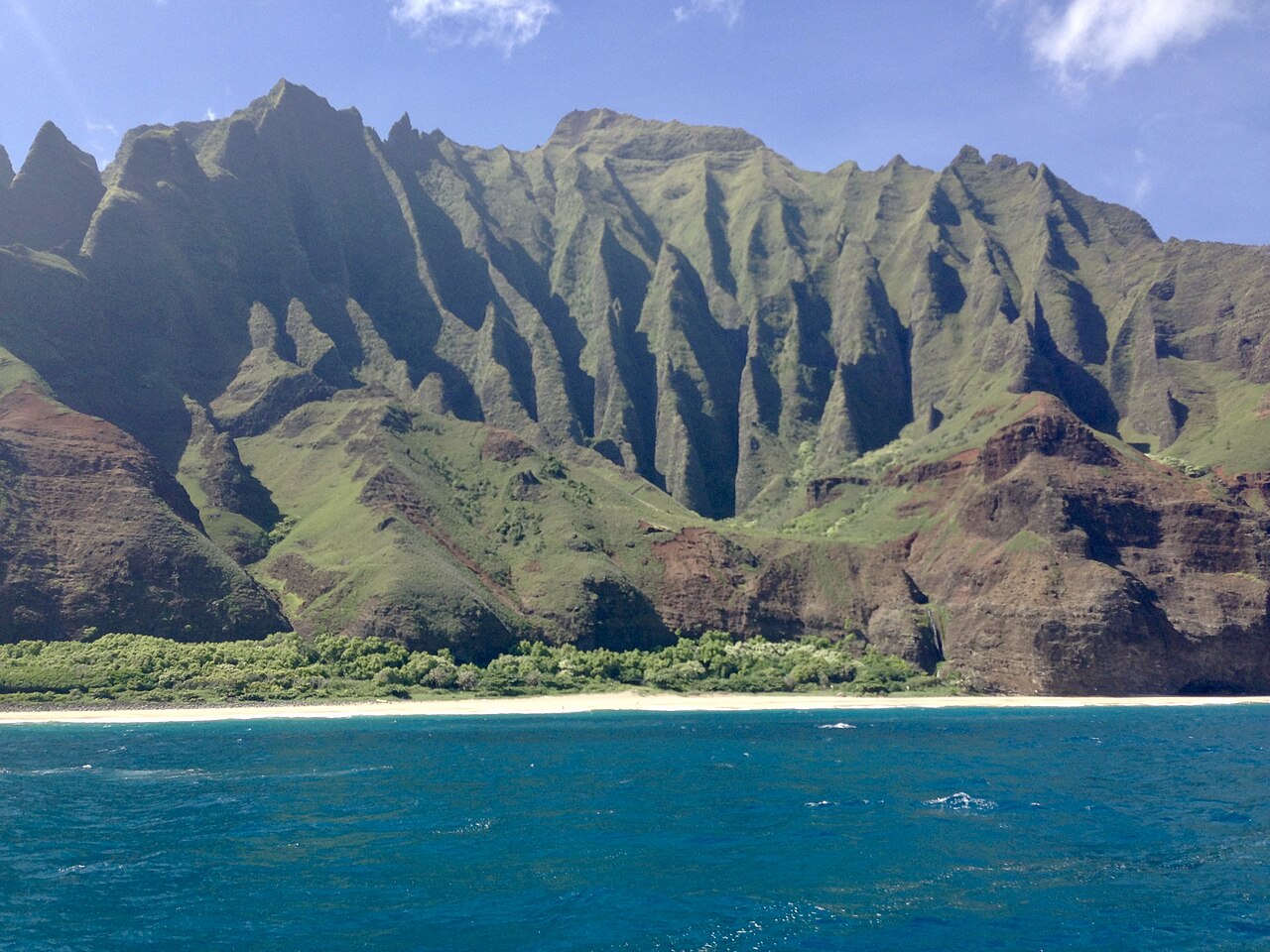
On Kauaʻi, a mountain can disappear behind rain while the coast stays bright. On Hawaiʻi Island, a road may cross dark lava before climbing into cool forest. Pair these two islands and the differences become the point of the journey, not simply a change of hotel between beaches.
Two islands are enough for a trip with real variety. They are also enough to expose the weakness of an overfilled itinerary. Airports take time, distances can be deceptive and the ocean does not adjust itself to a holiday schedule. Leave a few mornings without a major objective. You will probably use them well.
Choose a pairing, then give it room
The main Hawaiian Islands include Kauaʻi, Oʻahu, Maui, Molokaʻi, Lānaʻi and Hawaiʻi Island. Each has distinct communities, landscapes and visitor infrastructure. This journey concentrates on Kauaʻi and Hawaiʻi Island, with Maui as an alternative rather than an extra stop to squeeze into the same holiday.
Travel between Kauaʻi and Hawaiʻi Island is by air, not ferry. Check current airline schedules: some journeys may require a connection through Honolulu, and the most convenient routing can change. Compare the complete journey, including baggage rules, airport transfers and rental-car arrangements, rather than just the flight time.
If you have roughly ten days or more, dividing them between two islands can allow a satisfying pace. With a much shorter stay, one island may be the better choice. There is no prize for collecting airports when the afternoon you wanted is still on the other side of security.
Make the transfer day a light day
Treat an interisland flight as a travel day, even when the scheduled flight itself is short. Return your vehicle, allow time for airport procedures, collect luggage and reach your next base before planning anything ambitious. Avoid tying a non-refundable excursion to an arrival that could be delayed.
Check whether a multi-airport itinerary suits your trip, arriving on one island and departing from the other. This can remove an unnecessary return flight. Confirm all connections carefully, especially if tickets are separate and a delay on one booking would not protect the next.
Kauaʻi: start with the shape of the island
Kauaʻi rewards attention to geography. Its roads do not make a complete coastal circuit, and you cannot drive through the Nā Pali Coast to connect the north and west sides. Two places that look close across a map may require a long return journey around the accessible side of the island.
Choose accommodation according to the days you actually want. A north-shore base brings you closer to Hanalei and Hāʻena, while the south or east may be more convenient for other routes and services. Moving accommodation can help on a longer stay, but constant packing can erase the benefit.
Begin with a modest outing near your base. Notice the weather, find a food shop and check local beach conditions. That first afternoon need not deliver the island's defining view. Sometimes the best introduction is simply watching rain move across the ridges beyond town.
Nā Pali and the limits of a plan
The Nā Pali Coast is known for fluted cliffs and steep valleys that drop towards the sea. Boat trips offer a view from offshore, but routes depend on weather and sea state. Tell an operator about mobility concerns or seasickness before choosing a vessel, and ask what happens if the coast is not safely accessible.
A sightseeing flight provides a different perspective, not a substitute for checking an operator's safety arrangements. Clouds may obscure sections of the landscape. Neither a boat nor an aircraft can promise the clear, empty scene that appears in a brochure.
Hāʻena reservations and the Kalalau Trail
For nonresident visitors, Hāʻena State Park requires advance entry reservations, with parking or shuttle arrangements as appropriate. Check the current rules through Hawaiʻi State Parks and its official reservation partner before travelling. Simply arranging a drop-off does not remove the entry requirement.
The Kalalau Trail begins here. Walking the initial section to Hanakāpīʻai is different from continuing farther along the coast. A valid camping permit is required to continue beyond Hanakāpīʻai Valley, even if you intend to return the same day. Overnight use also requires the proper permit and compliance with current conditions.
Do not mistake a reservation for evidence that a trail is safe that morning. Mud, exposed sections and swollen streams can create serious hazards. Read closure notices, carry appropriate supplies and turn around if conditions exceed your ability. Never cross a stream in flood or assume another group's decision makes it safe.
Hanakāpīʻai Beach is not a swimming reward at the end of the walk. Dangerous surf and currents make entering the water hazardous. Keep well back from the shoreline when waves are running, and follow all posted warnings.
Waimea Canyon at a slower pace
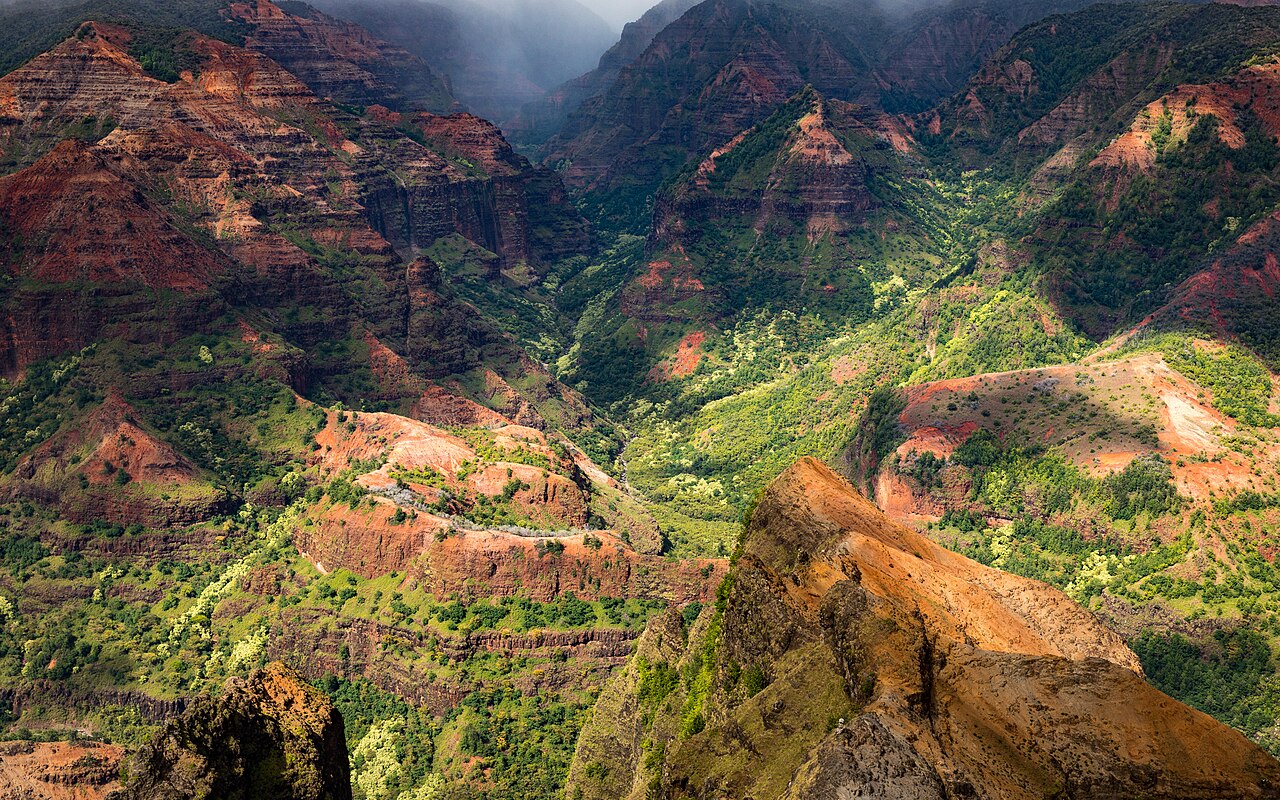
On the west side, Waimea Canyon opens into layers of red earth, vegetation and shadow. Roadside lookouts let you appreciate the scale without committing to a major hike. Cloud can transform the view quickly, covering one wall while sunlight reaches another.
Continue towards Kōkeʻe only with time for the road and changing weather. Higher elevations can feel cool and wet compared with the coast. Bring a layer, check trail information and avoid relying on a mobile signal to supply directions or safety advice once you are there.
Choose one suitable walk rather than trying to sample several viewpoints and a long trail in the same afternoon. Muddy roots and steep ground can make progress slow. On the return, leave time for the drive rather than racing sunset down an unfamiliar road.
There is alot to notice at the lookouts without stepping beyond a railing. Erosion does not always announce where solid ground ends.
Hawaiʻi Island: distance and new ground
Hawaiʻi Island is the largest in the archipelago, and its scale changes the itinerary. The Kona side, Hilo and Hawaiʻi Volcanoes National Park should not be treated as neighbouring stops. Roads cross different elevations and weather zones, making a full day of sightseeing tiring even without a long walk.
Consider dividing your stay between the west side and the Hilo or Volcano area if your time allows. That can reduce repeated long drives and give you a less hurried visit to the national park. Check practical details such as food options and evening arrival instructions before choosing a quiet rural base.
The western coast offers opportunities for beach time and water activities, but conditions vary by shore and day. Around Hilo, rain supports lush vegetation and waterfalls. Do not enter streams or pools where access is prohibited, and avoid swimming after heavy rain when flow and water quality may be dangerous.
Hawaiʻi Volcanoes National Park
Visit for the volcanic landscape, native habitats and cultural significance, not solely for the possibility of visible lava. Eruptive activity changes, sometimes rapidly. Consult the National Park Service and the USGS Hawaiian Volcano Observatory for current activity, closures and viewing guidance shortly before your visit.
Marked trails and public overlooks are the appropriate places to explore. Closed areas may contain unstable ground, volcanic gases or other hazards that are not obvious from the road. Never cross a barrier to reach a glow you have seen online.
Bring water, sturdy footwear, rain protection and a warm layer for higher elevations. Air quality can be a concern, especially for people with respiratory conditions and other vulnerable visitors. Check advisories and seek medical advice if you are uncertain how volcanic gases could affect you.
If eruption viewing is possible, expect arrangements to change with activity and congestion. Keep a torch available for permitted walks after dark and follow ranger instructions. An ordinary daylight walk through older lava can be just as memorable as a distant nighttime glow.
If Maui suits you better
Maui can replace Hawaiʻi Island in this pairing if your priorities lean towards its landscapes and communities. Haleakalā offers a high-elevation environment with cold conditions very different from the coast. Vehicle entry for sunrise requires an advance reservation under current National Park Service arrangements; check the official system and any exceptions before travelling.
The road to Hāna is a slow journey with narrow sections, bends and limited parking. Do not turn roadside communities into obstacles between photo stops. Use legal parking, respect closures and private land, and avoid a schedule that forces you to drive tired after a long day.
Check current county guidance about visitor access and recovery-related restrictions in affected parts of Maui. A business being open in one area does not establish that every nearby neighbourhood welcomes sightseeing traffic. Choose current local information over an old list of must-see stops.
Culture belongs throughout the journey
Hawaiian culture is not an optional performance between outdoor activities. Place names, fishponds, agricultural landscapes and sacred sites express relationships with land and water that long predate tourism. Make time for interpretation at parks and cultural institutions, and listen when a place has specific visiting guidance.
Keep off heiau walls and other archaeological structures. Do not remove rocks, sand or plants as souvenirs. Ask before photographing people, and remember that a public road does not make neighbouring land open for exploration.
Support locally owned businesses where practical, but approach communities as places where people live rather than as experiences owed to visitors. A respectful guest accepts that some places and practices are not theirs to enter.
Practical tips for two different islands
- Reserve interisland flights and accommodation together so that arrival airports and overnight bases make sense.
- Check Hāʻena access before building a Kauaʻi day around the Kalalau trailhead.
- Use lifeguarded beaches where possible, ask about conditions and stay out when uncertain.
- Keep clear of turtles and monk seals, following posted guidance and any larger distances directed by officials.
- Check county sunscreen rules. Mineral products and sun-protective clothing are useful choices, but a vague reef-safe label is not a guarantee.
- Clean soil and seeds from footwear between outings and follow agricultural inspection and biosecurity rules when moving between islands or leaving Hawaiʻi.
- Carry a waterproof layer for Kauaʻi and warmer clothing for elevated areas on Hawaiʻi Island.
North-facing shores often receive larger winter surf, while summer can bring significant south-shore swell. Neither season guarantees safe swimming. There isn't a single beach rule that replaces looking at conditions and listening to lifeguards that day.
Frequently asked questions
Can I take a ferry from Kauaʻi to Hawaiʻi Island?
No. Plan this pairing around an interisland flight. Limited ferry services elsewhere in the archipelago do not provide a route for this journey, and you should confirm the actual air routing before arranging transfers.
Do I need a permit just to walk part of Kalalau?
Nonresident access through Hāʻena requires the appropriate advance reservation. Continuing beyond Hanakāpīʻai Valley requires a valid camping permit, including for a day hike. Check official state park notices for closures and the precise arrangements for your visit.
Is visible lava guaranteed on Hawaiʻi Island?
No. Eruptions and safe viewing opportunities change. Plan a national park visit that is worthwhile without visible lava, then use current official information to decide whether any additional viewing is possible.
Which island should come first?
Let flight schedules, accommodation and any essential reservations decide. Kauaʻi followed by Hawaiʻi Island creates a satisfying shift from deeply eroded valleys to younger volcanic terrain, but the reverse works equally well. Keep the final days comfortable enough that the journey does not end as an airport endurance test.
Related guides
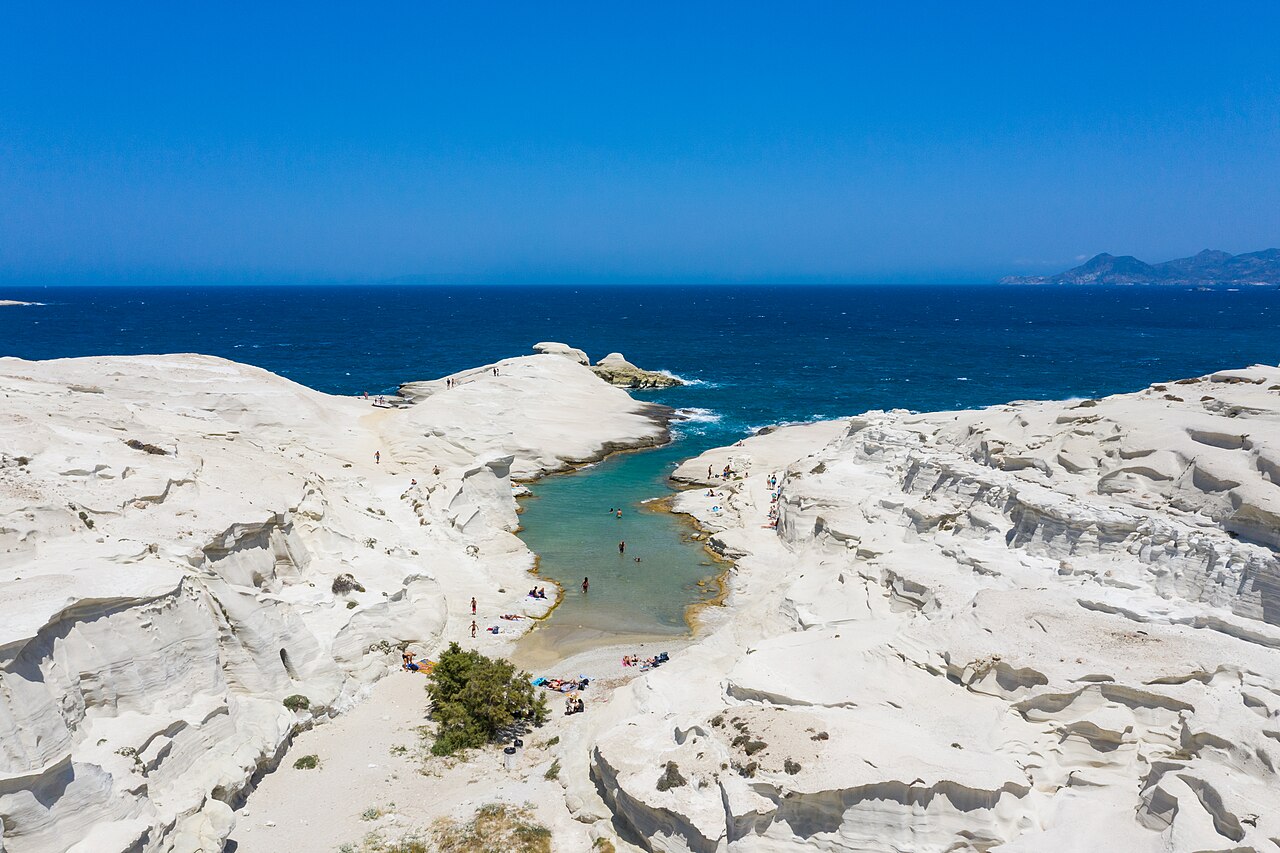
Cyclades, Greece
Island Hopping in the Cyclades
From Milos to Naxos, the Cyclades offer endless combinations of volcanic coasts, villages and Aegean light.
Island Hopping · 8 min read
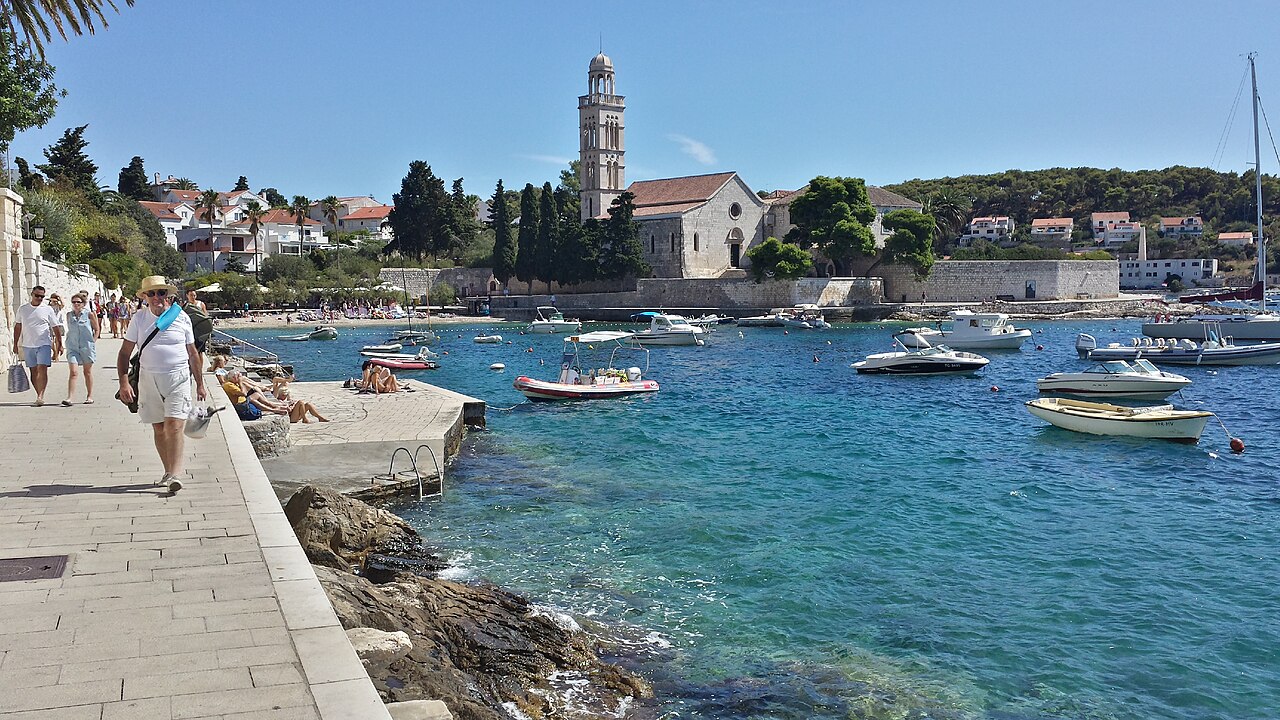
Dalmatia, Croatia
Croatia's Dalmatian Islands by Sea
Hvar, Korčula and their neighbours create one of the Mediterranean's most rewarding island routes.
Island Hopping · 8 min read
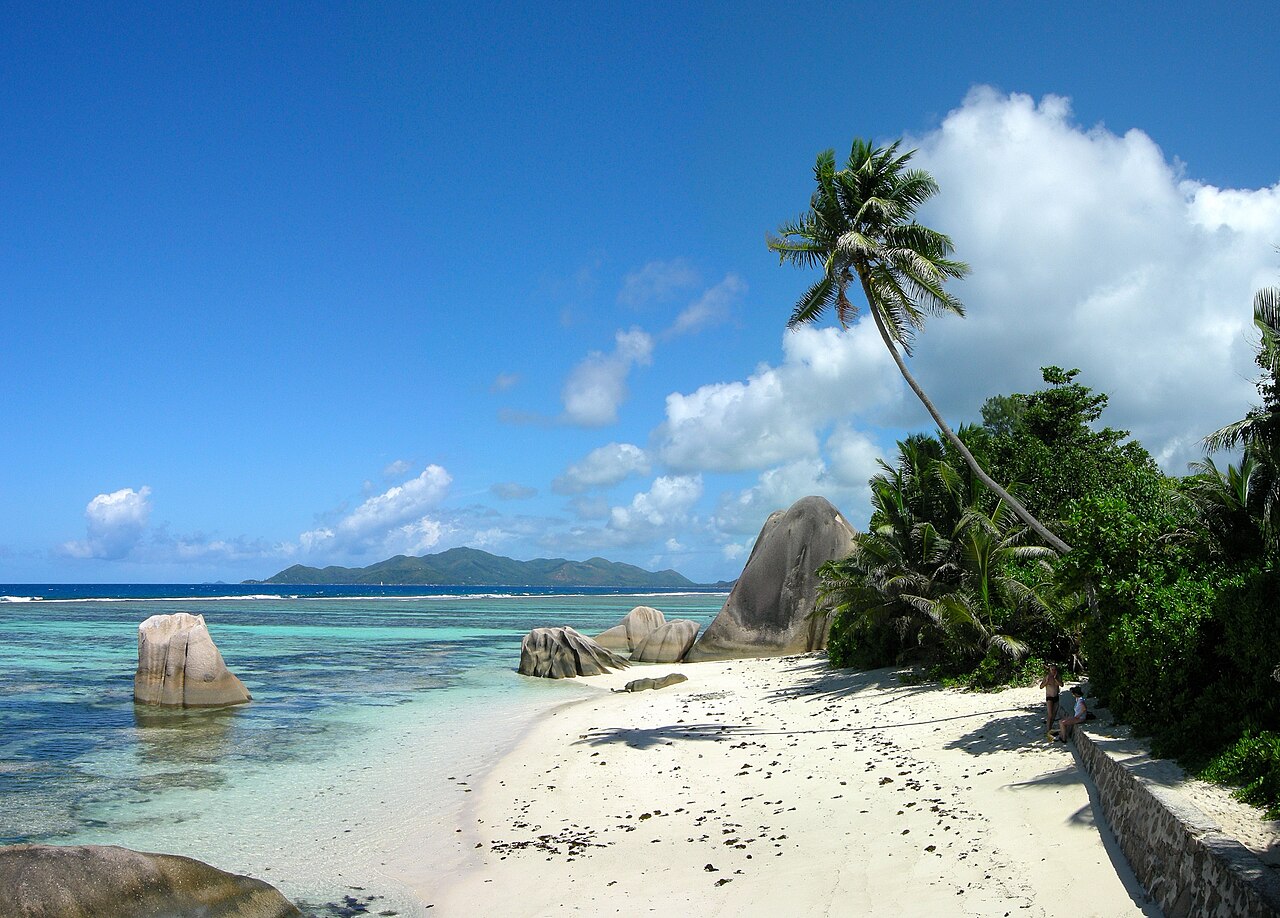
Seychelles, Indian Ocean
Seychelles: Granite Boulders and Endless Light
Ancient granite, quiet coves and forested peaks make the Seychelles feel unlike any other tropical archipelago.
Tropical Islands · 9 min read