Western Crete: Balos Lagoon and Elafonisi
Shallow lagoons, pink-tinted sand and wild headlands make western Crete a corner worth seeking out.
Crete, Greece · 8 min read · IGANAVI Editorial Team
Published July 7, 2026 · Updated November 16, 2026
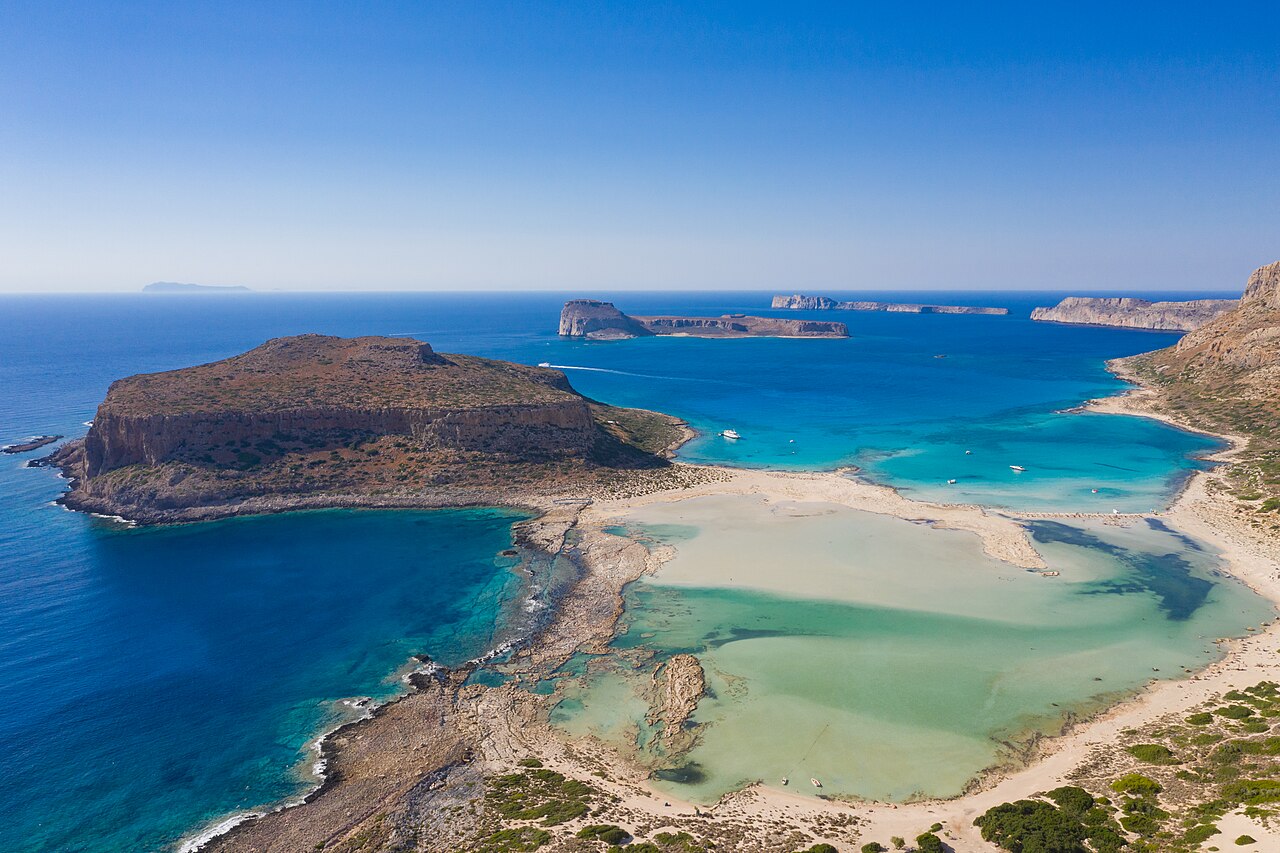
Western Crete makes distances deceptive. A beach that looks close on the map may sit beyond a mountain road, a gravel track or a long descent on foot. Balos and Elafonisi deserve that extra planning. One opens below the rocky Gramvousa peninsula in bands of blue; the other spreads across pale sand and shallow channels near Crete's southwestern corner.
Give them separate days if you can. These are not neighbouring swimming stops to squeeze between lunch and dinner. Their appeal lies partly in having time to watch the light change, and partly in the landscapes you cross to reach them. Neither is a secret, and summer crowds are very real.
Balos, seen from above and from the water
Balos lies on the Gramvousa peninsula, northwest of Kissamos. Pale sand gathers beside Cape Tigani, with sheltered shallows on one side and deeper, more exposed sea nearby. The lagoon's colours depend on depth, weather and sunlight. On a bright morning the view from the approach path can seem almost improbably clear.
That celebrated viewpoint belongs to the land approach. Arriving by boat gives a different introduction, with the peninsula rising from the sea rather than the lagoon unfolding beneath your feet. Choose your route for the whole experience, not just the photograph you want to bring home.
Taking a boat from Kissamos
Seasonal excursion boats leave from Kissamos port. Many trips combine Balos with Imeri Gramvousa, the island crowned by a Venetian fortress, while other departures may follow a different itinerary. Check the operator's current programme, departure point and return arrangements rather than assuming every sailing includes both stops.
A boat avoids the rough road and the climb back to the upper car park, but it is not automatically a step-free beach transfer. Boarding arrangements, landing facilities and the walk from the landing point can change with operating rules and conditions. Anyone with limited mobility should ask the operator specific questions before buying a ticket.
At Gramvousa, the fortress climb is optional and exposed. Wear shoes with grip if you attempt it, and leave enough time to descend comfortably before departure. On a windy day, the crossing itself may be the deciding factor. Check the marine forecast and the operator's updates, especially outside the main summer period.
Driving and walking to Balos
The land route runs through Kaliviani and continues along a rough dirt road. Loose stones, ruts and passing vehicles make this a slow journey, not an ordinary drive to a beach car park. Check your rental agreement carefully: permission to use unpaved roads and insurance cover are separate questions, and a larger vehicle does not remove contractual restrictions.
From the parking area, an uneven path descends towards the lagoon. The outward walk can feel easy because the sea is in front of you and gravity is helping. The return is uphill, often in strong sun. Keep drinking water specifically for that climb, and wear proper footwear rather than carrying everything down in beach sandals.
An entrance fee applies to the protected Balos area. Confirm the current charge and collection arrangements for your chosen approach through the municipality or your boat operator. Do not assume that a boat fare or a vehicle parking arrangement includes every local charge.
Elafonisi beyond the pink-sand photograph
Elafonisi sits at the southwestern edge of Crete, where a low islet and the mainland are separated by shallow water and shifting sand. Depending on conditions, visitors may walk or wade towards the islet. The crossing is not a promise of ankle-deep water: wind, waves and the changing seabed matter more than somebody else's holiday photograph.
The famous pink comes from tiny fragments of shells and marine organisms mixed into the sand. Sometimes it appears as a fine ribbon near the waterline; sometimes it is faint. Expect a natural beach, not a uniformly pink surface. Never collect the sand, shells or fragments, even in a small bottle.
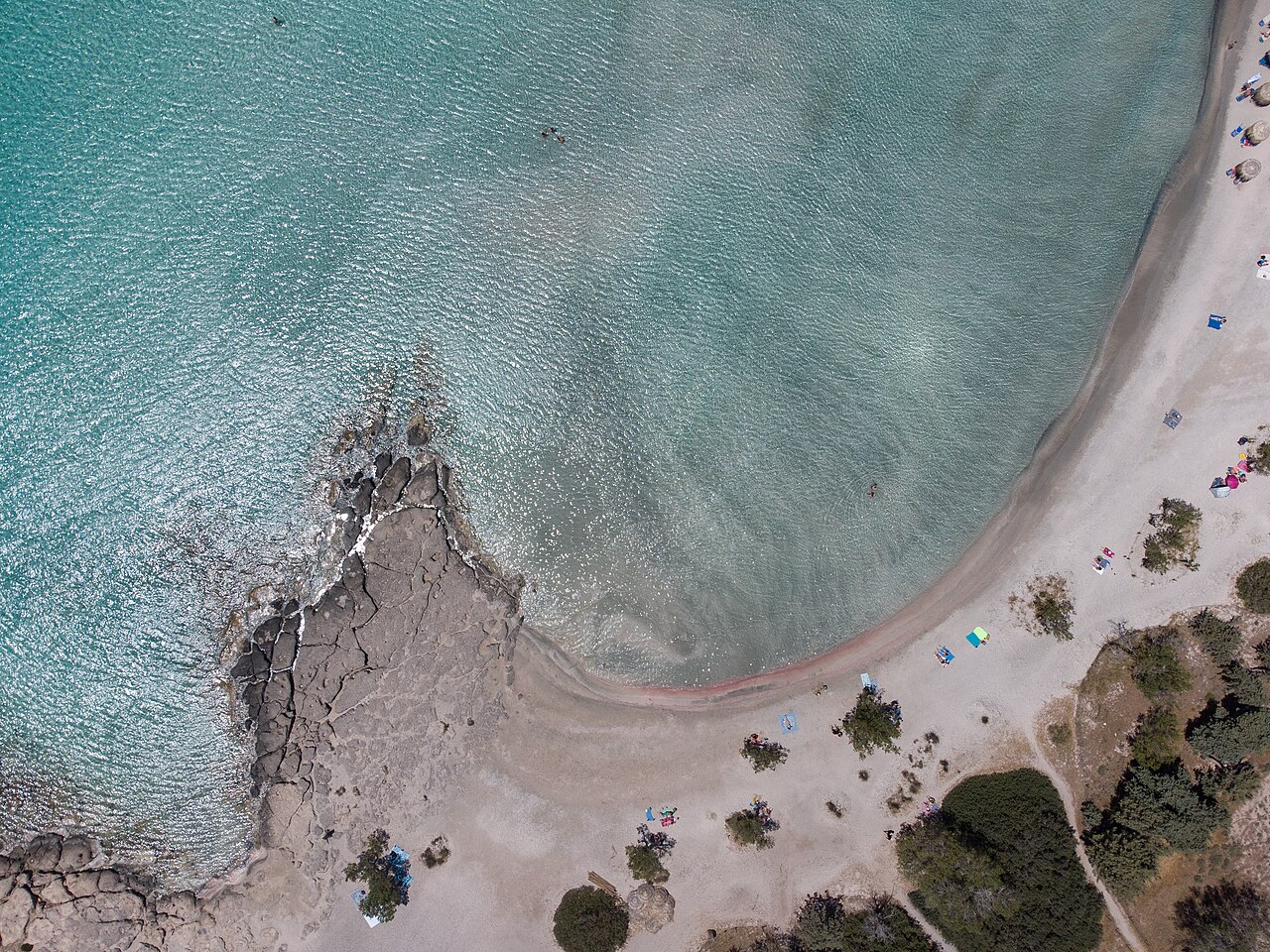
Elafonisi belongs to the Natura 2000 network. Dunes, sea lilies and other coastal plants are part of what makes it special, even when they look dry or insignificant beside the water. Keep outside fenced restoration areas, follow marked routes and avoid making a shortcut through vegetation to reach an empty patch of sand.
The mainland beach has the busiest arrival area. Walking farther along permitted routes can change the atmosphere, but it does not guarantee solitude or a serviced swimming spot. Take your rubbish back with you, including fruit peel and cigarette ends. Small litter blows into the dunes remarkably quickly.
Swimming with realistic expectations
The shallows can suit families in settled weather, but neither beach should be treated as a swimming pool. Strong wind can make even shallow water uncomfortable, and deeper sections or exposed edges carry different risks. Follow local signs, any lifeguard instructions and your own limits.
Choose a swimming place after looking at the water that day. Children need close supervision regardless of depth. If blowing sand makes everyone miserable, leaving early is a sensible decision, not a wasted visit. There is other days for a long swim.
The journey between the beaches
Balos and Elafonisi occupy different corners of western Crete. Trying to visit both properly in one day leaves little margin for slow roads, boat schedules or simply sitting still. A better plan is one beach day based around Kissamos and another for the southwest, with a village meal or short stop on each journey.
The roads towards Elafonisi pass through mountain country, with bends, narrow sections and places where you must slow for oncoming traffic. Navigation estimates cannot account for every coach, roadside stop or nervous driver. Avoid building your return around a tight dinner reservation in a distant town.
Falasarna offers another west-coast beach day, with a broad sweep of sand and open western light. It is not necessarily calm when the wind is up, nor is it an undiscovered alternative. Treat it as a place with its own character rather than a consolation prize when Balos feels complicated.
Inland, allow time for a modest lunch. Dakos, with barley rusk, tomato and cheese, is well suited to a warm afternoon. Ask what is available rather than expecting every small taverna to serve a long menu throughout the day. A short village stop can be more enjoyable than adding another ambitious detour.
Choosing your season and your base
May, June and September often offer a useful balance of warmth and less intense demand than July and August. They are not a guarantee of empty beaches. Spring sea temperatures can feel cool, autumn weather can interrupt boat trips, and a windy day can arrive in any month.
In high summer, plan around heat as much as crowds. An early start helps with the land approach to Balos, but only if you can also manage the return climb safely. At Elafonisi, later afternoon may feel less crowded, although you still need enough daylight for the drive back.
Kissamos is practical for Balos departures and the northwest. Chania offers more urban variety but adds road time to remote beaches. Staying nearer the southwest can make Elafonisi less of an expedition. Before choosing accommodation, compare actual routes rather than straight-line distances across the island.
Practical tips for these two beaches
- Check current boat schedules, weather cancellations and landing arrangements directly with the operating company.
- Confirm the Balos protected-area entrance fee and whether it is collected separately from your transport ticket.
- Ask your car hire company explicitly about the Balos dirt road and insurance exclusions before setting off.
- Carry enough drinking water for the beach and the return walk, plus food if you cannot rely on seasonal facilities.
- Bring a hat, sunscreen and manageable shade, but do not force an umbrella into protected vegetation or leave it unsecured in wind.
- At Elafonisi, use designated parking and follow the current pedestrian approach rather than driving towards the sand.
- Keep sand, shells and plants where they belong, and take every piece of litter away.
A waterproof pouch is useful on boat days, and a light spare layer helps after a breezy crossing. Pack the bag the night before; its suprising how much harder small decisions feel when you are already late for the port.
Questions before you go
Can I visit Balos and Elafonisi in one day?
It may be physically possible with a demanding road itinerary, but it is a poor choice for most visitors. Boat timings, the dirt-road approach and the mountain drive leave little room to enjoy either beach. Split them across two days whenever possible.
Is the Balos boat better than driving?
The boat removes the dirt-road problem and usually avoids the steep return climb from the lagoon. Driving offers more control over timing and the elevated view, but requires suitable permission from your rental company and confidence on rough roads. Neither option guarantees easy access for every traveller.
Can I take a little pink sand from Elafonisi?
No. Leave pink sand, shells and natural material in place. Elafonisi is a protected habitat, not a source of souvenirs. A photograph preserves the memory without gradually removing the feature that brought people here.
What should I check again for a 2026 visit?
Check official local notices for access, parking and protected-area rules, then confirm transport details with the actual provider. Fees, seasonal departures and landing arrangements can change. The landscape is the reason to go, but a little current information determines how comfortably you reach it.
Related guides
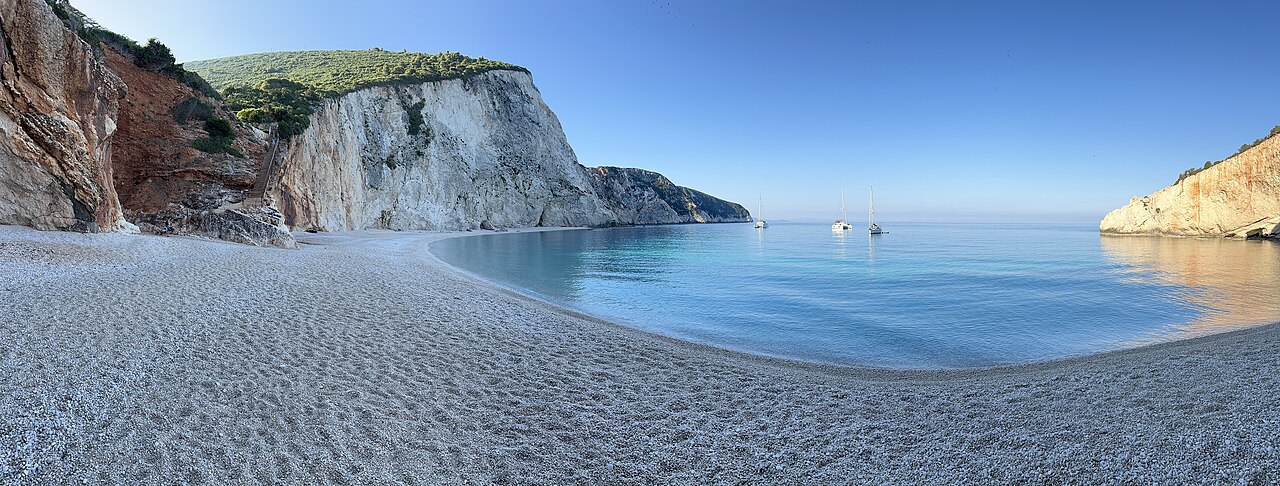
Lefkada and Kefalonia, Greece
The Cliff Beaches of the Ionian Islands
Lefkada and Kefalonia hide pale beaches beneath white cliffs, where the sea glows an almost unreal blue.
Secret Beaches · 8 min read
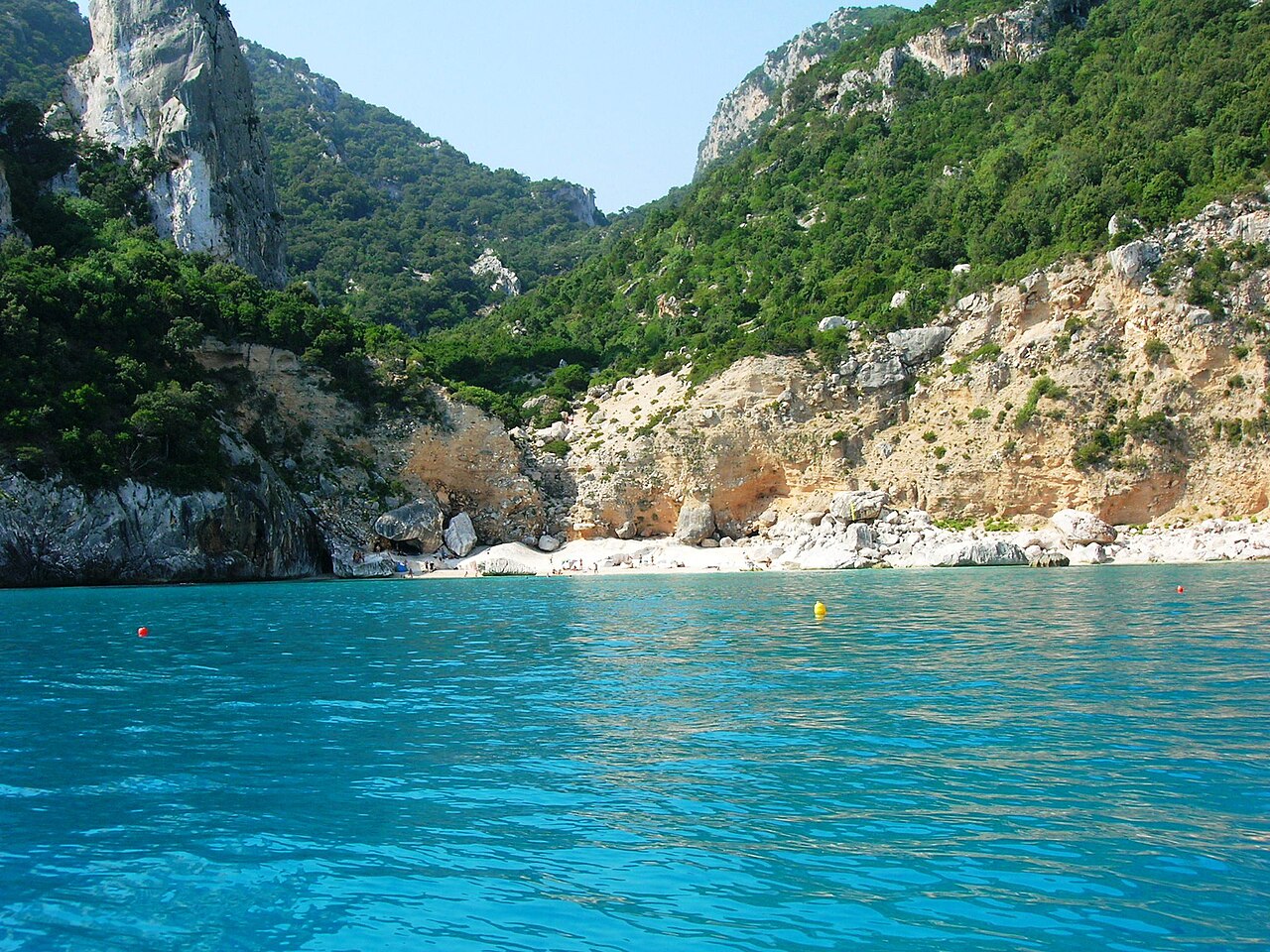
Sardinia, Italy
Sardinia's Gulf of Orosei: Coves at the End of the Trail
Limestone spires, hidden coves and turquoise water reached only by boat or a long hike on Sardinia's east coast.
Secret Beaches · 9 min read
Fiji, South Pacific
Fiji's Island Chains: The Yasawas and Mamanucas
Two island groups off Viti Levu offer reef-fringed beaches, village warmth and easy access by boat.
Tropical Islands · 8 min read