Village Life in the Azores
Black stone churches, crater lakes and coastal villages on São Miguel reveal the Atlantic soul of the Azores.
São Miguel, Azores, Portugal · 8 min read · IGANAVI Editorial Team
Published May 28, 2026 · Updated November 16, 2026
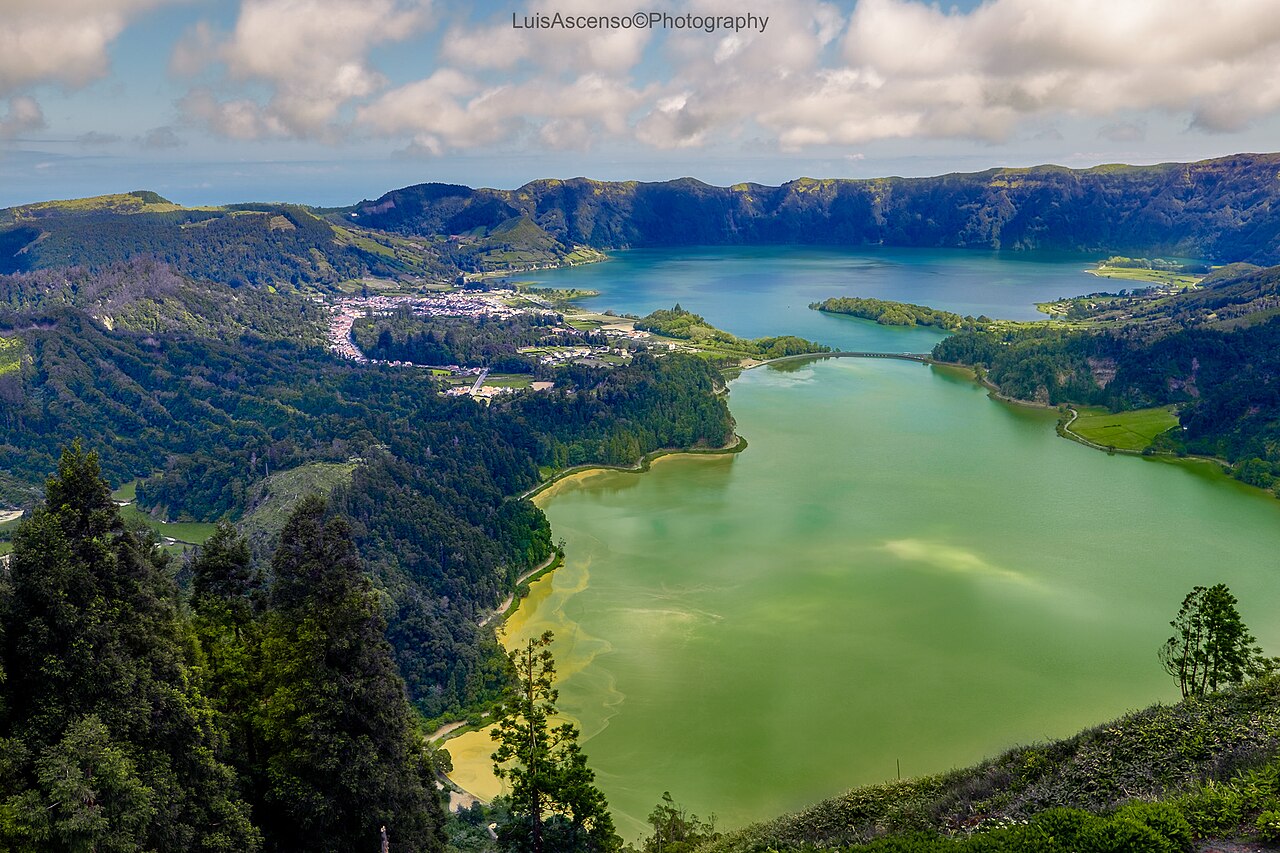
In a São Miguel village, the Atlantic is rarely far from the conversation. You see it beyond a church square, hear it below a lava headland and notice its weather arriving across the fields. White plaster and dark basalt give many settlements a family resemblance, but each has its own relationship with the coast, the crater or the land around it.
São Miguel is the largest of the Azores, Portugal's nine-island Atlantic archipelago. It is a rewarding starting point for village travel because the distances allow you to connect very different landscapes without changing islands. The best days still leave room to stop. A bakery, a harbour wall or an unexpectedly clear view can become the part you remember.
Start with one island
Most visitors arrive at Ponta Delgada airport. Ponta Delgada itself is a useful base, with restaurants, shops and transport connections, but staying there does not mean spending every day in the city. The western crater of Sete Cidades, the north coast and the eastern thermal valley of Furnas each deserve their own outing.
Alternatively, split your nights between the west or centre and the east. This reduces repeated driving and gives you village mornings before day visitors arrive. Be realistic about narrow roads and frequent stops: a route that looks compact on a map may occupy most of a day once you begin walking.
For a first trip focused on São Miguel, adding several other islands can dilute the experience. Each transfer has practical costs in time, and Atlantic weather can disrupt even well-made plans. Better to know a few places beyond their viewpoints than collect islands from airport windows.
Sete Cidades from the rim to the lakeshore
Sete Cidades sits within a volcanic caldera in western São Miguel. Its connected lakes are often described as blue and green, although their appearance changes with cloud, light and viewpoint. The familiar legend of a princess and a shepherd gives the landscape a romantic explanation; geology tells a different, equally absorbing story.
Vista do Rei is among the best-known viewpoints. Visit when the crater is visible, rather than saving it rigidly for a particular afternoon. If cloud closes in, do not assume that waiting beside the road will solve the problem. A coastal walk may be a better use of the morning, with a return to the heights when conditions improve.
Make time for the village
Descending to the settlement changes the scale of the place. The broad panorama becomes gardens, a church, quiet streets and water close enough to touch. Walk a manageable lakeside section, pause for a drink and watch how quickly the light shifts across the slopes.
Choose marked routes suited to your fitness and the day's conditions. Caldera-rim walks can involve exposure, mud and poor visibility; a gentle-looking lakeshore is not a reliable guide to conditions higher up. Follow official trail notices, and never cross a barrier simply because a viewpoint appears close.
Mosteiros and the working coast
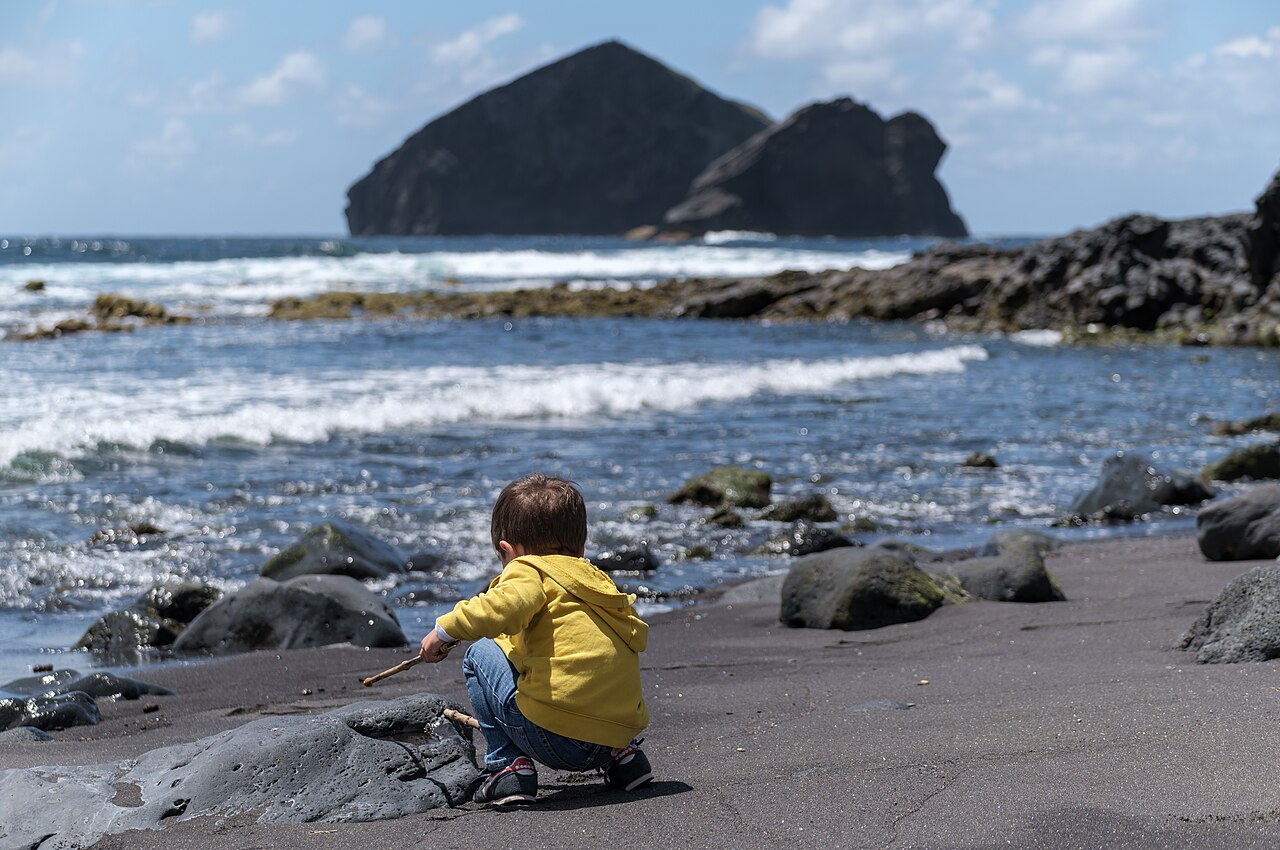
Mosteiros faces the ocean on São Miguel's northwest coast. Offshore rock formations rise beyond dark sand and lava, giving the village a distinctive silhouette. Sunset can be beautiful here, but the place is worth visiting without a golden sky. On a grey day, the black rock and moving water are compelling enough.
Natural lava pools are not automatically safe swimming pools. Swell, tide and waves overtopping the rock can make a sheltered-looking spot dangerous. Use designated bathing areas only when conditions permit, follow signs and lifeguard advice where present, and stay out if uncertain. Watching the water from dry ground is a perfectly good afternoon.
Along the north coast, fishing settlements and agricultural land sit close together. Rabo de Peixe has a strong fishing identity, while Ribeira Grande offers a larger historic centre with churches and streets worth exploring on foot. Treat harbours as workplaces: keep clear of equipment and vehicle movements, and ask before taking close photographs of people.
Furnas, where the ground cooks lunch
Furnas occupies a green volcanic valley in eastern São Miguel, with geothermal activity visible in steaming vents and hot springs. The smell of sulphur makes the geology difficult to ignore. Stay on designated paths and respect fencing around thermal ground; apparently solid surfaces and attractive streams can conceal serious heat.
Cozido das Furnas connects the village table directly to that heat. Pots containing meat and vegetables are lowered into prepared holes in the hot ground near Lagoa das Furnas and left to cook slowly. Restaurants serving it often need advance notice. Ask about serving times and reservations rather than arriving late and assuming a portion will be waiting.
Gardens and thermal bathing
Terra Nostra Park combines a landscaped garden with an iron-rich thermal pool. The water can stain fabric, so bring swimwear you do not mind discolouring and follow the site's current washing and bathing instructions. Opening hours, access arrangements and maintenance closures should be checked directly before travelling.
Other thermal facilities have their own booking systems, age restrictions and health advice. Anyone who is pregnant or has a relevant medical condition should seek appropriate medical guidance before hot-water bathing. A garden walk alone is reason enough to spend time in Furnas; the experience need not revolve entirely around entering a pool.
Tea fields and everyday traditions
Tea cultivation is an unusual feature of São Miguel's north coast. At established plantations such as Gorreana, rows of low bushes contour the hills above the sea. Visitor access, factory activity and available demonstrations vary, so check current arrangements if production is the main reason for your visit. The fields themselves show how an agricultural crop can define a landscape.
Village traditions are not staged daily for travellers. Religious celebrations, including Holy Spirit festivities, follow local calendars, with many taking place in spring and summer. If your visit coincides with a procession or community meal, ask how visitors can participate respectfully. Do not assume that every decorated doorway or gathering is an invitation to enter.
For ordinary meals, look beyond a checklist of regional specialities. Fish availability changes with conditions, and a simple soup or bakery stop can fit a walking day better than a long lunch. Theres pleasure in returning to the same cafe and recognising the rhythm of its morning trade.
Weather sets the pace
The Azores have a mild maritime climate, not dependable beach weather. Rain and low cloud are possible throughout the year, and different parts of São Miguel can experience different conditions at the same time. Late spring through early autumn generally brings warmer days and longer daylight, while winter can bring stronger Atlantic weather and fewer visitors.
Hydrangea displays depend on season and location; do not expect the same roadside colour year-round. The island remains green beyond summer, but lushness comes with moisture. Carry a waterproof layer even when leaving under blue sky.
Check official forecasts, regional civil protection alerts and local webcams before heading to high viewpoints. Build a loose pair of options each day: a crater walk for clear conditions, perhaps a village or garden visit if the cloud stays low. That is more useful than trying to force every stop into a fixed order.
Getting around and travelling between islands
A rental car offers flexibility for smaller villages, but book through a reputable provider and review insurance, fuel and licence requirements. Park only where permitted, keep farm entrances clear and drive cautiously around bends. Rural buses exist, although their timetables may not suit a sequence of short sightseeing stops. Guided excursions or taxis can work well if you prefer not to drive.
For travel beyond São Miguel, distinguish between the airlines in the SATA group. SATA Air Açores operates the interisland air network, while Azores Airlines mainly links the archipelago with destinations outside it. Check the operating carrier, baggage allowance and current schedules when arranging connections.
Atlânticoline operates ferry services whose routes and frequency vary by island group and season. Do not assume a convenient ferry links São Miguel to every other island, or that a summer route operates in winter. Consult the operator's current timetable before building a route around a crossing, and leave a buffer before an international flight.
Practical tips for village days
- Download an offline map, but use official trail information for hiking rather than following any path shown on a phone.
- Carry shoes with grip, a rain layer and a dry change if thermal bathing is planned.
- Check restaurant opening days in smaller settlements, especially outside the busiest season.
- Keep gates as you found them and never enter a pasture merely to photograph cattle or a view.
- Carry some cash for small purchases while using established payment facilities where available.
- Avoid tightly packed airport-day excursions; fog and slow roads can upset an optimistic schedule.
A spare hour is useful here. The little detours is often what gives a village day its character, whether that means a sheltered harbour or a church square after the rain.
Questions before you go
Do I need to stay in a village rather than Ponta Delgada?
No. Ponta Delgada is a practical base for day trips. A village stay suits travellers who value quieter evenings and fewer repeated drives, but check nearby dining and transport before choosing somewhere remote.
Can I see Sete Cidades and Furnas in one day?
It is possible to drive between them, but combining both leaves limited time for walking, gardens or a relaxed meal. Separate days give you better chances of adapting to cloud and enjoying each place beyond its headline sight.
Are the hot springs free to enter?
Access depends on the site. Established bathing facilities may charge admission and require advance reservations, while viewing geothermal features has separate local arrangements. Check official venue information rather than assuming all hot water is publicly accessible.
Is ferry travel the easiest way to add another island?
Not necessarily. Ferries are especially useful on certain shorter links, but availability is route-specific and seasonal. From São Miguel, an interisland flight may be the practical option. Compare actual operating schedules before deciding.
Related guides
Santorini, Greece
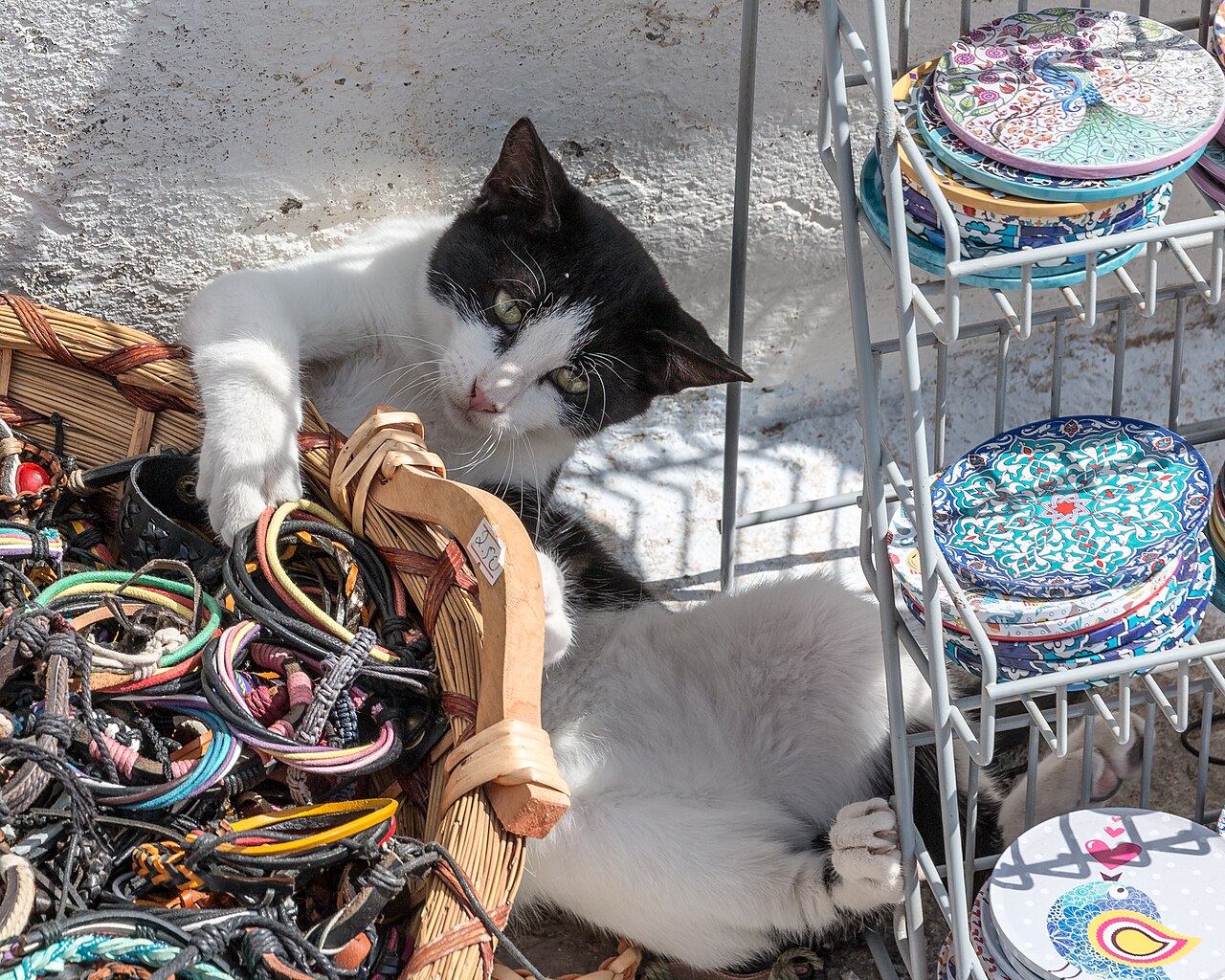
Santorini's Villages Beyond Oia
Hilltop Pyrgos, cliffside Imerovigli and the wine villages of the south reveal a quieter side of Santorini.
Island Villages · 9 min read
Venetian Lagoon, Italy
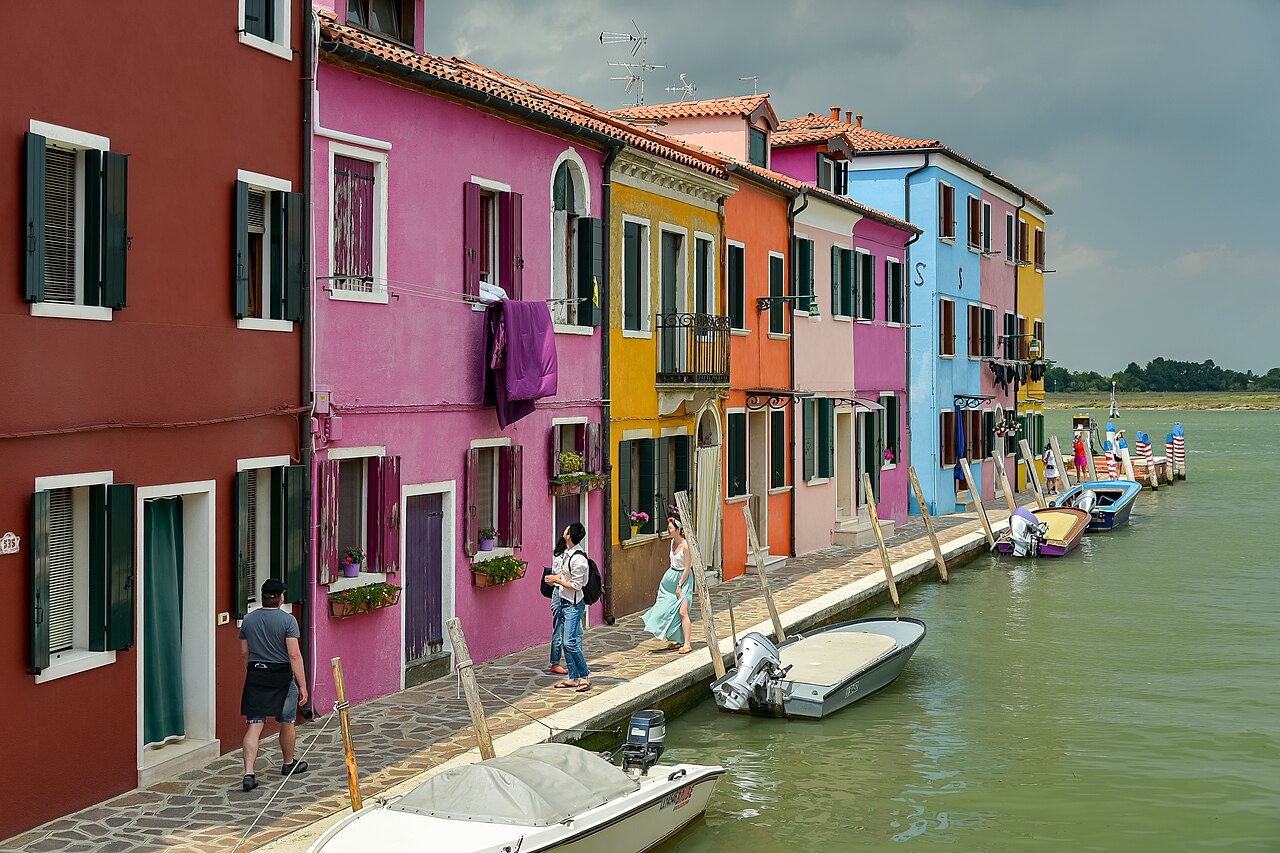
Burano: The Island of Colour in the Venetian Lagoon
Bright houses, quiet canals and a lace-making heritage make Burano one of the lagoon's most charming villages.
Island Villages · 8 min read
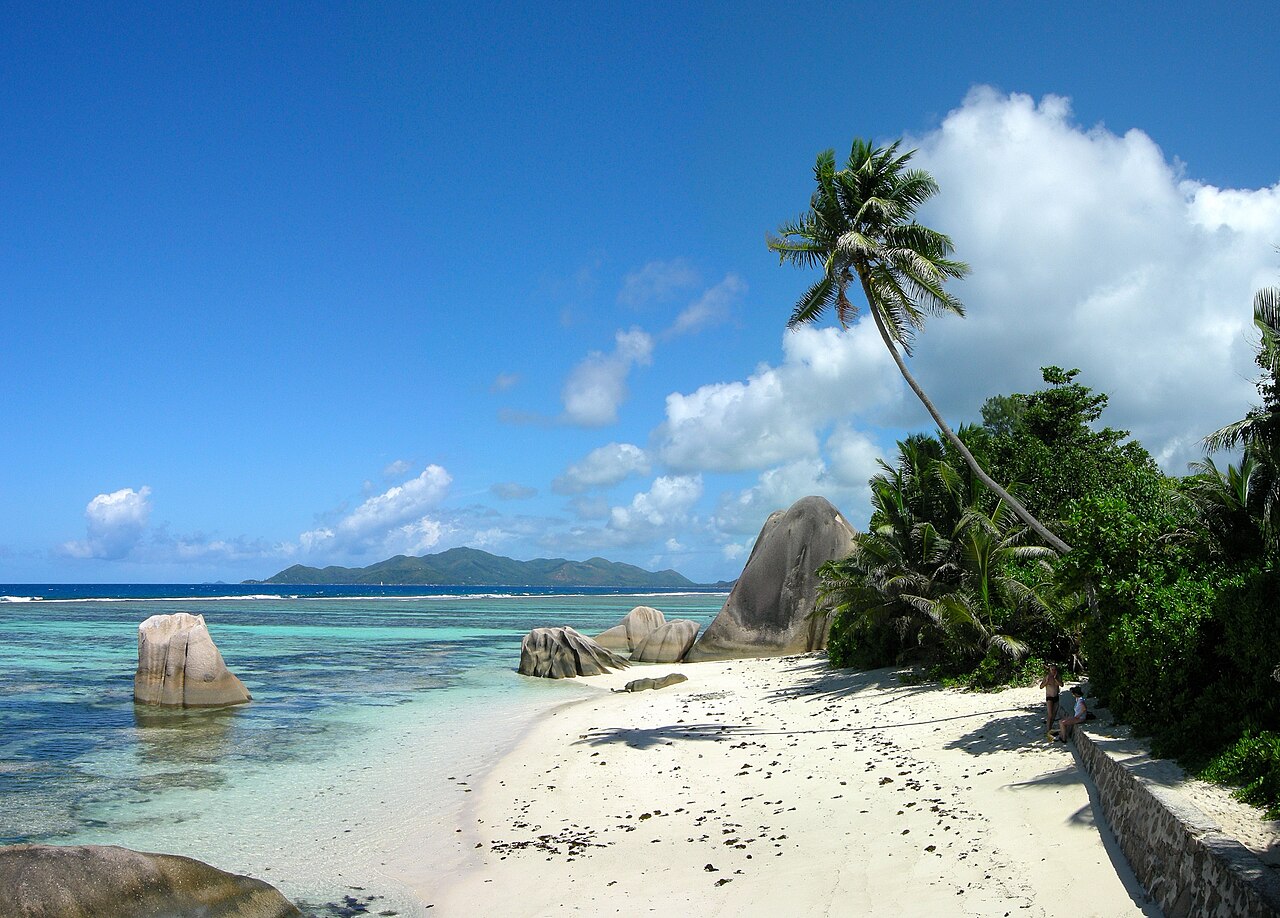
Seychelles, Indian Ocean
Seychelles: Granite Boulders and Endless Light
Ancient granite, quiet coves and forested peaks make the Seychelles feel unlike any other tropical archipelago.
Tropical Islands · 9 min read